Discover high-efficiency systems designed to withstand altitude-induced thermal variations and guarantee operational continuity in Lesotho's industrial sectors.
Lesotho, geographically defined by its rugged highlands and landlocked status within South Africa, faces a highly specific set of energy transition opportunities and infrastructure challenges. Known as the "Kingdom in the Sky," Lesotho's average altitude exceeds 1,400 meters above sea level, reaching up to 3,000 meters in the Maloti mountains. This altitudinal setting dramatically shapes the thermodynamic and physical behaviors of chemical battery systems. Industrial operations in Lesotho, spanning diamond mining (such as the Letšeng and Kao mines), textile manufacturing hubs in Maseru and Maputsoe, and remote off-grid clinics, require reliable localized energy storage to combat grid instability, load shedding dependencies on South Africa's Eskom grid, and high peak-demand tariffs.
As the Lesotho Electricity Company (LEC) accelerates efforts to connect rural populations and diversify generation sources away from hydro-dependency (like Muela Hydropower Station) towards hybrid solar photovoltaics (PV), Industrial Battery Energy Storage Systems (BESS) emerge as the key technology. Whether it is microgrid deployments for high-altitude eco-tourism, critical backup power for Maseru’s commercial offices, or motive power for industrial forklift fleets in textile warehouses, choosing a seasoned manufacturing partner with tailored technology is essential.
By buffering supply fluctuations from the Southern African Power Pool (SAPP), industrial batteries protect Lesotho's manufacturing industries from severe voltage drops and unplanned downtime.
Lesotho's sub-zero winter temperatures in the highlands require smart thermal management systems (BMS) and chemistry variations designed for extreme ranges (-20°C to 60°C).
Thin air at altitudes above 2000 meters reduces convective cooling efficiency. Our customized cooling configurations prevent heat build-up and maintain performance standards.
Deploying battery technology in high-altitude, cold climates requires a deep understanding of electrochemical properties. We specialize in configuring optimal technical pathways:
| Battery Chemistry | Optimal Application Scenario in Lesotho | Temperature Tolerance | Life Cycles | Key Technical Benefits |
|---|---|---|---|---|
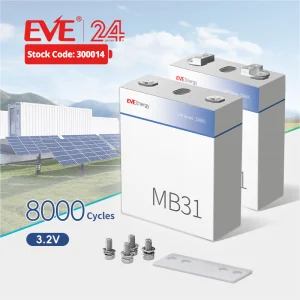
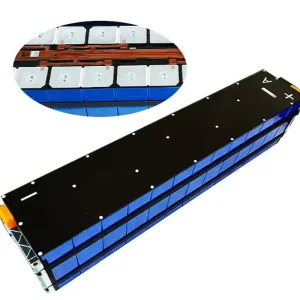
| Lithium Iron Phosphate (LiFePO4) | Maseru Commercial Solar BESS, Telecom towers, Mining backup | -15°C to 55°C (Requires heater at sub-zero) | 6,000 - 8,000 @ 80% DoD | Highest thermal safety, long cycle life, high round-trip efficiency (95%). |
| Sodium-Ion (Na-Ion) | Highland off-grid remote mini-grids, sub-zero telecom backups | -40°C to 60°C (No active heating required) | 3,000 - 4,500 @ 80% DoD | Superior cold-temperature capacity retention, raw material abundance, low cost. |
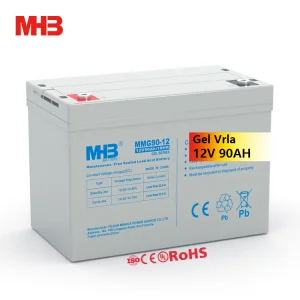
| Lead Acid / Gel (VRLA) | Standard UPS emergency lighting, low-investment standby grids | -10°C to 45°C | 800 - 1,500 @ 50% DoD | Low initial Capex, ease of replacement locally, stable technology. |
| Nickel-Cadmium (Ni-Cd) | Industrial heavy machinery, sub-zero outdoor harsh environments | -45°C to 60°C | Over 20 years shelf-life | Extremely rugged, impervious to deep discharges and extreme temperature swings. |
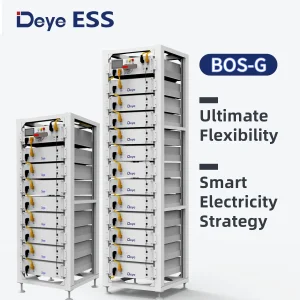
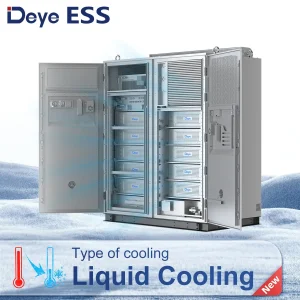
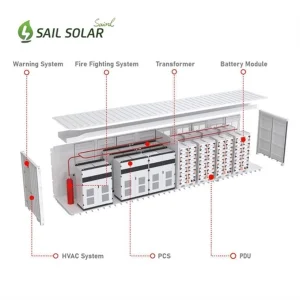
At high altitudes (above 2,000 meters), the atmospheric pressure drop reduces the air density. This impacts typical cooling systems, as thin air has a lower heat capacity. If standard consumer batteries are placed into industrial environments in Lesotho without proper engineering, they will experience accelerated aging due to poor thermal dissipation. Our systems leverage advanced liquid-cooling architectures or forced air cooling with derating compensation to combat this. For extreme elevations, like the Mokhotlong region, we recommend liquid-cooled battery systems such as the Deye Ess Mc-L430-Bc-2 Liquid Cooling 430kwh Storage Cabinet, which maintains uniform cell temperatures even under high charge/discharge stress.
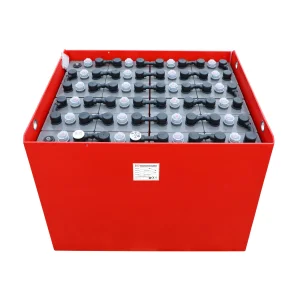
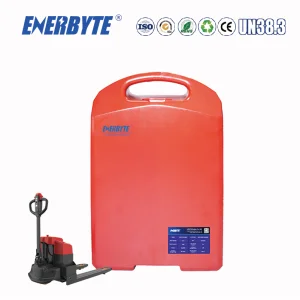
Industrial operations in Lesotho’s manufacturing sectors rely on rugged motive power. Moving from old lead-acid traction cells to LiFePO4 battery packs on Linde and Heli forklifts yields significant operational gains. Our specialized lithium forklift batteries incorporate integrated BMS heating circuits, enabling immediate fast-charging in cold storage environments without the performance degradation typically associated with traditional lead-acid systems.
Fujian SK Battery Co., Ltd. was established in 2021 and is located in Fujian, the center of China's new energy industry. Benefiting from convenient transportation and the comprehensive supply chain resources.
We specialize in Ni-MH batteries, Ni-Cd batteries, lithium iron phosphate batteries, ternary lithium batteries, and sodium-ion batteries, providing battery solutions for emergency lighting, solar lights, wireless communication, and smart home systems. With deep expertise in battery application scenarios, we focus on solving core problems customers encounter during usage, offering professional technical support and services, as well as customized battery solutions to help clients achieve higher efficiency and greater value.
By bridging the gap between direct factory production and international engineering compliance, Fujian SK Battery designs BESS projects according to international standards (UN38.3, CE, IEC62619, UL9540A). For imports to Lesotho, we guarantee seamless logistics through established channels via Durban Port into Maseru or Maputsoe, ensuring simple customs clearance and minimal transit delays.
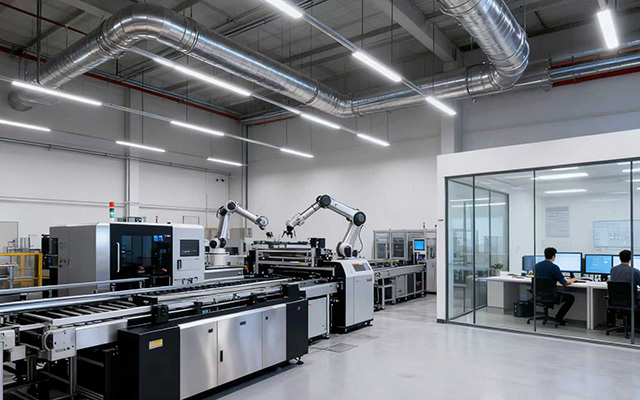
Explore our complete range of specialized industrial, commercial, and motive power systems, optimized for deployment in Lesotho's unique operating environments.
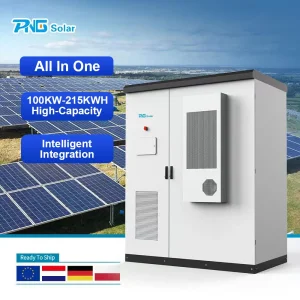
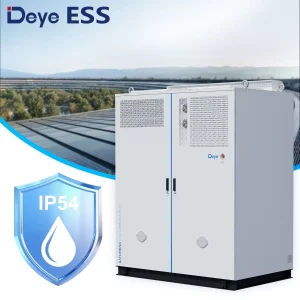
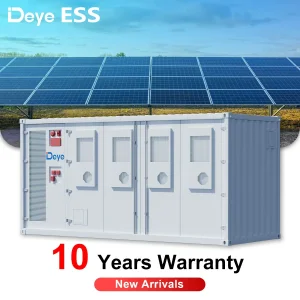
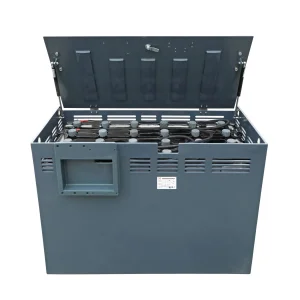
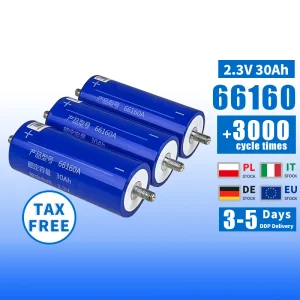
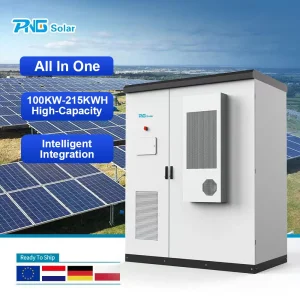
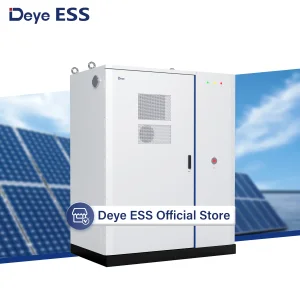
Deploying energy storage equipment in Southern Africa demands compliance with South African Bureau of Standards (SABS) and local Lesotho Electricity Authority (LEA) regulations. In partnership with major international EPC firms, Fujian SK Battery Co., Ltd. ensures that all containerized batteries meet standard transport regulations (UN38.3, IMDG Class 9). The physical logistics from our manufacturing base in Fujian to Lesotho involves shipping via the Port of Durban, followed by rail or heavy road transport through the Maseru Bridge or Maputsoe border posts.
Our solutions include remote cloud-based monitoring, allowing operations managers at remote mining or telecom stations in Thaba-Tseka or Quthing to inspect cell-level parameters, cycle depth, temperature, and charging profiles in real-time. This eliminates the need for constant on-site technical checks and optimizes resource allocation.
Every industrial unit carries full IEC 62619, CE, and UN38.3 certifications, guaranteeing chemical stability and resistance to thermal runaway under heavy usage.
Leveraging the Southern African Customs Union (SACU) structures, we optimize import duties and simplify documentation for transit through South Africa into Lesotho.
From custom output voltages to Modbus/CAN communication protocols matching your existing solar inverters, we build complete custom control systems.
Get in touch with our engineering team for customized, high-altitude battery solutions today.
 SK Battery