High-performance battery architectures designed to anchor base stations, solar arrays, and essential localized microgrids in Tarawa and outer islands.
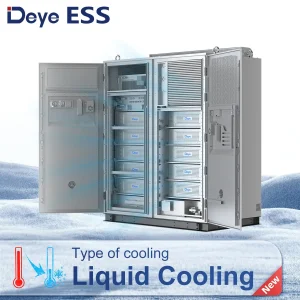
As an island nation composed of 33 low-lying coral atolls scattered across 3.5 million square kilometers of the central Pacific Ocean, Kiribati faces unique energy challenges. Traditionally dependent on expensive, imported diesel fuel, the government of Kiribati has initiated aggressive policies to shift its energy mix towards sustainable solar photovoltaic (PV) generation. This massive transition cannot succeed without highly robust, long-lifespan industrial battery storage systems (BESS).
Operational conditions in Kiribati are among the most severe in the world. High relative humidity (often exceeding 80% year-round), extreme salt-spray exposure, and elevated ambient temperatures averaging 31°C demand industrial-grade energy storage solutions that can resist corrosion while preventing thermal runaway. Standard consumer batteries deteriorate rapidly in these conditions; hence, municipal microgrids, telecom companies, and remote clinics require ruggedized systems with intelligent liquid cooling, hermetically sealed cells, and high IP ratings (IP54 to IP67).
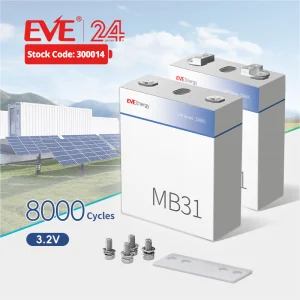
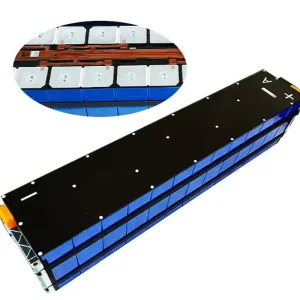
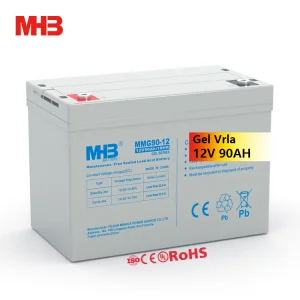
Globally, the commercial and industrial (C&I) battery sector is undergoing a profound transformation. While classic Valve-Regulated Lead-Acid (VRLA) and gel options remain crucial for cost-sensitive backup power and baseline telecommunication stations, Lithium Iron Phosphate (LiFePO4) has become the dominant technology for grid-level storage and heavy-duty cycling. This is driven by their superior cycle life—exceeding 8,000 deep discharge cycles—and exceptional safety profile compared to nickel-manganese-cobalt (NMC) chemistries.
Concurrently, emerging technologies like Sodium-ion (Na-ion) batteries are gaining substantial traction for stationary energy storage systems due to their abundant raw materials and excellent thermal tolerance, eliminating risks of thermal runaway even in scorching equatorial climates. Modern factories are tailoring their production pipelines to output dual-compatibility systems that integrate seamlessly with high-efficiency inverters like Deye and Sungrow.
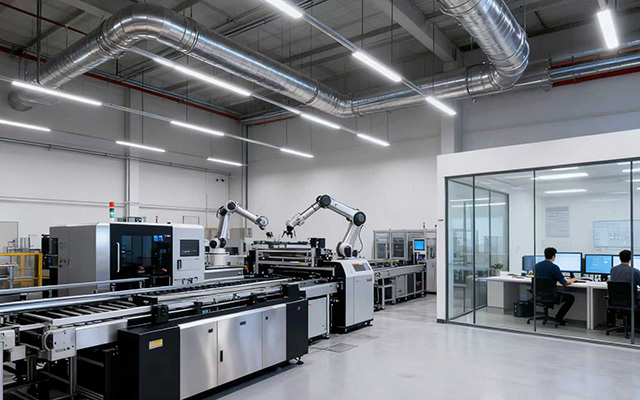
Fujian SK Battery Co., Ltd. was established in 2021 and is located in Fujian, the center of China's new energy industry. Benefiting from convenient transportation and comprehensive supply chain resources, we are uniquely positioned to serve remote markets like Kiribati with unparalleled pricing and manufacturing speed.
We specialize in Ni-MH batteries, Ni-Cd batteries, lithium iron phosphate (LiFePO4) batteries, ternary lithium batteries, and sodium-ion batteries, providing battery solutions for emergency lighting, solar lights, wireless communication, and smart home systems. With deep expertise in battery application scenarios, we focus on solving core problems customers encounter during usage, offering professional technical support and services, as well as customized battery solutions to help clients achieve higher efficiency and greater value.
Our strategic position in Fujian allows us to collaborate directly with premier cell makers and raw material suppliers, reducing logistics overhead and passing the cost-efficiency directly to our international buyers. By sourcing from us, municipal planning committees and private contractors in Tarawa, Christmas Island (Kiritimati), and beyond receive tier-one quality at factory-direct pricing, backed by full international certifications (CE, UN38.3, IEC62619, UL1973).
Engineered to meet the exact geographical, operational, and climate requirements of the central Pacific region.
Decentralized solar microgrids are the lifeline of remote islands like Makin, Kuria, and Tabiteuea. Our large-scale BESS systems store daily solar surplus to provide continuous power throughout the night, reducing diesel reliance to zero.
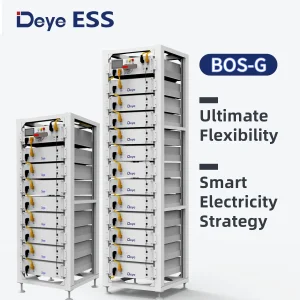
Ensuring that LTE and satellite connection nodes remain online during cyclones and severe weather events. AGM gel cells and wall-mounted LFP racks provide ultra-reliable standby power to avoid communication blackouts.
Freshwater access on low-lying coral atolls relies heavily on solar-powered desalination systems. Containerized battery systems ensure high-surge current requirements of water pumps are continuously met without voltage drops.
What modern supply chain managers, state engineering departments, and commercial buyers seek when procuring industrial batteries.
Enterprise procurement professionals look beyond the initial purchase price. They evaluate the Levelized Cost of Storage (LCOS). High-grade LFP cells with long lifecycles (8,000+ cycles) offer a drastically lower cost per megawatt-hour over the life of the asset compared to cheap, unbranded cells with short lifespans.
With infrastructure installations located thousands of miles away on remote atolls, cloud-integrated diagnostics are mandatory. Modern systems must support SNMP, Modbus TCP, or CAN communication, enabling engineers in Tarawa or overseas headquarters to monitor cell health, charge states, and temperatures in real-time.
Thermal runaway prevention is critical. Standard systems now incorporate liquid cooling, direct-injection aerosol fire suppression, and physical safety isolators per cell block to satisfy safety underwriters and international regulatory agencies.
Selecting the right chemical layout for your Pacific deployment is critical. The table below outlines the core attributes of the major options supplied by Fujian SK Battery Co., Ltd.
| Chemistry | Cycle Life | Optimal Temp | Best Suited For |
|---|---|---|---|
| LiFePO4 | 6,000 - 8,000+ | -10°C to 55°C | Heavy C&I Grid, Microgrids |
| Sodium-Ion | 3,000 - 4,000+ | -40°C to 70°C | High Temp Environments |
| VRLA Gel | 800 - 1,500 | 15°C to 30°C | Emergency Backup, Telecoms |
| Ni-Cd / Ni-MH | 1,500 - 2,500 | -20°C to 45°C | Emergency Lights, Signaling |
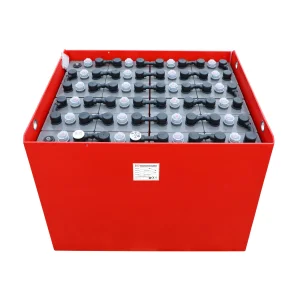
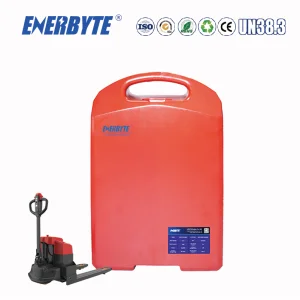
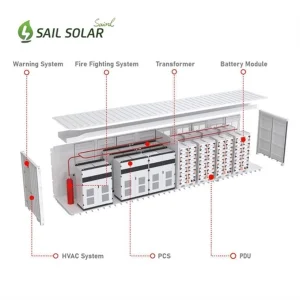
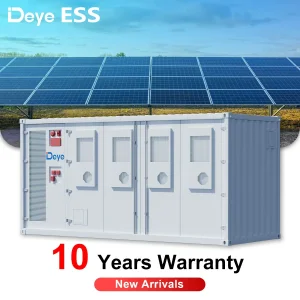
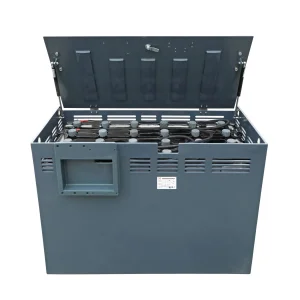
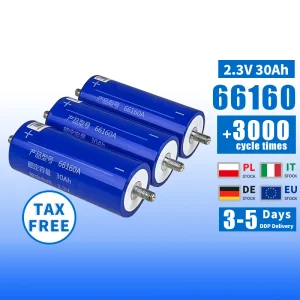
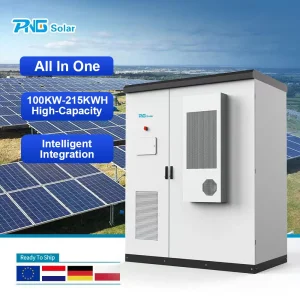
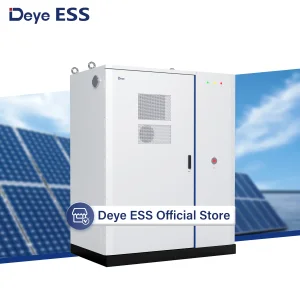
Full inventory of commercial grade utility-scale, industrial-cabinet, and specialized forklift power packs optimized for the Kiribati region.
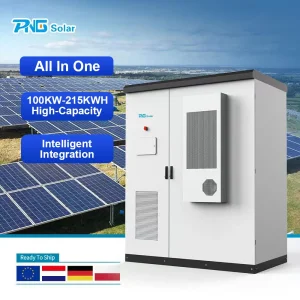
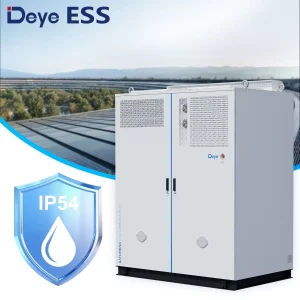
Technical answers regarding environmental compatibility, safety, shipping, and deployment in the Pacific region.
Procuring utility-scale batteries for island microgrids demands systematic assessment. At Fujian SK Battery Co., Ltd., we recommend the following protocol to avoid downstream integration and degradation issues:
 SK Battery