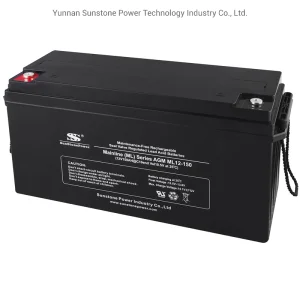
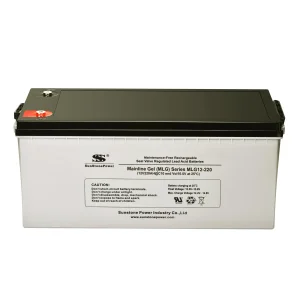
Explore our high-performance off-grid and deep cycle solar batteries engineered for industrial and residential use cases across Malabo, Bata, and beyond.
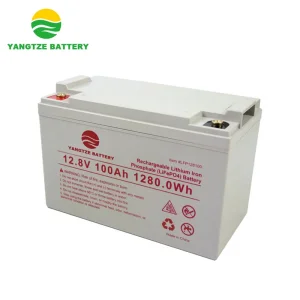
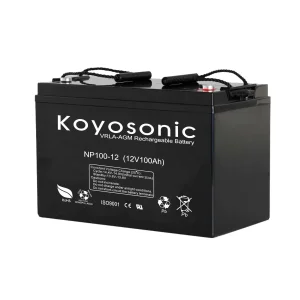
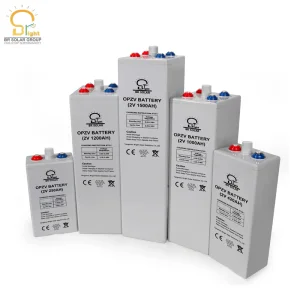
Equatorial Guinea, situated along the Gulf of Guinea, consists of the mainland region (Río Muni) and the insular region containing Bioko Island (where the capital Malabo lies) and Annobón. Historically reliant on fossil-fuel energy and offshore gas platforms, the national utility infrastructure faces geographic distribution challenges. Transmission lines through tropical rainforests suffer from grid instability, voltage dips, and absolute blackouts. Consequently, both public sectors and private commercial operations are transitioning rapidly to distributed solar photovoltaic systems. This paradigm shift requires highly durable, high-capacity deep cycle batteries that function as the backbone of energy independence.
Operating chemical energy systems in Equatorial Guinea introduces specific challenges: persistent relative humidity exceeding 90%, high ambient temperatures average 25°C to 30°C year-round, and corrosive maritime atmospheres near Malabo Port and Bata Port. Designing, importing, and integrating deep cycle energy storage requires a strict assessment of battery chemistry, thermal runway thresholds, cycle lifetimes, and structural housing. This white paper serves as a technical blueprint for procurement officers, national telecommunication groups (like GETESA), offshore extraction contractors, and agricultural engineers to select high-reliability deep cycle systems from world-class manufacturing partners.
"For remote solar microgrids, marine telemetry, and critical communication towers in West Africa, the cost of deployment is dwarfed by the cost of premature failure. Engineering for thermal resilience and choosing certified deep-cycle platforms from verified supply chains determines overall project feasibility and long-term operating costs."
The economy of Equatorial Guinea relies on heavy industrial sectors (hydrocarbons, liquified natural gas, timber) alongside developing marine ports and urban residential zones. The geographic split between the island and the mainland creates isolated energy requirements:
Choosing the correct battery chemistry determines performance, weight limits, operating temperature parameters, and return on investment. Below is a comprehensive engineering comparison table optimized for West Africa’s hot and humid microclimates:
| Technology Type | Standard Cycle Life (80% DoD) | Optimal Operating Temp | Thermal Runaway Threshold | Maintenance Requirement | Primary EG Application Scenario |
|---|---|---|---|---|---|
| LiFePO4 (LFP) | 4,000 - 6,000 Cycles | -10°C to +55°C | >270°C (Highly Stable) | Zero (Intelligent BMS managed) | High-cycle solar microgrids, Telecom towers, urban solar backup |
| OPzV Tubular Gel | 1,500 - 2,500 Cycles | -20°C to +50°C | Not applicable (High liquid mass) | Zero (Sealed valve-regulated) | Heavy industrial UPS, remote off-grid solar farms with thermal swings |
| Standard VRLA Gel | 800 - 1,200 Cycles | -15°C to +40°C | Moderate Risk without cooling | Zero (Maintenance Free) | Residential solar storage, small power backup, street lights |
| AGM Deep Cycle | 500 - 800 Cycles | -15°C to +35°C | Higher Risk under fast charge | Zero (Sealed design) | Short-duration emergency standby, UPS backups, golf carts |
As deep-cycle battery technologies become more advanced, partnering directly with experienced Chinese manufacturers ensures competitive pricing and access to cutting-edge research. Fujian SK Battery Co., Ltd., founded in 2021, sits at the heart of Fujian’s energy storage cluster (world-renowned for pioneer battery cells and supply chain integration). Fujian's advanced supply chain infrastructure provides direct raw materials access (high-grade lithium iron phosphate, low-impurity lead alloys, structured separators) which reduces production overhead while raising quality standards.
By leveraging standardized automated manufacturing lines, high-rate quality control inspection equipment, and stringent environmental certifications (ISO 9001:2015, CE, IEC 60896, UN 38.3), Fujian SK Battery Co., Ltd. satisfies the stringent procurement benchmarks set by international engineering firms and West African government bodies. Shipping routes directly from Fuzhou or Xiamen Port to Bata and Malabo Ports are highly optimized, ensuring rapid delivery times, comprehensive shipping documentation compliance for hazardous chemical cargos, and secure transit protection.
Engineered for high durability and resistance to thermal degradation, our systems power core industrial and public infrastructures.
Equator Guinea's networks depend on remote transceiver sites. Standard grid failure demands continuous 12V and 48V power. Our Gel and LiFePO4 batteries deliver long floats and fast recovery under high heat.
Powering remote clinics and luxury eco-lodges on Bioko Island. Combining solar PV arrays with high-capacity 2V tubular OPzV cells ensures deep cycle discharge without reducing unit lifetime.
Deployed in offshore exploration zones and Malabo port installations. Designed to operate safely in saline, high-moisture air, powering instrumentation panels, safety systems, and marine telemetry.
Fujian SK Battery Co., Ltd. was established in 2021 and is located in Fujian, the center of China's new energy industry. Benefiting from convenient transportation and comprehensive supply chain resources, we manufacture high-reliability, long-lifetime products tailored for global deployments.
We specialize in Ni-MH batteries, Ni-Cd batteries, lithium iron phosphate batteries, ternary lithium batteries, and sodium-ion batteries, providing battery solutions for emergency lighting, solar lights, wireless communication, and smart home systems. With deep expertise in battery application scenarios, we focus on solving core challenges customers encounter during usage, offering professional technical support, localized logistics guidance, and customized battery configurations to help clients achieve higher operating efficiency.
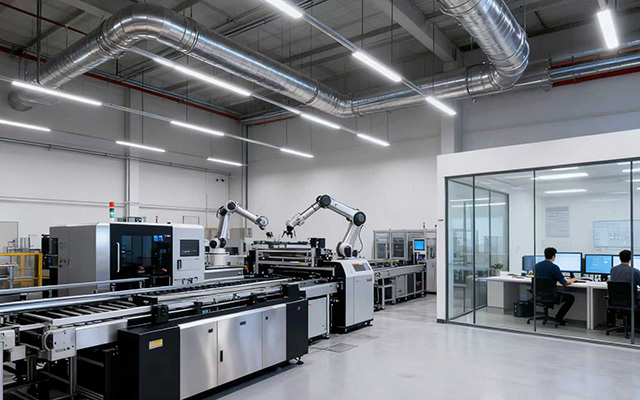
Complete lead-acid, gel, VRLA, and advanced lithium configurations optimized for international shipping and high-reliability operations.
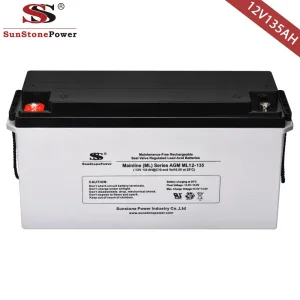
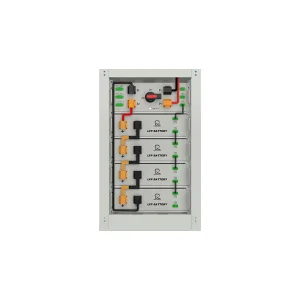
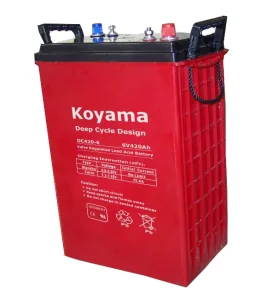
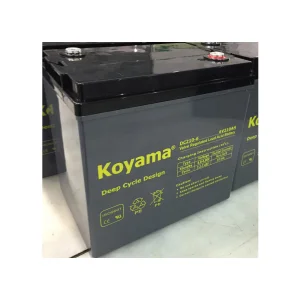
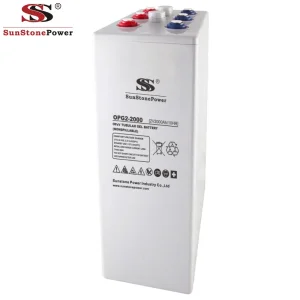
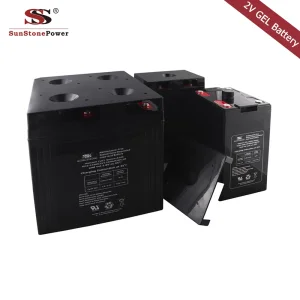
High capacity battery configurations engineered to meet international safety certifications and harsh environment parameters.
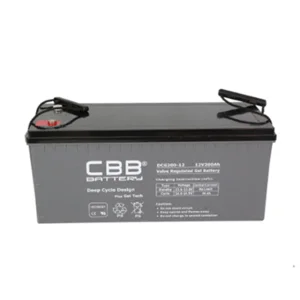
Critical answers for engineers, project managers, and logistics coordinators importing deep-cycle technology to West Africa.
For high-temperature environments, both OPzV Tubular Gel and LiFePO4 (LFP) are superior choices. OPzV cells use a gelled electrolyte that handles thermal stratification and prevents dry-out, while high-grade LiFePO4 cells are equipped with integrated Battery Management Systems (BMS) that actively regulate charging currents to prevent thermal runaway. Standard AGM batteries are more susceptible to drying out if cycled heavily in temperatures exceeding 35°C without active cooling.
Relative humidity exceeding 90% (common in coastal Equatorial Guinea) accelerates corrosion at terminal connection points. Our batteries feature pure lead or copper-silver coated terminals. During installation, we recommend applying antioxidant terminal grease and housing the battery bank in a ventilated, IP-rated enclosure to prevent condensation from causing micro-short circuits.
Production cycles generally require 15 to 25 days depending on the volume and customization needs. Sea freight from Fuzhou Port or Xiamen Port to West African hubs (Malabo/Bata) typically takes 40 to 50 days. We provide comprehensive MSDS, UN38.3 testing certificates, and Class 9 hazardous goods shipping compliance declarations to ensure smooth customs clearance.
LFP batteries should not be placed in direct parallel configurations with lead-acid batteries due to their differing nominal voltages and charge/discharge curves. To upgrade a legacy system, the solar charge controller must support lithium profiles (specifically CC/CV charging) and the old battery bank should be entirely replaced to prevent unbalanced discharge states.
Yes, all deep cycle units are manufactured in accordance with ISO 9001 and ISO 14001 guidelines. Our solar gel and lithium series carry CE, IEC 60896-21/22 (for VRLA Gel), IEC 61427 (for photovoltaic energy storage systems), and UL listings. These meet the technical requirements of the Ministry of Mines, Industry and Energy in Equatorial Guinea.
Partner with Fujian SK Battery Co., Ltd. for factory-direct chemical energy storage solutions. Our engineering team provides custom capacities, comprehensive technical documentation, and optimized shipping logistics.
Send Inquiry Now SK Battery