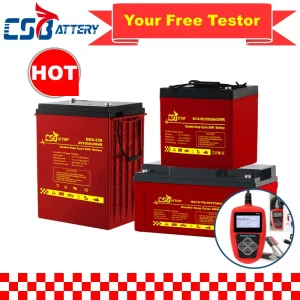
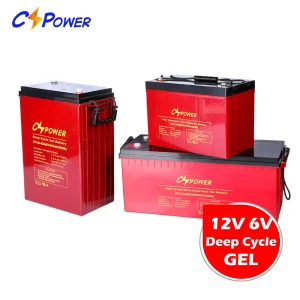
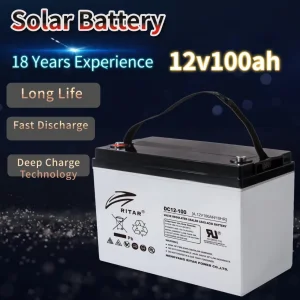
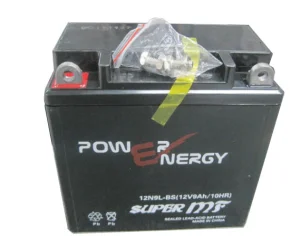
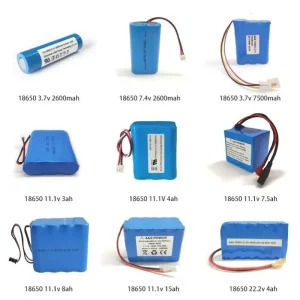
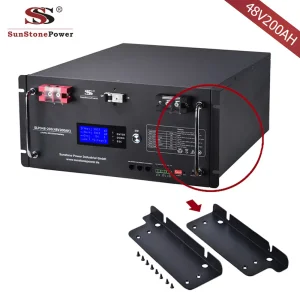
The global energy storage market is undergoing a seismic shift. While lithium-ion batteries often capture the headlines, Carbon Lead Batteries have emerged as the quiet powerhouse of the industrial and renewable energy sectors. By integrating highly conductive carbon materials into the negative plate of a traditional lead-acid battery, manufacturers have successfully bridged the gap between conventional lead-acid technology and expensive lithium alternatives.
Today, the demand for lead-carbon solutions is surging across North America, Europe, and the Asia-Pacific region. These batteries offer a unique value proposition: they provide superior Partial State of Charge (PSoC) performance, longer cycle life, and faster charging capabilities than standard AGM or Gel batteries, all while maintaining the safety and recyclability that lead-based chemistries are known for. In 2024, the "Top 10 Carbon Lead Battery Factories" are not just making batteries; they are engineering high-efficiency storage for smart grids and micro-grid systems.
Modern lead-carbon batteries are now optimized for high-rate discharge, making them ideal for mission-critical UPS systems and telecom backup power.
Leading exporters are adopting closed-loop production cycles to minimize environmental impact, aligning with global ESG standards.
Integration with AI-driven Battery Management Systems (BMS) allows for real-time health tracking and predictive maintenance.
The industry is moving toward "Carbon-Enhanced" solutions to solve the sulfation issues of traditional batteries. This innovation allows batteries to operate efficiently even when they aren't fully recharged daily—a common scenario in solar and wind power applications. For global purchasers, this means lower maintenance costs and a significantly higher Return on Investment (ROI).
Enterprises in the US, Middle East, and Southeast Asia are increasingly looking for stable procurement partners. China’s comprehensive supply chain—from raw lead and carbon processing to advanced separator manufacturing—ensures that "Top 10" factories can offer competitive pricing without compromising on quality.
Global buyers require batteries that meet diverse standards (IEC, CE, UL, RoHS). Chinese manufacturers like Fujian SK Battery Co., Ltd. excel in providing OEM/ODM services, allowing clients to customize capacity (100Ah to 3000Ah) and terminal types for specific local needs.
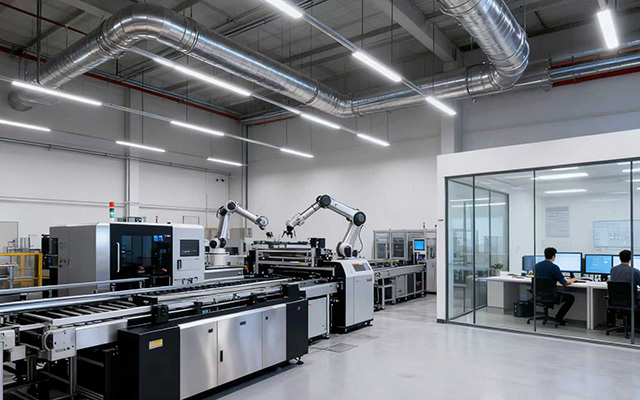
Fujian SK Battery Co., Ltd. was established in 2021 and is located in Fujian, the center of China's new energy industry. Benefiting from convenient transportation and the comprehensive supply chain resources of this global battery hub, we have rapidly ascended as a premier manufacturer and exporter.
We specialize in Ni-MH batteries, Ni-Cd batteries, lithium iron phosphate batteries, ternary lithium batteries, and sodium-ion batteries, providing battery solutions for emergency lighting, solar lights, wireless communication, and smart home systems. Our lead-carbon and deep cycle solutions are designed with AI-enhanced manufacturing processes that ensure consistent quality across every batch.
With deep expertise in battery application scenarios, we focus on solving core problems customers encounter during usage.
Offering professional technical support and services, as well as customized battery solutions to help clients achieve higher efficiency.
In regions with unstable power grids, lead-carbon batteries provide a safe, non-combustible storage option for home solar systems. They are perfect for 24/7 cycling without the safety risks associated with some lithium chemistries.
Data centers and hospitals rely on the fast-recharge capability of carbon batteries. They ensure that after a power outage, the system is ready for the next event in record time.
From golf cars to floor cleaning machines, the deep-cycle resilience of our lead-carbon series allows for long operating hours and thousands of discharge cycles.
Whether it’s the high temperatures of the Middle Eastern deserts or the cold climates of Northern Europe, our batteries are engineered to perform. The added carbon acts as a thermal buffer and prevents plate sulfation, extending the battery life by up to 300% compared to traditional lead-acid.
The core innovation of the Carbon Lead battery is the addition of carbon materials (such as graphene, activated carbon, or carbon nanotubes) to the negative electrode. In a standard battery, the accumulation of lead sulfate crystals on the negative plate—a process called sulfation—is the primary cause of failure. The carbon additive acts as a "supercapacitor," providing an internal conductive network that prevents the hardening of lead sulfate.
This allows the battery to accept a charge much more efficiently. For solar applications, where the charging current varies based on sunlight, the ability to accept high-current "bursts" is critical. Lead-carbon technology ensures that no energy is wasted. Furthermore, because carbon lead batteries are based on the VRLA (Valve Regulated Lead Acid) design, they are maintenance-free and do not require water topping, making them ideal for remote telecom towers and offshore wind farms.
Compared to Lithium-ion (LiFePO4), lead-carbon batteries are significantly more cost-effective for large-scale stationary storage. While lithium is lighter and more compact, the weight of lead-carbon is often an advantage in stationary applications where it provides a stable, secure foundation for the energy rack. Moreover, the recycling infrastructure for lead-based batteries is the most successful in the world, with a circular economy efficiency of over 98%.
Choosing the right manufacturer among the Top 10 Carbon Lead Battery Factories is a critical decision for your business. It’s about more than just price; it’s about safety, longevity, and professional support. Fujian SK Battery Co., Ltd. is committed to delivering excellence through our specialized range of Ni-MH, Ni-Cd, Lithium, and Lead-Carbon solutions.
As we continue to innovate in the heart of China’s new energy industry, we invite global partners to explore our customized battery solutions. Help your clients achieve higher efficiency and greater value with power systems designed for the demands of the 21st century.
 SK Battery