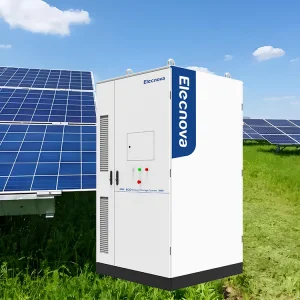
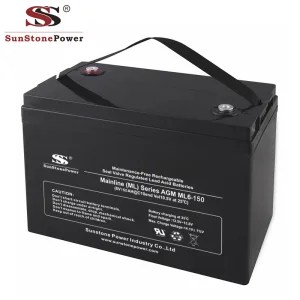
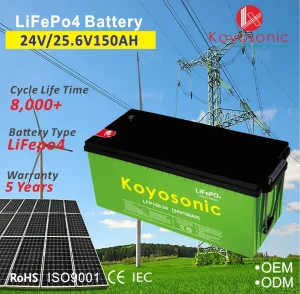
Engineered for high thermal resistance, extended cyclic life, and optimized performance in Central and East Africa's diverse microclimates.
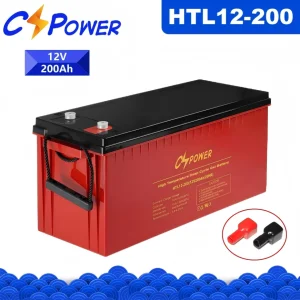
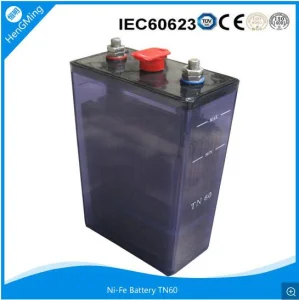
As one of Africa's fastest-growing economies, Rwanda is aiming for 100% electricity access under the National Electrification Plan (NEP). To reach this milestone, off-grid electrification via solar home systems (SHS) and mini-grids accounts for nearly 30% of the planned connections. However, the operational reliability of these decentralized networks depends entirely on the robust performance of energy storage systems.
In Rwanda's commercial, industrial, and agricultural sectors—specifically within coffee washing stations, tea factories, and telecom towers located in high-altitude regions like Musanze and Gisenyi—grid voltage instability remains a key challenge. Implementing industrial-grade solar batteries mitigates expensive downtime, reduces diesel generator dependence, and optimizes energy costs by storing low-cost solar energy during daylight hours for peak dispatch.
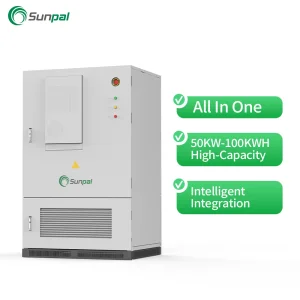
Buffer voltage sags and peaks in critical industrial zones using intelligent Battery Energy Storage Systems (BESS).
Keep fresh produce chilled at off-grid collection points without interrupting the refrigeration cycle.
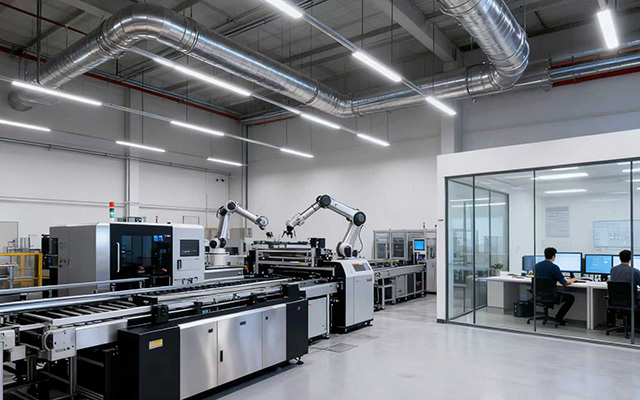
Established in 2021, Fujian SK Battery Co., Ltd. is strategically located in Fujian, the global epicentre of China's advanced new energy industry. Leveraging a mature upstream supply chain and proximity to major shipping terminals, we manufacture and export world-class electrochemical energy storage systems tailored to high-demand applications across emerging markets like Rwanda.
We specialize in the research, development, and mass production of Ni-MH batteries, Ni-Cd batteries, Lithium Iron Phosphate (LiFePO4) batteries, ternary lithium batteries, and cutting-edge sodium-ion batteries. Our product architectures are engineered to address the specific challenges of remote deployment: high ambient temperatures, low maintenance logistics, long lifespans, and advanced cloud-enabled Battery Management Systems (BMS).
Whether you require rugged gel batteries for telecom towers in East Africa or modular wall-mounted LiFePO4 options for residential complexes in Kigali, our engineers supply comprehensive technical customization, certifications (CE, UN38.3, IEC), and OEM/ODM manufacturing advantages.
China accounts for over 75% of global lithium-ion battery manufacturing capacity. Partnering directly with a Fujian-based manufacturer gives engineering firms and project developers in Rwanda access to:
Year Established
Max Cycle Life (LFP)
Quality Inspected
Engineered Ni-Fe Lifespan
Make an informed decision. Compare key electro-chemical characteristics to match the exact operational requirements of your project site in Rwanda.
| Battery Chemistry | Expected Life Cycle (DOD) | Ideal Temperature Range | Maintenance Profile | Primary Rwanda Application Scenarios |
|---|---|---|---|---|
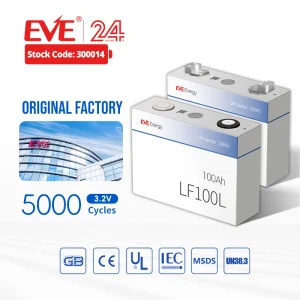
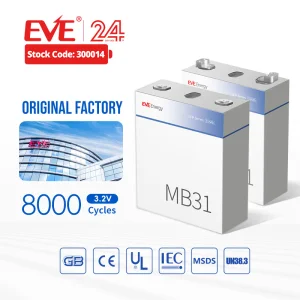
| Lithium Iron Phosphate (LiFePO4) | 6000 - 8000 cycles (80% DOD) | -20°C to +60°C | Zero Maintenance (Smart BMS monitored) | Kigali C&I buildings, telecom backups, off-grid microgrids. |
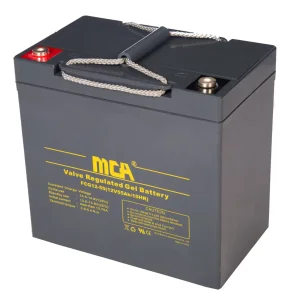
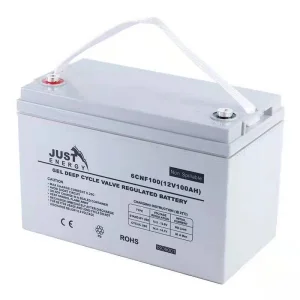
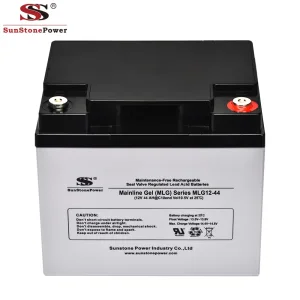
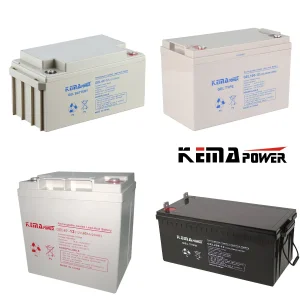
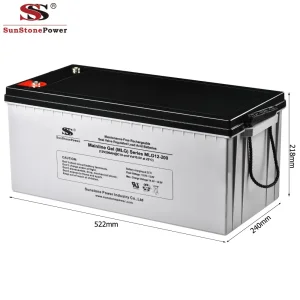
| Deep-Cycle Gel VRLA | 1500 - 3000 cycles (50% DOD) | -15°C to +50°C | Maintenance-Free (sealed) | Rural solar streetlights, home lighting kits, backup UPS. |
| Nickel-Iron (Ni-Fe) | 10,000+ cycles (80% DOD) | -20°C to +60°C | Periodic electrolyte replenishment | Heavy-duty mining, long-term rural institutional micro-grids. |
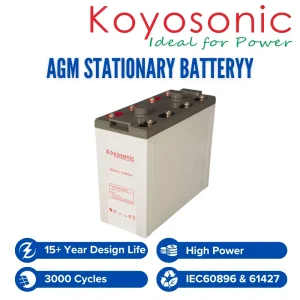
| OPzS Flooded Tubular | 3000 - 4500 cycles (50% DOD) | -10°C to +45°C | Distilled water top-ups required | Utility-scale agricultural processing, heavy grid buffering. |
Providing reliable, high-performance battery systems configured for local climatic conditions and infrastructure needs.
Off-grid energy systems in regions like Kayonza and Nyagatare rely on battery energy storage to deliver clean power during non-solar hours, helping local businesses and medical clinics stay operational.
Rwanda's hilly landscape requires an extensive network of telecom masts. Remote towers use deep-cycle gel and LiFePO4 batteries to ensure continuous connectivity while reducing diesel generator usage.
Avoid expensive production shutdowns caused by grid issues in Kigali's Special Economic Zone (KSEZ). Modern lithium storage systems offer seamless back-up power for critical processes.
Explore our full range of certified industrial batteries, deep cycle gel storage, and high-capacity lithium iron phosphate packs shipped directly to Rwanda.
Importing large-scale energy storage equipment into Rwanda requires navigating East African Community (EAC) customs frameworks and local standards checks. As an experienced exporter, Fujian SK Battery Co., Ltd. helps streamline this process for our regional partners.
Our logistics team coordinates closely with clearing agents at key transport corridors—primarily the Northern Corridor (via Mombasa, Kenya) and the Central Corridor (via Dar es Salaam, Tanzania)—to ensure safe overland transit to Kigali. All battery shipments comply with international transport codes for class 9 dangerous goods (UN3480 for lithium-ion, UN3028 for nickel-alkaline).
Under East African Community customs rules, many solar components and batteries designated for solar systems qualify for duty-free status.
We provide full documentation—including IEC, CE, and UN38.3 test sheets—to simplify pre-export verification of conformity (PVoC) audits.
Before placing bulk orders for solar projects in Rwanda, ensure your manufacturing partner supports:
Common questions regarding solar battery specifications, integration, and purchasing for the Rwanda market.
Our premium Lithium Iron Phosphate (LiFePO4) batteries—such as the Deye Ess or Eve cells—deliver over 6,000 to 8,000 complete charge/discharge cycles at 80% Depth of Discharge (DOD). In typical operating conditions, this translates to over 10-15 years of daily service, far outperforming traditional lead-acid options.
We manage shipping via reliable ocean-to-land transport corridors. Shipments travel by sea to the ports of Dar es Salaam (Tanzania) or Mombasa (Kenya), followed by specialized land transport to Kigali. We handle all dangerous goods packaging and documentation required for customs clearance.
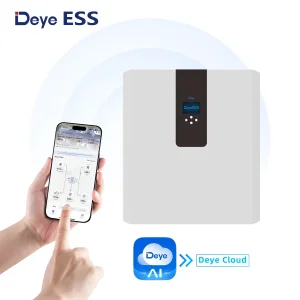
Yes. Our lithium batteries feature a customizable Battery Management System (BMS) that integrates with major inverter protocols, including Deye, Growatt, SMA, Victron, and Studer. This allows for real-time monitoring of State of Charge (SOC), voltage, and temperature.
Gel batteries remain a dependable choice due to their upfront affordability, simplicity, and safety profile in hot climates. Unlike standard lead-acid batteries, they are sealed and maintenance-free, making them ideal for rural installations like streetlights and basic off-grid systems.
 SK Battery