Premium Grade Solar Energy Storage Units Certified for Senegal's Climate & Grid Integration
Strategic Analysis of Grid Instability, High Ambient Heat, and BESS Deployment in Senegal
The Dakar peninsula stands as one of West Africa’s primary economic hubs, driven by rapid urban expansion, port expansion at Bargny-Sendou, and booming industrial parks along the Diamniadio industrial zone. However, the rapid increase in energy demand presents severe stress on the Senelec (Société Nationale d'Électricité du Sénégal) centralized grid framework. Commercial facilities, manufacturing plants, logistics hubs, and residential compounds across Dakar experience frequent voltage fluctuations, localized load shedding, and elevated peak tariff brackets.
To mitigate these challenges, procurement managers, engineering EPC contractors, and commercial developers are rapidly transitioning from legacy diesel generators to modern Battery Energy Storage Systems (BESS) tied to photovoltaic (PV) generation. Integrating tier-1 OEM solar batteries provides peak shaving, zero-ms emergency backup transition, and localized frequency regulation, drastically lowering the Levelized Cost of Energy (LCOE) across Senegal.
Information Gain Insight: Operating energy storage systems in Dakar requires specialized engineering due to the aggressive maritime environment—high airborne salinity along the Atlantic oceanfront combined with fine dust particles blown during the dry Harmattan season (November to May). Equipment failure in West Africa is most frequently linked to thermal throttling and salt-fog enclosure degradation, not raw cell degradation.
Navigating the ideal battery chemistry requires a comprehensive evaluation of initial capital expenditure (CAPEX), operational expenditure (OPEX), cycle life under high ambient temperatures, and safety profiles. Below is an engineering evaluation across four primary storage chemistries deployed in the Dakar regional market:
| Battery Chemistry | Nominal Cycle Life (80% DoD) | Thermal Stability Range | Salt-Fog & Corrosion Resistance | Best Dakar Application Scenario |
|---|---|---|---|---|
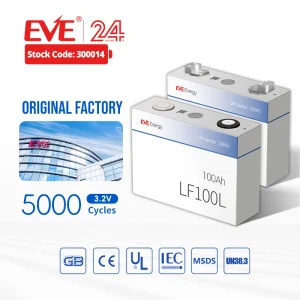
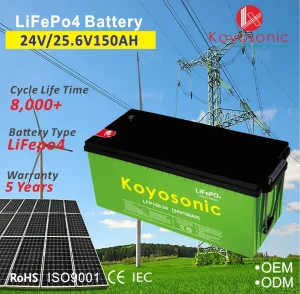
| Lithium Iron Phosphate (LiFePO4) | 6,000 – 8,000 Cycles | -20°C to +60°C | High (When paired with IP65/IP55 Casing) | Commercial & Industrial BESS, Smart Cities, Solar Microgrids |
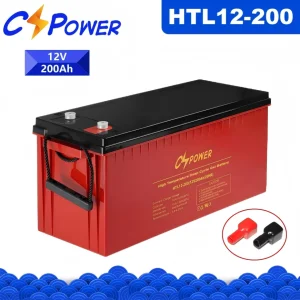
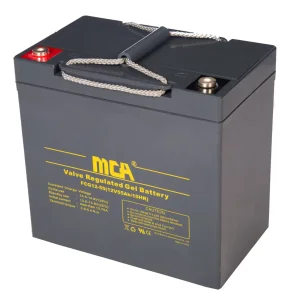
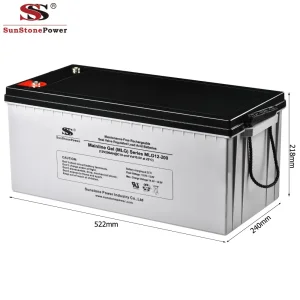
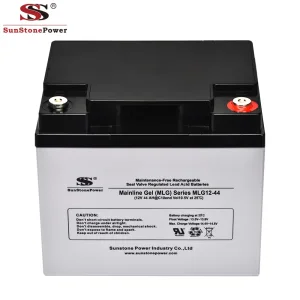
| Deep-Cycle Gel / VRLA | 1,200 – 2,000 Cycles | -15°C to +50°C | Moderate (Sealed Maintenance-Free) | Telecom Towers, Remote Off-Grid Solar Lights, Hybrid UPS |
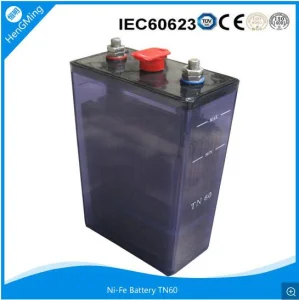
| Nickel-Iron (Ni-Fe) | 11,000+ Cycles (30+ Years) | -40°C to +60°C | Exceptional (Heavy Duty Steel Casing) | Mining Operations, Heavy Industry, High-Durability Utility Storage |
| Sodium-Ion (Na-Ion) | 3,000 – 4,500 Cycles | -30°C to +65°C | High (Advanced Electrolyte Formulations) | Extreme Heat Off-Grid Installations, High-Frequency Cycling |
Architected to deliver enterprise reliability across Senegal's most challenging sectors
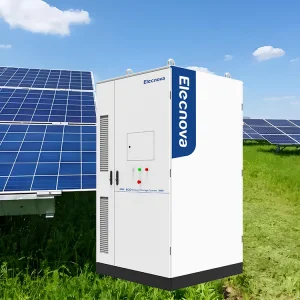
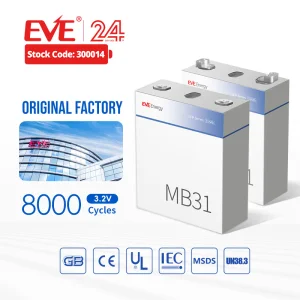
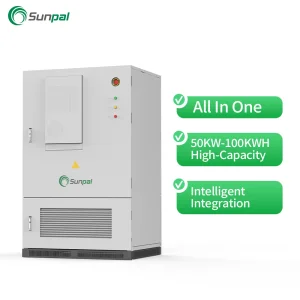
Multi-megawatt containerized LiFePO4 battery systems equipped with liquid-cooling liquid thermal management systems for factories in Pikine, Rufisque, and Diamniadio.
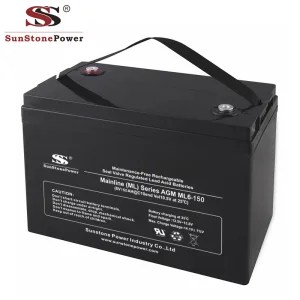
Heavy-duty deep-cycle gel and industrial lithium solutions designed to maintain uninterrupted cold-chain logistics, container terminal crane power, and office automation during grid dropouts.
Compact 48V rack-mounted lithium and tubular gel battery packs engineered for maximum energy density, remote monitoring via SNMP/Modbus, and high ambient tolerance in remote transceiver stations.
Direct Tier-1 Factory Supply Chain Precision Tailored for West African Imports
Securing long-term success for solar projects in Senegal requires more than off-the-shelf procurement. It demands direct partnership with vertically integrated Chinese manufacturers capable of customizing cell matching, Battery Management System (BMS) firmware, and anti-corrosive IP65 outer enclosures.
Established in 2021, Fujian SK Battery Co., Ltd. is located in Fujian, the centralized hub of China's new energy industry. Benefiting from streamlined port logistics and comprehensive supply chain ecosystems, we specialize in Ni-MH batteries, Ni-Cd batteries, lithium iron phosphate (LiFePO4) batteries, ternary lithium batteries, and sodium-ion batteries.
We deliver engineered energy storage solutions for emergency lighting, municipal solar streetlights, wireless telecommunication hubs, and complex smart home systems. With deep expertise in battery application scenarios in high-ambient tropical zones like Dakar, we focus on solving thermal decay, high DoD degradation, and voltage instability.
Contact Our OEM Engineering Team
Factory-Direct Bulk Supply Options with International CE, UN38.3, and IEC Certifications
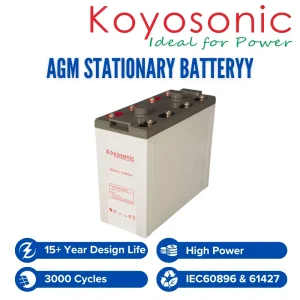
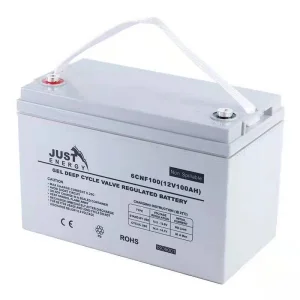
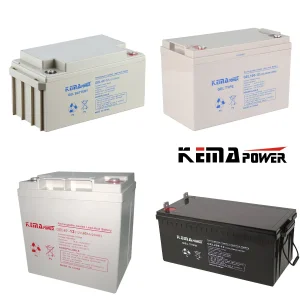
Containerized & High-Density Cell Packs for Large EPC Projects in Senegal
Ensuring Seamless Importation, Tax Efficiency, and On-Site Field Stability
Importing energy storage systems into Senegal involves navigating customs procedures handled by the Douanes Sénégalaises. To secure duty exemptions or reduced tariffs under renewable energy development frameworks (such as the Plan Sénégal Émergent), importers must provide verified documentation matching precise international safety benchmarks:
Battery shipments to Senegal are executed via ocean container freight arriving directly at Port Autonomous de Dakar (PAD). Due to high maritime humidity and ambient ocean temperatures during transit through tropical waters, improper packaging can lead to terminal corrosion or pre-commissioning cell imbalance.
Our factory logistics protocol includes vacuum-sealed anti-moisture barriers, heavy-duty honeycomb wooden crate reinforcements, and integrated data-logger cards to track temperature spikes during sea transit. This guarantees that battery packs arrive in 100% factory-calibrated state.
Expert Guidance for B2B Buyers, Technical Engineers, and Local Distributors
While traditional lead-acid batteries have a lower initial upfront purchase cost, LiFePO4 chemistry offers significantly higher thermal tolerance (up to 60°C without rapid capacity loss), over 4x the total cycle life (6000+ cycles vs 1200 cycles), and a much deeper allowable Depth of Discharge (up to 90% DoD without structural damage). Over a 10-year period, LiFePO4 delivers a 40-50% lower Total Cost of Ownership (TCO) in Senegal’s hot climate.
Temperatures in Dakar frequently exceed 35°C, with unventilated battery rooms reaching over 45°C. Unprotected batteries suffer accelerated electrolyte evaporation (in lead-acid) or SEI layer growth (in standard lithium). Our specialized LiFePO4 packs and Gel batteries utilize heat-resistant electrolyte formulations and optional liquid-cooling thermal management systems to preserve long-term operational life.
Ocean freight transit time from eastern Chinese ports (Fujian / Ningbo) to Port Autonomous de Dakar typically averages between 30 to 40 days depending on maritime shipping routes. Factory production lead times range from 15 to 25 days for standard order volumes, ensuring total order-to-delivery turnarounds within 60 days.
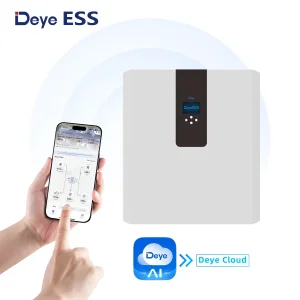
Yes. Our smart BMS units come pre-programmed with universal CANbus and RS485 communication protocols, rendering them natively compatible with leading global inverter brands including Deye, Victron Energy, Growatt, Voltronic, Schneider Electric, and SMA.
Get custom OEM/ODM technical quotes, wholesale pricing catalogs, and localized project engineering support today.
Send Inquiry Now SK Battery