Explore our flagship cell formulations and energy storage systems engineered for precision performance, extended life cycles, and extreme operating environments.
Analyzing energy density evolution, mechanical form factors, localized regulatory compliance, and vertical supply chain integration for corporate buyers.
Deploying advanced Cobalt-rich (LiCoO2) and Nickel-Rich (NCM 811) electrochemistry achieving volumetric energy densities over 750 Wh/L, allowing ultra-thin tablet profiles (1.8mm – 4.2mm) without compromising runtime.
Integrated PCB design incorporating dynamic fuel gauge ICs (Texas Instruments, Maxim), dual-MOSFET thermal cutoffs, over-charge/over-discharge protection, and I2C/SMBus communication protocols for modern OS telemetry.
Rapid ODM prototype development covering custom aluminum pouch cells, L-shaped batteries for dual-screen/foldable tablets, curved contours, and integrated metal casing for structural rigidity.
Fujian SK Battery Co., Ltd. was established in 2021 and is located in Fujian, the center of China's new energy industry. Benefiting from convenient transportation and comprehensive supply chain resources, the company stands at the forefront of lithium electrochemical engineering.
We specialize in Ni-MH batteries, Ni-Cd batteries, lithium iron phosphate batteries, ternary lithium batteries, and sodium-ion batteries, providing high-reliability power solutions for enterprise tablets, emergency lighting, solar platforms, wireless communication, and smart home ecosystems.
With deep expertise in battery application scenarios, our engineering teams solve core technical barriers encountered during high-frequency industrial usage—offering precise technical support, customized BMS software integration, and zero-defect quality assurance for global brands.
Deep-dive into cell chemistry, internal resistance optimization, swelling allowance engineering, and thermomechanical integrity.
Modern tablets demand extremely low spatial volumes paired with extended screen-on time (SOT). To meet these constraints, OEM/ODM tablet battery production leverages High-Voltage Lithium Cobalt Oxide (HV-LiCoO2) cathode systems operating up to 4.45V. Micro-doping with Titanium, Magnesium, and Aluminum coupled with nano-structured conductive coatings prevents lattice collapse during high-voltage cycling.
For ruggedized industrial field tablets deployed in mining, logistics, or military operations, Lithium Iron Phosphate (LiFePO4) and Ternary Lithium (NCM) formulations are engineered with customized thermal insulation layers, enabling sub-zero operation down to -20°C and thermal stability up to 60°C.
One of the primary causes of tablet screen lift and motherboard deformation is pouch cell swelling caused by gas evolution during continuous fast charging and electrolyte breakdown. OEM manufacturing standards require precise calculation of volumetric expansion over 500+ cycles.
Our ODM solutions utilize zero-gap pouch sealing technologies, specialized gas-release pockets during primary formation, and physical swelling tolerance buffers (0.3mm–0.5mm structural headroom inside the chassis) backed by high-tensile PET wrapping tapes and stainless-steel micro-stiffeners.
Comparative breakdown of battery chemistry options optimized for consumer tablets, commercial POS terminals, and heavy-duty industrial pads.
| Chemistry Formulation | Nominal Voltage | Energy Density (Wh/kg) | Cycle Life (80% DoD) | Target Application Segment | Compliance Standards |
|---|---|---|---|---|---|
| HV High-Density LiPo (LiCoO2) | 3.85V - 3.88V | 260 - 300 Wh/kg | 500 - 800 Cycles | Ultra-thin Consumer Tablets & E-Readers | UN38.3, IEC62133, UL2054 |
| Ternary Lithium (NCM 811/532) | 3.6V - 3.7V | 220 - 260 Wh/kg | 800 - 1200 Cycles | Commercial POS Tablets & Healthcare Pads | CE, KC, PSE, RoHS |
| Industrial LiFePO4 (LFP) | 3.2V - 3.3V | 160 - 190 Wh/kg | 2000 - 3500 Cycles | Rugged Field Tablets & Telematics Solutions | UL1642, CB, MSDS |
| Sodium-Ion Hybrid (Emerging) | 3.0V - 3.1V | 130 - 150 Wh/kg | 1500 - 2500 Cycles | Low-Temperature Outdoor / Sub-Zero Tablets | UN38.3 Transport Pass |
| High-Rate Ni-MH Industrial Pack | 1.2V per cell | 60 - 90 Wh/kg | 500 - 1000 Cycles | Legacy Emergency Systems & Auxiliary Memory | CE, IEC Standard |
Addressing key logistics barriers, customs tariff structures, dangerous goods (DG) packaging, and regional certifications for global brands.
Navigating global regulatory landscapes requires mandatory testing. Factories must provide turnkey certification assistance for UN38.3 (transport security), IEC 62133-2 (portable cell safety), UL 2054 / UL 1642, CE, KC (South Korea), PSE (Japan), and BIS (India) to streamline market entry.
Lithium-ion polymer cells fall under Class 9 Dangerous Goods regulations. Complete supply chain oversight includes UN-certified box packaging, air freight (PI965/PI967 standard), sea shipping container ventilation, and DDP/FOB custom clearance execution to minimize tariff overheads.
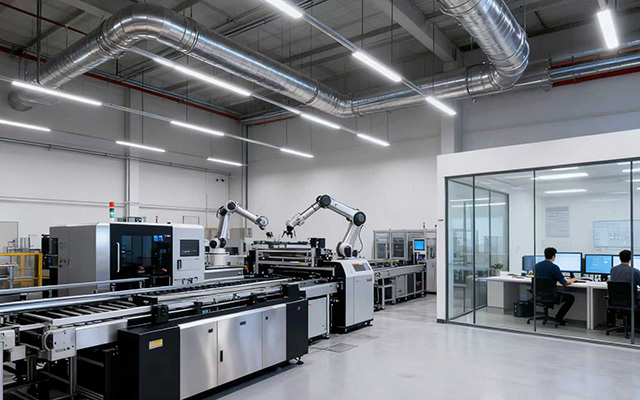
Situated in Fujian Province—the hub of global lithium battery innovation—our plant benefits from direct access to premium separator suppliers, high-purity cathode chemical refining, dynamic automated assembly robotics, and localized technical engineering support.
What procurement managers and hardware product designers must watch over the next 3-5 years.
Incorporating silicon-carbon (Si/C) composite materials into the graphite anode increases gravimetric capacity dramatically. Silicon anodes can hold up to 10 times more lithium ions by weight than conventional graphite. OEM factories are optimizing Si-nanoparticle structures to absorb volumetric expansion during charging, enabling tablet batteries to reach 800+ Wh/L in ultra-compact form factors.
Modern tablet users demand fast replenishment without sacrificing cell life. OEM manufacturers are standardizing internal battery designs to support Power Delivery (PD) 3.1 protocols with Programmable Power Supply (PPS). Dual-cell architectures connected in series (2S1P configuration) enable high-voltage charging (up to 9V/12V step-down conversion), drastically reducing thermal dissipation inside the tablet chassis during 45W–65W fast charge cycles.
The push toward semi-solid electrolyte polymer cells is eliminating liquid leakage hazards entirely. By replacing volatile organic liquid electrolytes with polymer-gel or ceramic-composite electrolytes, semi-solid tablet batteries achieve exceptional safety margins against puncture, bending, thermal abuse, and overcharging, making them ideal for foldable, flexible, and medical-grade tablets.
Integration of advanced host system communication (I2C / SMBus / HDQ) allows tablet operating systems to run machine learning algorithms on battery usage patterns. Battery Management Circuits (BMS) provided by ODM partners now incorporate real-time impedance tracking, dynamic cycle compensation, and dynamic temperature throttling to extend usable battery service life beyond 3+ years of continuous daily operation.
Clear, definitive answers to technical queries, minimum order quantities (MOQs), toolings, and validation procedures.
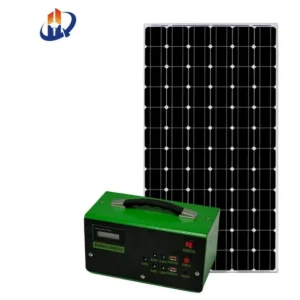
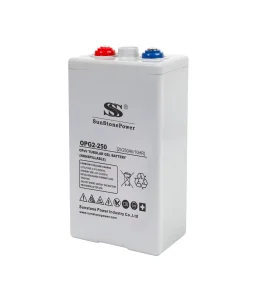
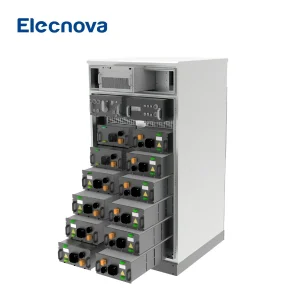
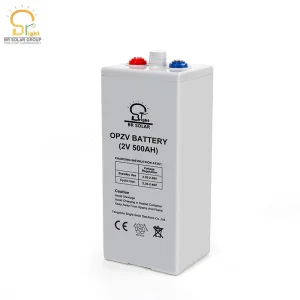
Select from our certified industrial lithium-ion, deep cycle gel, and high-rate battery packs engineered for maximum uptime.
 SK Battery