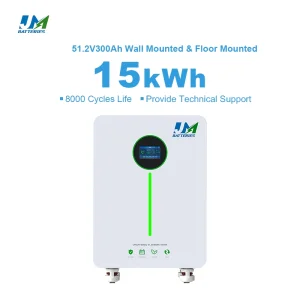
Explore our highly certified, application-specific industrial batteries engineered for high-drain, extreme temperature, and backup solar installations.
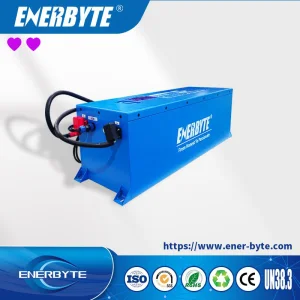
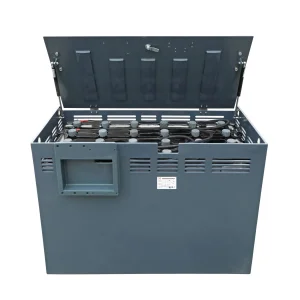
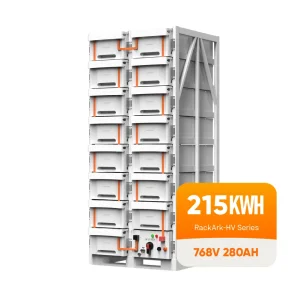
An Analysis of Chemical Compositions, Performance Parameters, and Industrial Adaptations in the Era of Grid Decarbonization.
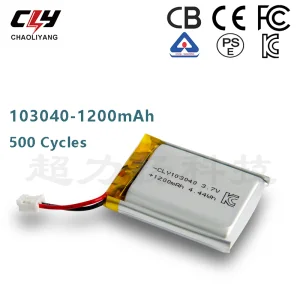
Lithium Iron Phosphate represents the safety benchmark for stationary storage, offering up to 6000 cycles at 80% Depth of Discharge (DoD) and superior thermal stability compared to NMC counterparts.
Emerging as a highly resilient and cost-effective alternative, sodium-ion cells boast incredible raw-material abundance, safety in transit, and reliable discharge rates under sub-zero temperatures.
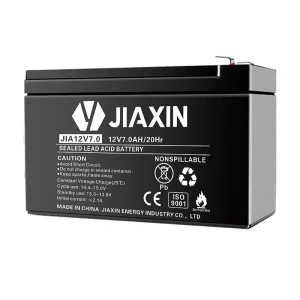
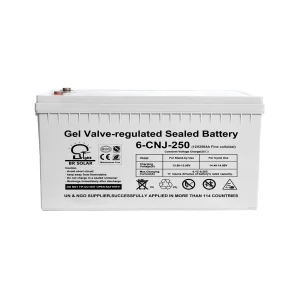
Valued for zero maintenance and robustness in remote field stations. Maintenance-free gel technologies withstand high ambient temperatures without undergoing thermal runaway risks.
The transition from fossil-fuel-reliant architectures to green power generation grids has generated an unprecedented demand for reliable, large-scale energy storage systems (ESS). Historically, solar applications relied heavily on lead-acid arrays due to their low capital expenditure. However, modern commercial projects are demanding high energy density, rapid charge acceptance, and long-term operating life, which has shifted the industrial focus toward Lithium Iron Phosphate (LiFePO4) and novel Sodium-Ion architectures.
One of the most defining advancements in solar battery manufacturing is the integration of Smart Battery Management Systems (BMS). A state-of-the-art BMS enables real-time balancing at the cell level, thermal run-away forecasting, and predictive degradation modeling. This technological refinement allows project engineers to confidently guarantee warranties up to 10 years, dramatically lowering the Levelized Cost of Storage (LCOS) for utility-scale solar developers worldwide.
Standard low-voltage (48V) battery topologies are giving way to high-voltage (400V to 800V+) string battery designs. HV configurations reduce current-related losses along connection lines, improve inverter efficiency metrics, and minimize cabling costs across large commercial footprints.
Engineering, Procurement, and Construction (EPC) contractors, alongside regional solar equipment distributors, face complex supply hurdles and stringent compliance checks. Key procurement priorities have evolved from simple per-kWh unit cost comparisons to complex evaluations encompassing compliance, environmental impacts, and mechanical integrity:
How Modern Manufacturing Hubs in Fujian Province Drive Economies of Scale and Quality Control.
As global demand escalates, the geographic concentration of raw material processing and cell fabrication plants plays a pivotal role in ensuring cost-effective production. Fujian Province, China, has cemented its status as the absolute epicenter of the global new energy ecosystem. This regional dominance is not merely due to labor availability, but is instead built on a highly integrated cluster of precursor production, anode/cathode material manufacturing, cell fabrication, and automated battery packaging units.
By producing batteries within this highly specialized industrial corridor, logistics costs are dramatically reduced, and engineering collaboration between component suppliers is optimized. Manufacturers are able to source high-grade lithium carbonate, structural steel casings, and precision BMS circuit boards with minimal transit delays, insulating global clients from severe supply chain bottlenecks.
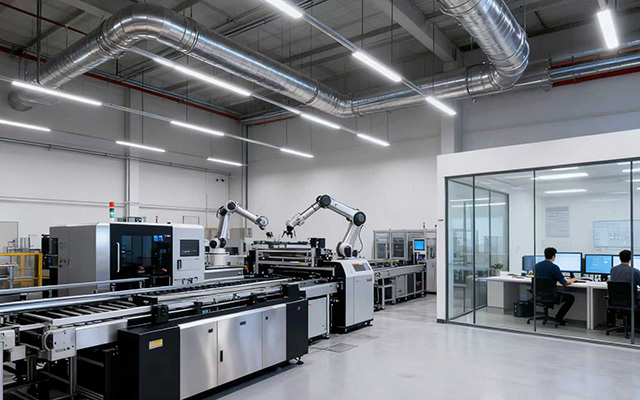
Modern production facilities in China utilize advanced automation to maintain micro-millimeter tolerance levels during cell assembly. Key operational highlights of these smart factories include:
Fujian SK Battery Co., Ltd. was established in 2021 and is located in Fujian, the center of China's new energy industry. Benefiting from convenient transportation and the comprehensive supply chain resources of this industrial hub, we have established our reputation as a trusted manufacturing partner on a global scale.
We specialize in Ni-MH batteries, Ni-Cd batteries, lithium iron phosphate batteries, ternary lithium batteries, and sodium-ion batteries, providing reliable, high-density power solutions for emergency lighting, solar streetlights, wireless communication networks, and modern smart home systems. With deep expertise in battery application scenarios, we focus on solving core problems customers encounter during usage, offering professional technical support, comprehensive certification services, and customized battery designs to help clients achieve higher operational efficiency and greater long-term value.
Deploying Targeted Battery Chemistries for Telecommunications, Off-Grid Systems, and Hazardous Environments.
In developing markets and isolated topographies, grid expansion is often cost-prohibitive. Off-grid microgrids have become the primary method for rural electrification and telecommunications tower power backup. Telecom base stations, in particular, demand high reliability under volatile ambient temperatures. Our specialized battery packs are designed to handle cyclic loads in harsh environments, reducing the dependency on diesel generators and minimizing recurring maintenance site visits.
Certain industrial settings, such as manufacturing plants, chemical processing facilities, and deep-pit mines, require specialized battery designs that prioritize safety above all else. For example, materials handling equipment operating in potentially volatile environments requires explosion-proof certifications (such as Ex classifications). Our custom high-voltage, explosion-proof industrial battery packs integrate pressure-relief valves and flame-retardant enclosures to prevent ignition risks under extreme stresses.
In high-latitude regions, low temperatures severely impact chemical kinetics, reducing standard lithium-ion capacities. For these markets, integrating sub-zero charging technologies and heating elements within the battery enclosure is critical. Additionally, alternative systems like low-temperature nickel-metal hydride (Ni-MH) and sodium-ion designs are utilized to ensure starting power and continuous current delivery for ships, warning systems, and municipal warning signs in sub-zero climates.
Answering Critical Technical Questions for Field Engineers, Project Managers, and Procurement Teams.
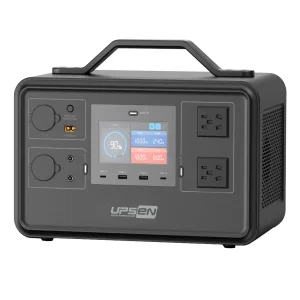
Explore our portable, off-grid, and high-discharge battery arrays engineered for emergency backups, utility vehicles, and residential applications.
 SK Battery