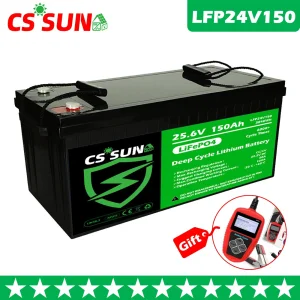
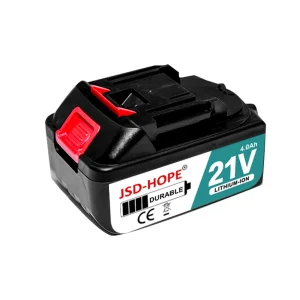
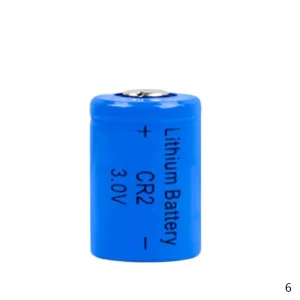
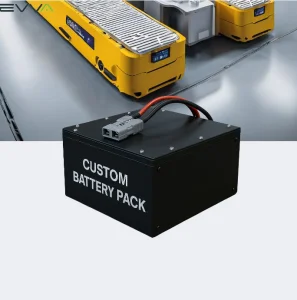
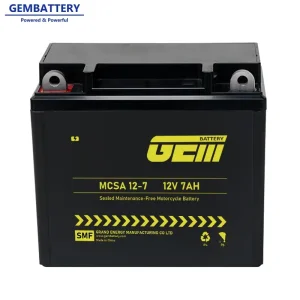
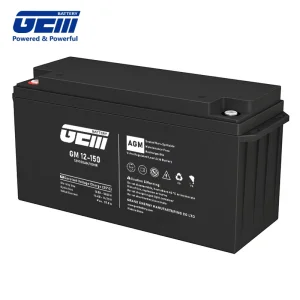
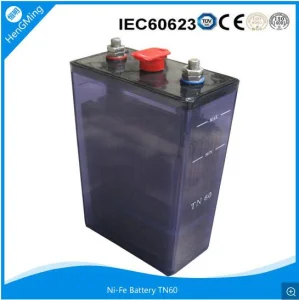
Explore our premium grade battery solutions engineered for durability, thermal stability, and maximum energy density.
Navigating the global energy transition with specialized electrochemical systems engineered for security, density, and sustained thermal efficiency.
As the world shifts away from conventional valve-regulated lead-acid (VRLA) and nickel-cadmium installations, industrial sectors demand intelligent, energy-dense, and highly durable electrochemical platforms. The requirements for portable lithium and secondary batteries have transitioned from simple energy containment to smart, networked power units capable of communicating telemetry in real-time, executing fast-charge protocols, and tolerating extreme environmental operations (-20°C to 60°C). Our manufacturing architecture caters to this global paradigm shift by providing highly integrated cell-to-pack solutions customized for critical commercial applications.
By utilizing advanced chemistries, including Lithium Iron Phosphate (LiFePO4) for exceptional cycle life and thermal runaway mitigation, Ternary Lithium (NMC) for peak volumetric energy density, and emerging Sodium-Ion topologies for unparalleled low-temperature dynamics and raw material stability, we ensure our global distributors and OEM clients retain a strong competitive advantage.
Centrally Located in China's New Energy Industrial Core
Established in 2021, Fujian SK Battery Co., Ltd. is located in Fujian, the world-renowned center of China's new energy industry. Benefiting from convenient logistics, integrated raw material procurement networks, and the comprehensive local supply chain resources, we optimize our production cycles to deliver high-quality energy storage cells and customized battery packs to international markets.
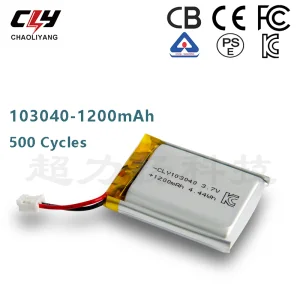
We specialize in engineering and manufacturing Ni-MH batteries, Ni-Cd batteries, lithium iron phosphate batteries, ternary lithium batteries, and sodium-ion batteries. We supply tailor-made energy architectures for critical systems including emergency lighting, architectural solar lamps, wireless communication base stations, portable medical utilities, AGV/AMR autonomous systems, and advanced smart home networks.
With deep expertise in battery application scenarios, our engineering teams focus on resolving complex integration bottlenecks, addressing client challenges in high-temperature degradation, state-of-charge (SoC) tracking accuracy, and cell-balancing dynamics. We offer end-to-end technical support, comprehensive certification protocols, and responsive OEM/ODM configurations to maximize project return-on-investment (ROI).
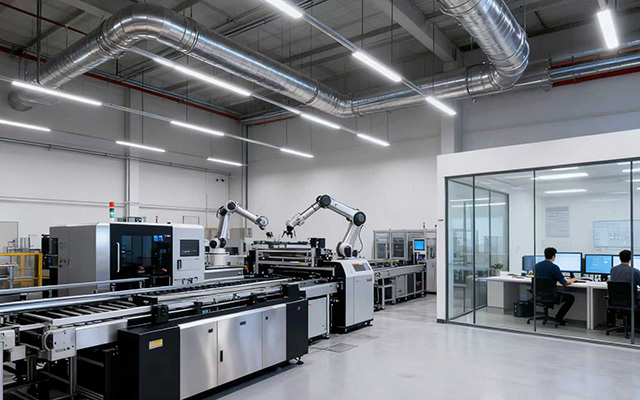
Bespoke energy systems built to meet the specific mechanical, thermal, and electrical demands of modern operations.
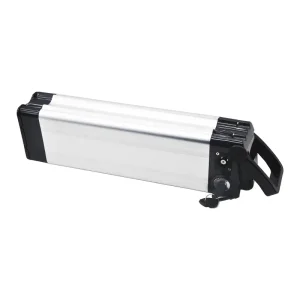
High-discharge, fast-charging 24V/48V/72V lithium architectures featuring integrated CANbus/RS485 communications. Designed to maximize operational uptime in logistics facilities.
Highly resilient Ni-Cd, Ni-MH, and LiFePO4 packs designed to tolerate continuous trickle charging and provide high discharge reliability during primary grid failures.
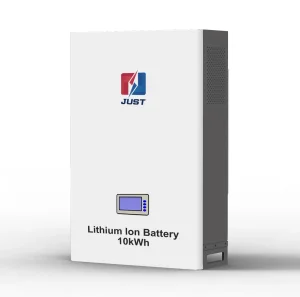
Scalable, wall-mounted and server-rack lithium setups (51.2V 100Ah) designed for seamless integration with commercial and residential hybrid inverters.
A direct comparison of our core manufacturing chemistries to assist in system integration decisions.
| Battery Chemistry | Nominal Cell Voltage | Energy Density (Wh/kg) | Cycle Life (80% DoD) | Operating Temperature Range | Optimal Applications |
|---|---|---|---|---|---|
| Lithium Iron Phosphate (LiFePO4) | 3.2V | 140 - 180 Wh/kg | 3,000 - 6,000 Cycles | -20°C to 65°C | Solar ESS, Home Batteries, AGV/AMR, Commercial Telecom |
| Ternary Lithium (NMC) | 3.7V | 200 - 260 Wh/kg | 1,000 - 2,000 Cycles | -20°C to 60°C | Power Tools, Portable Electronics, Electric Micro-mobility |
| Sodium-Ion (Na+) | 3.1V | 100 - 130 Wh/kg | 2,000 - 3,000 Cycles | -40°C to 60°C | Extreme Low-temp Solar, Grid Backups, Light Electric Vehicles |
| Nickel-Metal Hydride (Ni-MH) | 1.2V | 60 - 110 Wh/kg | 500 - 1,000 Cycles | -10°C to 50°C | Wireless Communications, Emergency Systems, Consumer Goods |
| Nickel-Cadmium (Ni-Cd) | 1.2V | 40 - 60 Wh/kg | 1,000 - 2,000 Cycles | -20°C to 50°C | High-Reliability Emergency Lighting, Heavy Industry Backup |
Our forward-looking development pipeline prioritizes Sodium-ion technology for high-latitude applications where temperatures fall below -30°C. Since sodium does not undergo structural damage or dendrite growth at cold thresholds like traditional lithium chemistries, it offers a reliable alternative for remote, harsh locations.
Rigorous testing and verification procedures that ensure seamless customs clearance and safe transit across international borders.
Shipping and storing portable lithium systems requires absolute compliance with international transport and environmental directives. Fujian SK Battery Co., Ltd. guarantees that all products undergo extensive testing prior to dispatch. We maintain active compliance files to ease imports into the EU, Americas, and APAC markets.
Our integrated Smart Battery Management System (BMS) architecture protects battery packs against short-circuits, overcharging, over-discharging, and thermal runaway. Additionally, our BMS units feature precise coulomb-counting algorithms that provide accurate State-of-Charge (SoC) data, preventing unexpected power outages.
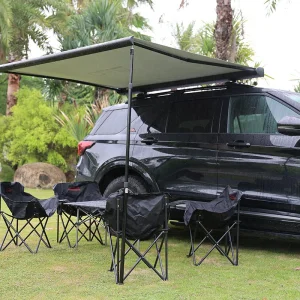
Providing high-voltage packs, customizable RV caravans, high-density solar walls, and traditional deep-cycle replacements.
Answers to critical questions regarding cell configurations, safety standards, and global purchasing dynamics.
LiFePO4 batteries offer significant technological and economic benefits over VRLA options. Although the initial capital expenditure (CapEx) is higher, lithium iron phosphate yields over 3,000 to 6,000 cycles at 80% Depth of Discharge (DoD), compared to only 300 to 500 cycles for traditional gel or lead batteries. Additionally, lithium reduces weight by roughly 60%, has a much higher charge acceptance rate (enabling fast charging), and maintains stable discharge voltages throughout the cycle, resulting in zero maintenance and a lower overall Total Cost of Ownership (TCO).
To ship lithium products internationally, batteries must comply with UN38.3 standards, which require rigorous thermal testing, altitude simulation, vibration, shock, external short circuit, impact, overcharge, and forced discharge assessments. A Material Safety Data Sheet (MSDS) is also required. For compliance in European markets, CE and RoHS certificates are necessary, while UL1642 (for cells) and UL1973 (for battery packs) are critical for industrial installations in North America.
The Battery Management System (BMS) acts as the central safety controller for lithium batteries. It monitors cell voltages, temperatures, and current paths. If the BMS detects over-voltage, under-voltage, over-current, or temperatures outside safe limits (overheating or freezing), it automatically disconnects the circuit. It also manages passive balancing, bleeding off excess charge from fuller cells to ensure all cells in the pack charge evenly, extending overall battery lifespan.
Nickel-Cadmium (Ni-Cd) batteries are exceptionally durable and perform well in high-discharge, harsh temperature settings, but they suffer from the "memory effect" and contain toxic cadmium, which faces regulatory restrictions (like RoHS). Nickel-Metal Hydride (Ni-MH) batteries serve as an environmentally friendly alternative, offering up to 40% higher energy density and minimal memory effect, though they exhibit higher self-discharge rates compared to Ni-Cd cells.
Sodium-Ion batteries rely on widely available sodium rather than scarce lithium, lowering raw material costs. They perform exceptionally well in sub-zero temperatures (maintaining over 80% capacity at -20°C) and are safer during transport because they can be completely discharged to 0V without damaging the cells.
 SK Battery