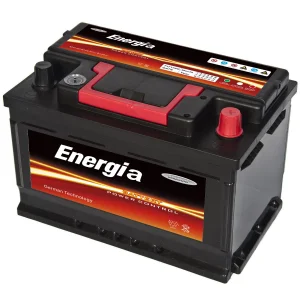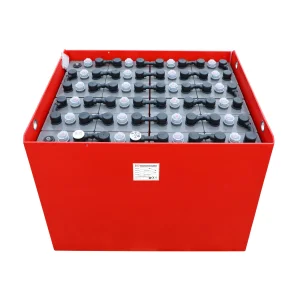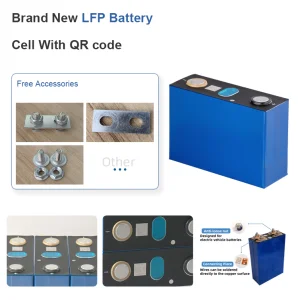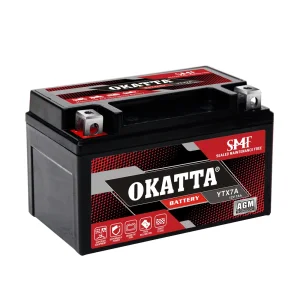
Fujian SK Battery Co., Ltd. was established in 2021 and is located in Fujian, the definitive epicentre of China's global new energy industry. Benefiting from highly strategic and convenient logistics networks alongside comprehensive, vertically-integrated supply chain resources, we represent the absolute forefront of advanced energy engineering.
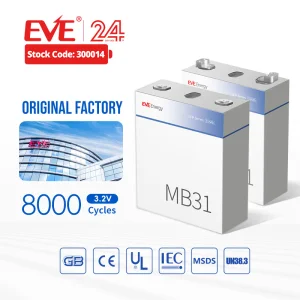
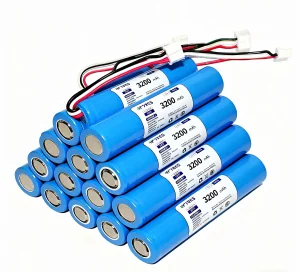
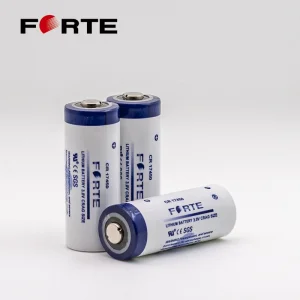
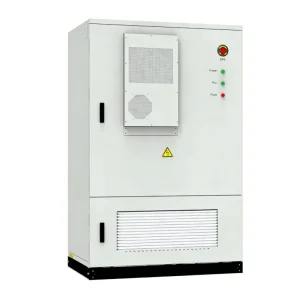
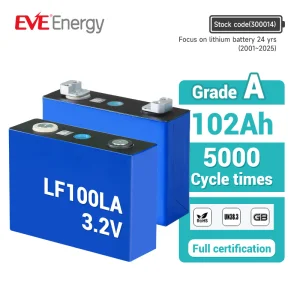
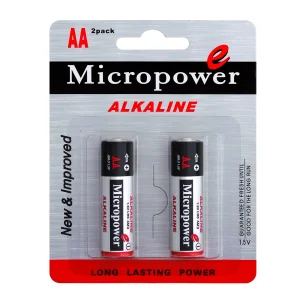
We specialize across a rigorous portfolio of electrochemistry fields, delivering exceptional value in Ni-MH batteries, Ni-Cd batteries, lithium iron phosphate batteries, ternary high-density lithium formulations, and emerging sodium-ion batteries. Our systems provide foundational, ultra-reliable power architectures for critical infrastructure including emergency lighting setups, off-grid solar infrastructure, enterprise wireless communications, and intelligent IoT smart home ecosystems.
With deep operational expertise in rigorous battery application scenarios, our engineering teams focus squarely on mitigating the structural and operational degradation problems customers encounter under heavy thermal or cyclic stress. We deliver bespoke, end-to-end engineered battery solutions to guarantee global clients unlock unparalleled system efficiency and sustained commercial market value.
Analyzing the multi-scale structural engineering breakthroughs that place our high-nickel Lithium Nickel Cobalt Aluminum Oxide (LiNi₁₋ₓ₋_yCo_xAl_yO₂) chemistries at the pinnacle of high-capacity electrochemistry.
Our synthesis framework implements meticulous coprecipitation methodologies to achieve monodisperse, high-crystallinity spherical NCA particles. By optimizing core-shell spatial distributions and suppressing phase transformations within the R-3m space group, we significantly enhance internal lithium-ion diffusion paths, yielding unprecedented C-rate performances.
Aluminum acts as a non-redox active stabilizer within our ternary framework. By strategically segregating Al³⁺ ions within transition metal layers, our cathode substrates dramatically suppress phase alterations at high states of charge (SOC >80%), minimizing oxygen release profiles and preventing dangerous microcracking under cyclical volumetric changes.
To eliminate adverse parasitic reactions between aggressive Ni⁴⁺ surfaces and organic carbonate electrolytes, our factory applies ultra-thin, conformal metal-oxide and phosphate coatings via specialized atomic layer deposition (ALD). This maintains low charge-transfer resistance across the solid electrolyte interphase (SEI) over thousands of cycles.
Bridging the gap between elemental material science and high-demand commercial deployment sectors across international markets.
Our high-nickel formulations satisfy the grueling energy density demands (>300 Wh/kg at cell level) required by luxury electric vehicles, modern heavy-duty commercial fleets, and high-range recreational vehicles. The reduced weight footprint unlocks longer autonomy thresholds while maximizing active kinetic efficiency profiles.
For data communication grids, complex medical arrays, and advanced telemetry setups, our custom pack options afford compact, long-lasting storage capacity. They seamlessly overcome localized system line losses, operating reliably across expansive wide-temperature envelopes.
By optimizing high-drain delivery networks, our secondary assemblies meet the severe operating patterns required by multi-shift electric forklifts and port equipment. This directly mitigates localized down-time via fast-charging multi-protocol BMS convergence.
Integrating complex wind and photovoltaic farms necessitates robust electrochemical dampening. Our high-nickel structures accommodate rapid ramp-rates and frequency regulation cycles, protecting local distribution assets from localized peak surges.
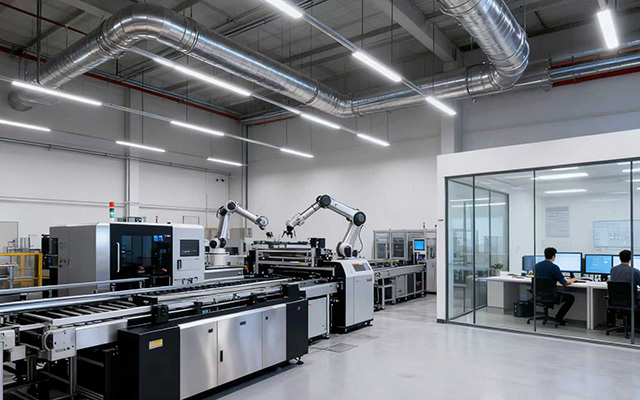
Inside our automated production infrastructure where digital integration meets cost-effective, hyper-precise quality oversight.
Operating within the epicenter of the global chemical supply chain in Fujian, our manufacturing center harnesses deep regional clusters that bring raw precursor compounds, ultra-pure lithium salts, and automated refinement technologies into a single operational nexus. This localized proximity suppresses international logistics bottlenecks before they materialize, ensuring absolute material price predictability and structural stability for global OEMs.
Our cleanrooms maintain strict environmental control parameters—regulating atmospheric moisture content down to dew points below -50°C. This is imperative for preventing localized lithium hydroxide precipitation during high-nickel slurring processes. Utilizing automated vision arrays and integrated machine learning algorithms, every square meter of cast electrode sheet undergoes precise thickness measurements down to the single micron level, ensuring zero variance in localized areal capacities across production runs.
Addressing the complex technical and commercial considerations analyzed by corporate procurement directors and Chief Technology Officers.
For international tier-1 buyers, procuring high-energy-density chemistries extends far beyond simple per-kilowatt-hour pricing parameters. Engineering procurement directors require absolute confirmation regarding localized micro-structural uniformity, raw materials sourcing ethics, and batch-to-batch consistency indicators over multi-year allocation agreements. Our enterprise service protocols grant global clients transparent visibility into production metrics, providing automated chemical verification paperwork with every lot dispatched.
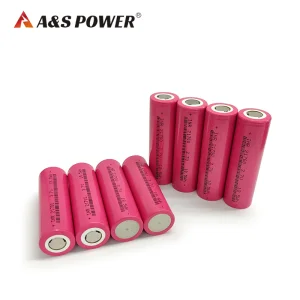
Furthermore, our engineering teams co-design cell packaging form-factors—including cylindrical, prismatic, and pouch variants—to map directly to our clients' existing structural cooling architectures. By managing total cost of ownership (TCO) through optimized internal cell geometries, we systematically eliminate parasitic structural mass at the system integration level, speeding up cross-border integration lifecycles.
Navigating cross-border environmental mandates, safety protocols, and rigorous international quality certification benchmarks.
We systematically integrate full lifecycle carbon tracing metrics across our manufacturing chain, perfectly aligning with the latest European Union Battery Passport requirements and regional carbon border adjustment directives.
Every single batch of cells and multi-cell configurations undergoes exhaustive mechanical and electronic stress tests, securing full UN38.3, IEC 62133, UL 1642, CE, and RoHS international certifications.
Leveraging Class 9 hazardous materials shipping agreements and regional deepwater terminal links in Fujian, we secure priority customs pathways, slashing delivery times to Western and Asian industrial ports.
Answering nuanced chemical engineering and integration queries from industry professionals and field engineers.
Q: What precise metallurgical advantages does aluminum offer within your premium NCA structures?
Aluminum functions as a structural anchor inside our lithium nickel cobalt transition metal matrix. Although Al³⁺ does not participate in redox reactions during high-voltage cycling, its strong chemical affinity stabilizes the oxygen coordination octahedrally. This significantly suppresses the exothermic structural collapse and subsequent oxygen outgassing common in unprotected high-nickel materials.
Q: How does Fujian SK Battery Co., Ltd. proactively control cation mixing during large-scale ternary production?
Cation mixing occurs when Ni²⁺ ions mistakenly occupy the Li⁺ (3b) site due to similarities in ionic radii. We proactively mitigate this behavior by utilizing an oxygen-rich calcination environment along with precise thermal profiles. This forces nickel ions into their target trivalent (Ni³⁺) state, maximizing structural clarity and ensuring exceptional rate performance.
Q: What specific active thermal management systems are recommended for these modules?
Given the high energy storage metrics of NCA cells, we recommend liquid-cooled systems that utilize multi-channel cold plates running alongside individual cell groups. Maintaining operational windows between 20°C and 35°C significantly minimizes macro-scale SEI growth and optimizes overall pack longevity.
Q: Can your assembly lines adjust internal chemical configurations for high-power vs. high-energy configurations?
Yes, our facility alters the material engineering by tuning both primary particle size distributions and target layer thicknesses on the electrode foils. High-power requirements use thinner coatings to maximize active surface contact areas, whereas high-energy applications implement dense micro-structures to maximize volumetric density.
Q: What steps are taken to guarantee your factories align with global ethical sourcing standards?
Our material supply chains undergo rigorous independent auditing to ensure compliance with the Responsible Minerals Initiative (RMI). We trace precursor cobalt and nickel origins back to verified industrial sources, rejecting unauthorized artisanal extractions.
 SK Battery