Premium OEM and ODM battery packs featuring deep-cycle stability, broad thermal tolerances, and long-life cycle performance.
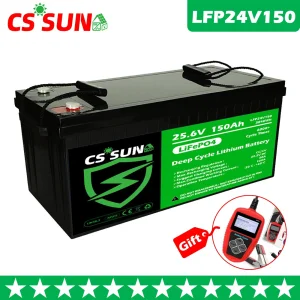
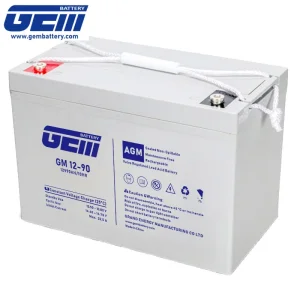
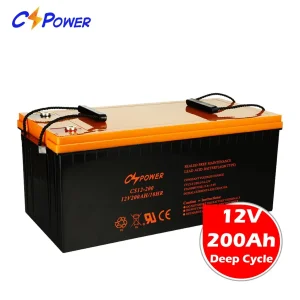
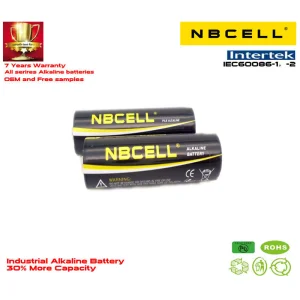
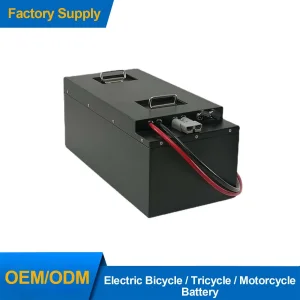
Fujian SK Battery Co., Ltd. was established in 2021 and is located in Fujian, the center of China's new energy industry. Benefiting from convenient transportation and comprehensive supply chain resources, we have designed, developed, and exported highly specialized energy storage systems for world-class enterprises. Operating close to raw materials, leading lithium processing plants, and port infrastructures allows us to offer optimized lead times, highly competitive factory prices, and superior quality assurance.
We specialize in Ni-MH batteries, Ni-Cd batteries, lithium iron phosphate (LiFePO4) batteries, ternary lithium batteries, and sodium-ion batteries, providing battery solutions for emergency lighting, solar lights, wireless communication, and smart home systems. With deep expertise in battery application scenarios, we focus on solving the core problems customers encounter during usage, offering professional technical support, comprehensive certification services, and customized battery solutions to help clients achieve higher operational efficiency and greater value.
"By integrating advanced battery chemistries and robust manufacturing capabilities, Fujian SK Battery Co., Ltd. addresses the evolving demands of IoT networks—from sub-zero industrial monitoring to ultra-long lifecycle residential smart hubs."
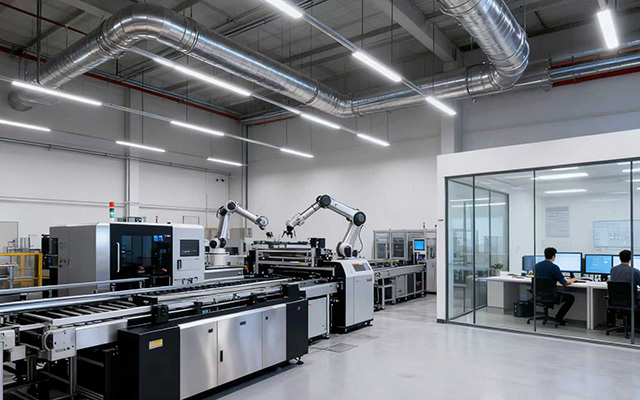
Operational scale, research depth, and technological reliability that global developers depend on.
Evaluating battery technologies to match the precise discharge profiles, lifetime demands, and thermal conditions of your IoT hardware.
Modern IoT devices operate in diverse and demanding conditions, ranging from remote, sub-zero environmental sensors to high-temperature factory smart grids. Fujian SK Battery Co., Ltd. engineers a versatile range of cell chemistries to fulfill these varied applications, ensuring maximum uptime and preventing catastrophic field failures. Below is a detailed breakdown of our key technology platforms:
| Battery Chemistry | Nominal Cell Voltage | Cycle Life (80% DoD) | Temperature Range | Ideal IoT Application Scenarios |
|---|---|---|---|---|
| Lithium Iron Phosphate (LiFePO4) | 3.2V | 3,000 - 6,000+ | -20°C to +65°C | Smart home power hubs, off-grid outdoor solar sensors, public telecommunication base stations. |
| Nickel-Metal Hydride (Ni-MH) | 1.2V | 500 - 1,000 | -10°C to +60°C | Industrial handheld instruments, smart meters, household medical equipment, backup wireless transmitters. |
| Sodium-ion (Na-ion) | 3.1V | 1,500 - 3,000 | -40°C to +60°C | Ultra-low temperature remote sensing networks, utility-scale grid buffers, budget-oriented outdoor assets. |
| Nickel-Cadmium (Ni-Cd) | 1.2V | 800 - 1,500 | -30°C to +70°C | High-temperature emergency exit illumination, harsh heavy-duty industrial backup power. |
| Ternary Lithium (NMC) | 3.7V | 800 - 1,500 | -20°C to +60°C | Compact wearables, portable battery stations, micro-mobility IoT, asset tracking modules. |
Choosing the correct chemistry is crucial to preventing field performance degradation. For instance, while Ternary Lithium (NMC) delivers exceptional energy density for compact tracking nodes, LiFePO4 is preferred for infrastructure systems demanding a decade-long operating life due to its superior electrochemical stability. When thermal resilience is the dominant criteria, our proprietary Sodium-ion technology stands out by maintaining high capacity retention even at -30°C. This makes it an ideal fit for sub-zero environmental nodes, where traditional lithium-ion chemistries experience rapid impedance rise and voltage sag.
For smart meters and critical safety networks, our low self-discharge Ni-MH formulations guarantee battery power retention even after prolonged storage or standby periods, resolving the maintenance challenges faced by distributed asset operators.
How Fujian SK Battery powers critical infrastructure, medical technology, and smart city deployments globally.
Public building codes demand highly reliable backup power systems. Our custom high-temperature Ni-Cd and Ni-MH battery packs are designed to operate under continuous trickle-charge environments up to 70°C, ensuring emergency exit indicators function reliably during fire evacuations and power loss scenarios.
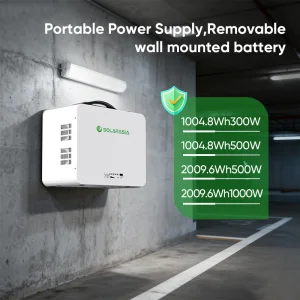
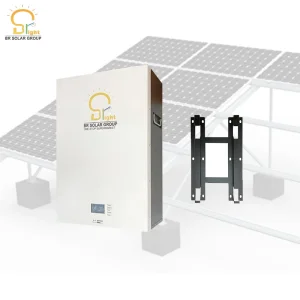
Remote wireless nodes and base stations rely on solar harvesting. Our deep-cycle LiFePO4 wall-mounted batteries and high-capacity gel systems offer 6,000 charge cycles, delivering dependable energy during periods of low sunlight or harsh winters without requiring frequent field replacements.
Utility gas, water, and electricity meters require compact power sources with up to 10-15 years of operational life. SK Battery provides custom industrial primary lithium and rechargeable Ni-MH packs featuring ultra-low self-discharge rates, ensuring continuous device operation and reducing maintenance costs.
Pioneering solid-state integration, eco-friendly chemistries, and AI-enabled smart battery management.
As industrial and municipal operations increasingly rely on connected devices, energy storage solutions must adapt to meet demand. Fujian SK Battery Co., Ltd. is actively investing in research and development to align with key upcoming industry trends:
By eliminating liquid electrolytes, solid-state batteries prevent risks of leakage or combustion. Our development roadmap targets compact solid-state micro-cells designed for wearable medical IoT and critical environmental sensors, operating safely in extreme pressure and temperature ranges.
Sodium-ion technology offers key advantages, using abundant raw materials to bypass global lithium supply chain constraints. We are scaling up our production of sodium-ion battery packs, providing an affordable alternative for off-grid lighting, light electric vehicles (LEVs), and low-temperature storage systems.
Future battery packs will feature integrated smart controllers. Our next-generation battery management systems (BMS) utilize embedded microchips to monitor cell health, dynamic internal impedance, and cycle behavior in real time, sharing diagnostic data via Bluetooth, LoRa, or NB-IoT.
How our automated manufacturing facility in Fujian ensures consistent quality and cost optimization.
Fujian is a leading hub for the global energy transition, hosting major battery manufacturers and chemical suppliers. Operating within this industrial cluster enables Fujian SK Battery Co., Ltd. to optimize its production processes and secure stable material inputs:
To prevent localized cell degradation in multi-cell configurations, our factory utilizes automated testing systems to match cells by voltage, internal resistance, and capacity prior to assembly. This ensures uniform aging characteristics and extends the operating life of our custom battery packs.
Proximity to key raw material processors in China's southeastern economic zone reduces transport overheads and mitigates supply disruption risks. This close access helps stabilize pricing for nickel, cobalt, and lithium derivatives, protecting clients from sudden market fluctuations.
Every manufacturing step is monitored by automated optical inspection (AOI) and digital testing systems, ensuring each Ni-Cd, Ni-MH, and LiFePO4 battery pack meets exact dimensional and electrical tolerances before shipment.
Navigating international safety certifications and hazardous material logistics for hassle-free custom delivery.
Battery shipping is subject to strict international regulations governing hazardous materials (Class 9). Fujian SK Battery Co., Ltd. manages all logistics requirements, providing the necessary documentation and secure packaging for smooth customs clearance and safe transit.
All battery shipments undergo rigorous testing under UN38.3 protocols. This includes thermal stability tests, altitude simulation, vibration testing, and impact resistance, ensuring our battery packs are certified safe for air and sea freight.
We manufacture all battery products in compliance with major global safety standards, including UL 1642, UL 2054, CE, RoHS, and REACH. This documentation helps minimize local import delays for our overseas partners.
From individual cell trays to custom pallet layouts with protective impact protection, we configure our packaging to prevent external short circuits or damage during long-distance maritime transport.
Expert insights addressing key technical queries from hardware engineers and procurement managers.
Standard Lithium Iron Phosphate (LiFePO4) chemistry experiences capacity loss and increased internal resistance at temperatures below -20°C. For extremely cold climates, we recommend our specialized low-temperature cells, which incorporate performance-enhancing electrolyte additives to maintain discharge capability down to -30°C. Conversely, for high-temperature settings, our batteries feature robust thermal management systems to mitigate thermal runaway risks.
Nickel-Metal Hydride (Ni-MH) batteries deliver roughly 30-40% higher energy density than Nickel-Cadmium (Ni-Cd) options and do not contain cadmium, making them fully compliant with European Union RoHS regulations. However, Ni-Cd batteries remain preferred for applications subject to extreme temperatures (exceeding 60°C) or requiring continuous high-rate discharge under trickle-charging, such as emergency lighting systems.
Our integrated Smart Battery Management Systems (BMS) track cell-by-cell voltages, package temperature, state of charge (SoC), state of health (SoH), cycle counts, and charging currents. Communication interfaces like SMBus, I2C, RS485, or CANbus allow these metrics to be integrated directly into host device microcontrollers or transmitted to cloud platforms.
Our manufacturing processes follow strict ISO9001 quality guidelines. Prior to pack assembly, our automated systems test and group cells to match internal resistance, capacity, and open-circuit voltage within narrow tolerances. This minimizes localized cell mismatch and prevents premature pack failure.
Lead times depend on the level of customization required, typically ranging from 25 to 45 days. Large lithium or nickel-based battery packs are classified as Class 9 Dangerous Goods for international transport. We handle all compliance paperwork, including UN38.3 test summaries and MSDS documentation, ensuring trouble-free shipping and customs clearance.
High-reliability custom batteries engineered for emergency systems, transportation backup, and light vehicles.
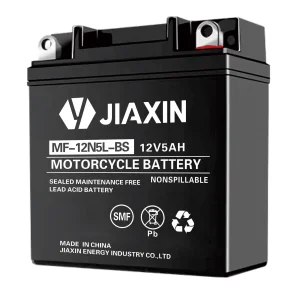
 SK Battery