As the world transitions to a decarbonized economy, the demand for high-capacity energy storage and electric mobility has skyrocketed. This surge has positioned wholesale battery recycling factories at the heart of the global industrial strategy. We are no longer just managing waste; we are performing "urban mining" to retrieve critical raw materials like Lithium, Cobalt, Nickel, and Manganese.
Primary mining cannot keep pace with the 30% annual growth in EV battery demand. Recycling provides a stable secondary source of high-purity metals, insulating exporters from volatile commodity markets.
The EU Battery Regulation and similar global mandates now require a minimum percentage of recycled content in new batteries. Compliance is no longer optional for global exporters.
Closing the loop reduces the carbon footprint of battery production by up to 50%, making recycled battery components highly attractive to environmentally conscious OEMs.
China currently processes over 70% of the world's spent lithium-ion batteries. This dominance isn't just about scale; it's about technological maturity. Chinese factories, particularly those in hubs like Fujian, have pioneered hydrometallurgical processes that achieve near-perfect purity levels for battery-grade precursors.
Efficiency Advantage: Our integrated supply chains mean that a spent battery pack can be disassembled, crushed into "black mass," and chemically refined into new cathode materials within a single industrial park, drastically reducing logistical costs and emissions.
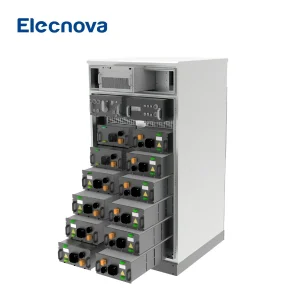
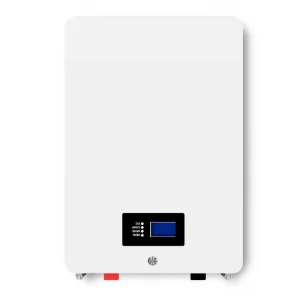
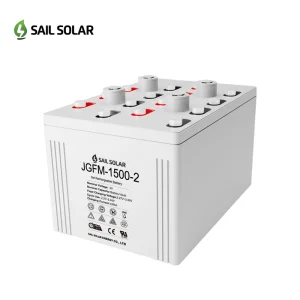
Spent EV batteries are repurposed for second-life applications in solar farms and telecom backup power before final material recovery.
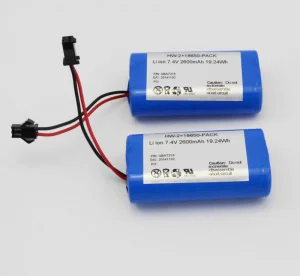
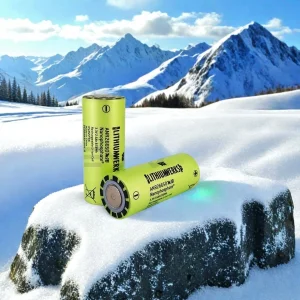
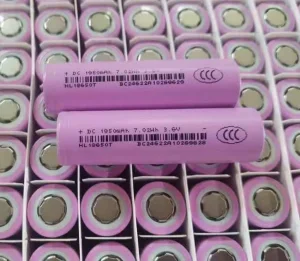
High-volume recycling of 18650 cells and polymer packs from laptops and portable speakers to reclaim cobalt and copper.
Heavy-duty recycling for electric forklifts, AGVs, and electric buses, focusing on high-purity LiFePO4 recovery.
The industry is moving toward "Battery Passports"—digital tracking systems that record the entire lifecycle of a battery, from raw material origin to final recycling. This transparency ensures that exporters can prove the sustainability of their products to global regulators.
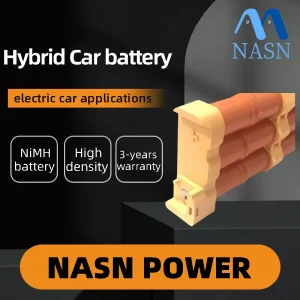
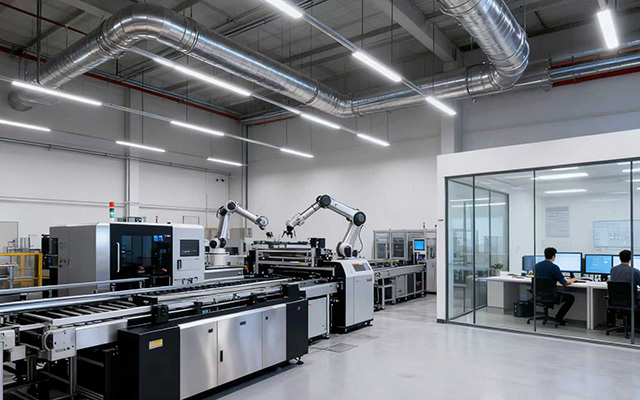
Furthermore, automation in disassembly is replacing manual labor. AI-driven robotic arms can now identify and sort different battery chemistries (LFP, NCM, Ni-MH) with 99.9% accuracy, ensuring that there is no cross-contamination in the recycling stream.
Global Sourcing Insight: Procurement officers are now prioritizing "Closed-Loop Partners"—factories that can not only supply new batteries but also take back spent ones, creating a sustainable, predictable supply chain that mitigates geopolitical risks.
Fujian SK Battery Co., Ltd. was established in 2021 and is located in Fujian, the center of China's new energy industry. Benefiting from convenient transportation and the comprehensive supply chain resources.
We specialize in Ni-MH batteries, Ni-Cd batteries, lithium iron phosphate batteries, ternary lithium batteries, and sodium-ion batteries, providing battery solutions for emergency lighting, solar lights, wireless communication, smart home systems. With deep expertise in battery application scenarios, we focus on solving core problems customers encounter during usage, offering professional technical support and services, as well as customized battery solutions to help clients achieve higher efficiency and greater value.
 SK Battery