Engineered to deliver exceptional thermal stability, sustained discharge capacities, and robust safety protocols under freezing thresholds down to -80°C.
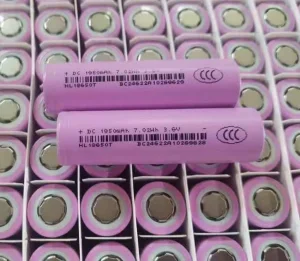
Standard electrochemical cells undergo severe degradation when operating in freezing climates. As temperatures descend below 0°C, the viscosity of conventional organic liquid electrolytes spikes dramatically, restricting ion transport kinetics within the separator and across the electrode-electrolyte interface. Concurrently, charge-transfer resistance increases exponentially, triggering severe lithium plating on the graphite anode. This not only decreases discharge capacities but poses significant short-circuit risks due to dendrite formation.
To overcome these physical limitations, low-temperature energy cells deploy advanced physical modifications. Introducing low-viscosity co-solvents (such as ethyl acetate, methyl propionate, or fluorinated ethers) keeps the electrolyte liquid at sub-zero temperatures. Proprietary film-forming additives construct a highly conductive, thin solid-electrolyte interphase (SEI) layer, which lowers charge-transfer energy barriers. These developments guarantee dependable energy output, preserving more than 80% capacity at -30°C and maintaining critical operation in cryogenic applications down to -80°C.
Understanding the electro-chemical challenges that batteries face at temperatures below freezing point:
Analyzing high-altitude climate profiles, industrial infrastructures, and specialized procurement needs in cold climates.
North Korea undergoes harsh continental winters, especially in northern regions such as Ryanggang and Chagang. Temperatures regularly drop below -30°C in mountainous mining sectors. This climate requires highly reliable power sources for infrastructure, lighting, and heavy transport machinery to operate without failure.
Resource extraction operations in northern districts require high-capacity vehicle starting power and continuous telemetry signaling. Standard lead-acid batteries suffer severe cracking and voltage drops, making advanced sodium-ion and lithium titanate (LTO) battery options crucial for operational uptime.
Rural communications, railway signaling, and municipal emergency lighting rely heavily on off-grid battery storage systems. Under extreme sub-zero conditions, these batteries must resist freezing and perform self-heating functions to maintain stable communication across networks.
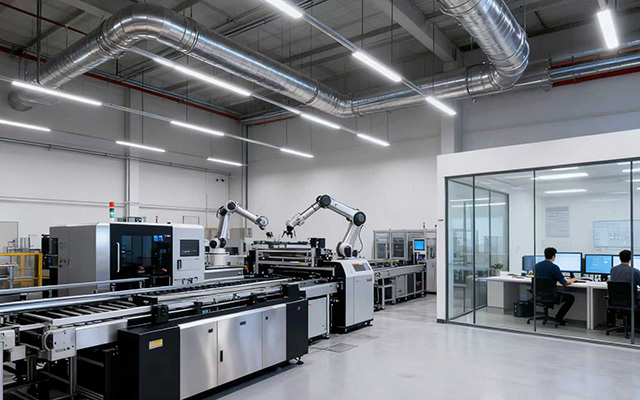
Fujian SK Battery Co., Ltd. was established in 2021 and is located in Fujian, the center of China's new energy industry. Benefiting from convenient transportation and the comprehensive supply chain resources of this global industrial hub, we leverage elite-tier processing systems and automated manufacturing lines to deliver consistent quality and highly competitive production cycles.
We specialize in Ni-MH batteries, Ni-Cd batteries, lithium iron phosphate (LiFePO4) batteries, ternary lithium batteries, and sodium-ion batteries. We provide tailored battery solutions for emergency lighting, solar lighting networks, wireless communication nodes, and smart home appliances. With deep expertise in diverse operational scenarios, we resolve the cold-climate challenges faced by international industries, delivering robust customized products, exact quality control, and unparalleled technical support.
Established
Cryogenic Limit
Automated QC
Global Export Ready
Analyzing the strategic advantages of China's supply chain ecosystem compared to localized production routes.
Chinese production clusters host over 70% of the world's battery material refining capacity. Access to top-tier synthetic graphite, advanced fluorinated electrolyte salts, and high-quality nickel/sodium precursor components allows us to consistently manufacture cells with optimal specifications.
Our facilities employ automated manufacturing procedures, dual-space environmental chambers, and high-precision testing systems. Every batch of low-temperature batteries undergoes strict cycling tests under sub-zero conditions to guarantee reliable field performance.
Fujian's advanced logistics corridors ensure seamless processing and rapid export. Our optimized production cycles allow us to fulfill bulk orders quickly, bypassing the manufacturing delays and raw material constraints common in smaller domestic markets.
Analyzing concrete deployment configurations across remote, high-stress cold zones.
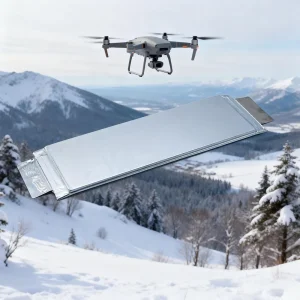
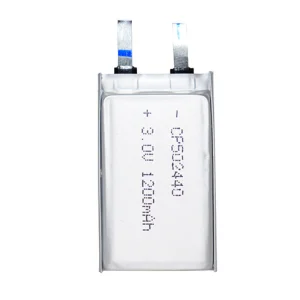
Unmanned aerial and ground vehicles (UAVs/UGVs) operating in high-altitude environments face intense cold and wind. Standard batteries fail quickly under these conditions. Our custom-made -80°C rechargeable pouch cells supply the high discharge rates and capacity retention needed to complete vital exploratory and surveying missions successfully.
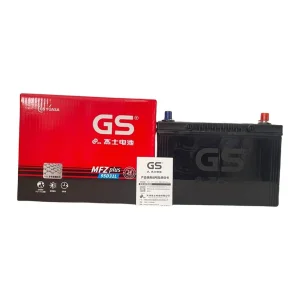
Heavy duty industrial transport and mining excavators in freezing northern areas depend on high cranking amps. Our low-temperature maintenance-free auto batteries and sodium-ion starting solutions provide exceptional cold cranking currents (CCA) at -40°C, ensuring reliable engine starts in extreme conditions.
Industrial cold storage facilities running at temperatures of -20°C and below require dedicated emergency lighting backup systems. Our low-temperature LiFePO4 battery options provide long service life and high safety, operating reliably without the capacity fade typical of generic storage systems.
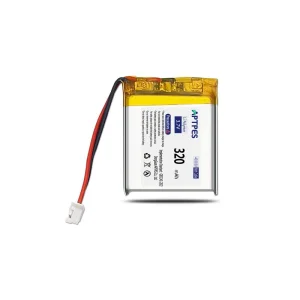
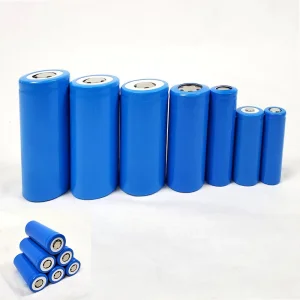
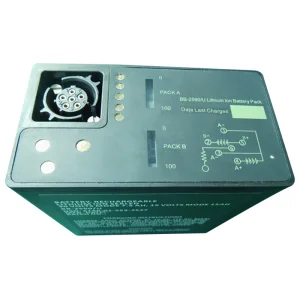
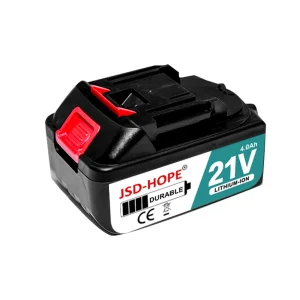
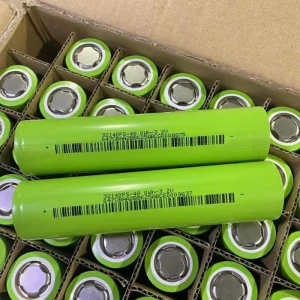
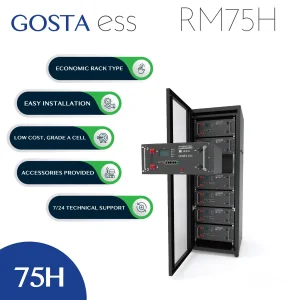
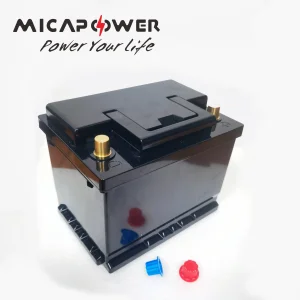
Explore our complete selection of sub-zero batteries, ranging from small cylindrical cells to heavy-duty industrial starting and backup systems.
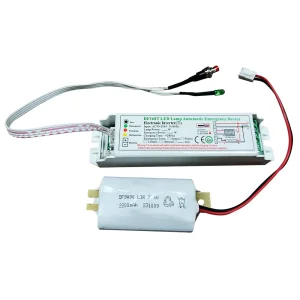
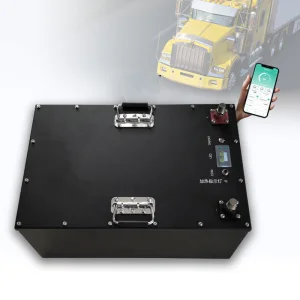
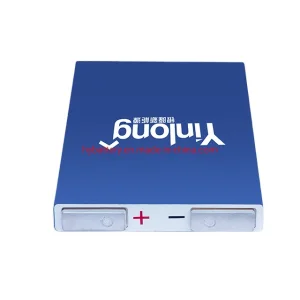
A step-by-step technical guide for sourcing low-temperature cells suited for extreme climates.
Selecting the right electrochemical configuration is key to performance. Lithium Titanate (LTO) provides exceptional longevity, handling over 10,000 charge cycles, and functions down to -40°C. Sodium-ion serves as a highly cost-effective option, offering reliable discharge at -40°C. Low-temperature LiFePO4 is highly stable, making it the ideal choice for solar storage and emergency backups down to -20°C.
For applications that experience regular sub-zero charging, select battery packs that integrate a smart Battery Management System (BMS) with self-heating film elements. This system routes a portion of the charging current to integrated heating foils, warming the core cells above 0°C before initiating charging. This safeguard prevents lithium plating and preserves long-term battery health.
Confirm all products have valid safety certifications, including UN38.3, CE, and MSDS. Cold-climate lithium and sodium batteries are regulated as Class 9 hazardous goods for international shipping. Ensuring proper compliance guarantees smooth logistics, safe handling, and hassle-free transit.
Technical answers to common questions about sub-zero battery operations and selection.
Standard liquid carbonates in standard battery electrolytes experience a sharp rise in viscosity in extreme cold, limiting lithium-ion transport. In addition, the insertion of lithium ions into the graphite anode slows down significantly. This triggers lithium metal plating on the anode surface, reducing capacity and creating safety risks from internal short circuits.
Sodium-ion (Na+) battery systems have lower activation energies and faster diffusion speeds within the cathode compared to conventional lithium options. Their customized electrolytes maintain low viscosity even at temperatures down to -40°C. This allows them to retain over 80% capacity in freezing conditions, providing a cost-effective, high-safety solution.
Charging standard lithium batteries below 0°C is highly hazardous as it causes aggressive lithium plating on the anode. To charge safely in freezing temperatures, batteries must use lower charging currents, use specialized electrolyte chemistry, or incorporate BMS pre-heating elements to warm the cells above 0°C beforehand.
Lifespan is highly dependent on the chosen battery chemistry. Low-temperature LFP cells typically provide between 2,000 and 3,000 operating cycles. Lithium Titanate (LTO) systems offer the longest life, withstanding over 10,000 full cycles, whereas sodium-ion options provide a balanced 1,500 to 2,500 cycles depending on the discharge rate.
 SK Battery