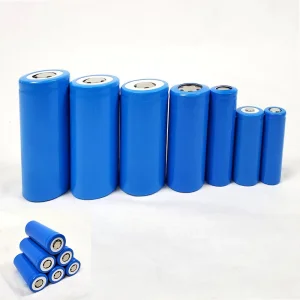
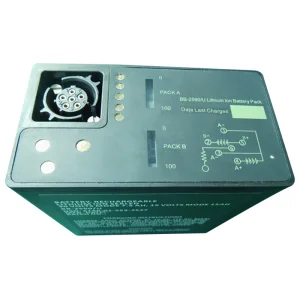
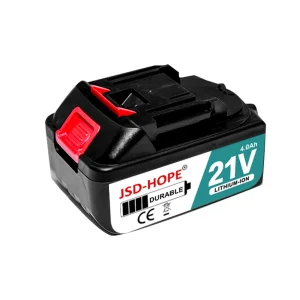
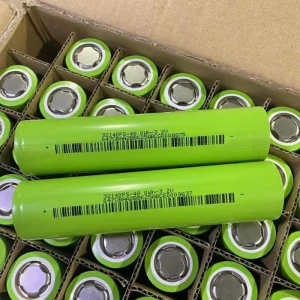
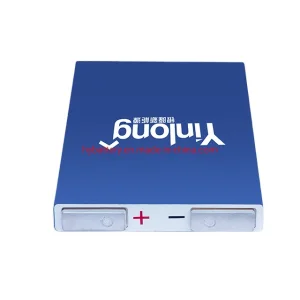
Jordan, known for its diverse climate, presents unique challenges for energy storage systems. While widely perceived as arid, the kingdom experiences significant temperature fluctuations, especially in the high-altitude regions of the Southern Highlands and during the harsh desert winters at night. For industries relying on critical infrastructure—such as cold chain logistics, solar-powered communication arrays, and emergency medical equipment—standard battery chemistries often suffer from capacity degradation, increased internal resistance, and voltage drop under these extreme conditions. As a leading manufacturer and exporter, Fujian SK Battery Co., Ltd. addresses these specific friction points through advanced electrochemical engineering.
Our research and development trajectory focuses on the "Cryogenic Energy Resilience" (CER) framework. Conventional lithium-ion batteries rely on liquid electrolytes that become viscous at sub-zero temperatures. Our R&D team has pioneered technical routes to overcome this:
Fujian SK Battery Co., Ltd. leverages the "China 4.0" manufacturing paradigm. Our operations in Fujian are not merely assembly lines but integrated intelligent ecosystems. For global enterprises and Jordanian partners, this translates to:
We understand that entering the Jordanian market requires more than just high-quality hardware. We offer:
As Jordan pivots towards a digitized economy and sustainable energy, the demand for "smart" batteries will skyrocket. We are currently scaling our production capacity for Sodium-Ion batteries, which will be instrumental in balancing the intermittent nature of solar energy in the Middle East. By partnering with exporters like us, Jordanian businesses secure a competitive advantage—not just by purchasing power, but by investing in long-lifecycle, maintenance-free, and high-efficiency energy assets.
Q1: Why do standard Lithium batteries fail in cold temperatures?
A1: Electrolyte viscosity increases and ionic conductivity decreases at low temperatures, leading to "voltage sag" where the battery cannot deliver power fast enough, effectively reducing capacity by 30-50%.
Q2: Are Sodium-Ion batteries better than LFP for cold climates?
A2: In many scenarios, yes. Sodium-ion chemistry is inherently more stable at low temperatures and offers higher power output capabilities in cold environments compared to standard LiFePO4 cells.
Q3: Does Fujian SK Battery provide customized solutions?
A3: Absolutely. We offer bespoke engineering, including custom BMS programming, shape factor modifications, and terminal configurations to fit specific Jordanian industrial equipment.
 SK Battery