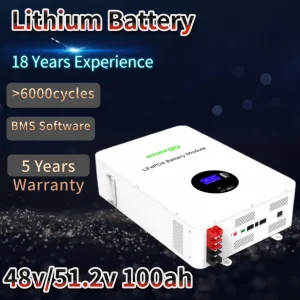
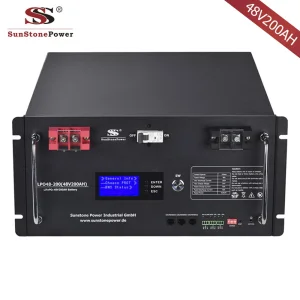
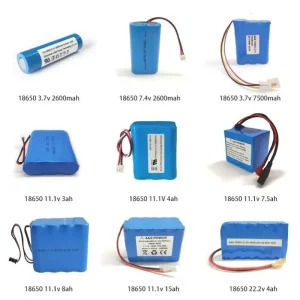
The global energy landscape is undergoing a radical shift toward intelligence and connectivity. In the center of this revolution lies the RS485 Communication Battery. As industries transition from simple energy storage to complex, managed power ecosystems, the demand for batteries that can "talk" to a central system has skyrocketed. RS485 (Recommended Standard 485) remains the backbone of industrial communication due to its robustness over long distances and immunity to electrical noise.
In the current commercial climate, RS485 communication batteries are no longer niche products; they are essential components for 5G telecommunications, Tier-4 data centers, and large-scale solar farms. From North America to the EU and Southeast Asia, enterprises are moving away from "dumb" batteries. The ability to monitor Real-time SOC (State of Charge), SOH (State of Health), and cell temperatures via the MODBUS protocol (standard for RS485) allows companies to reduce O&M (Operation and Maintenance) costs by up to 40%.
RS485 batteries allow for seamless integration into IIoT platforms, providing granular data that drives predictive maintenance algorithms.
Supporting up to 32 devices on a single bus, RS485 is ideal for massive battery banks in utility-scale energy storage systems (BESS).
The smart battery market is projected to grow at a CAGR of 15.5% through 2030, with RS485 being the most widely adopted wired protocol.
As a leading RS485 communication battery manufacturer, we have identified three major trends shaping the future of this industry:
Cycles in LiFePO4 Packs
Data Accuracy via RS485
Wide Temp Operations
Max Comm Distance
In remote areas, maintaining battery uptime is critical. RS485 allows central stations to monitor battery levels across thousands of sites without sending technicians, significantly lowering costs in vast regions like Australia or the Midwest US.
Hospitals use RS485 batteries for mobile medical carts and emergency backup. The precision of the RS485 communication ensures that power never fails during critical procedures.
In island nations or rural Africa, RS485 batteries synchronize with hybrid inverters to optimize energy harvest and distribution based on real-time load demand.
Automated Guided Vehicles (AGVs) in smart warehouses rely on RS485 to report battery health to the warehouse management system (WMS) for automated charging scheduling.
China has established itself as the global epicenter of battery technology. Specifically, factories in Fujian—the hub of China’s new energy industry—offer unparalleled advantages for global B2B buyers:
Fujian SK Battery Co., Ltd. was established in 2021 and is located in Fujian, the center of China's new energy industry. Benefiting from convenient transportation and the comprehensive supply chain resources.
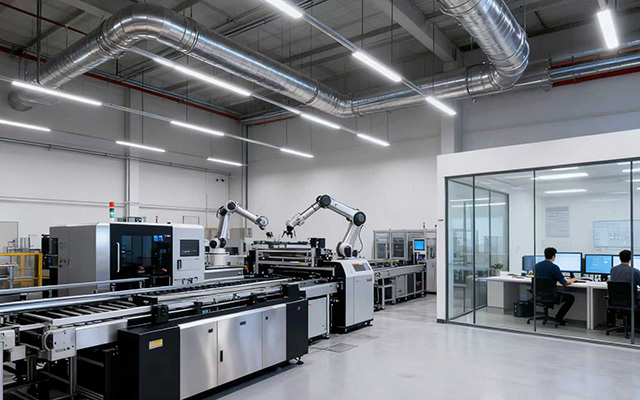
We specialize in Ni-MH batteries, Ni-Cd batteries, lithium iron phosphate batteries, ternary lithium batteries, and sodium-ion batteries, providing battery solutions for emergency lighting, solar lights, wireless communication, smart home systems. With deep expertise in battery application scenarios, we focus on solving core problems customers encounter during usage, offering professional technical support and services, as well as customized battery solutions to help clients achieve higher efficiency and greater value.
 SK Battery