In the current era of "Electrification of Everything," battery packs have transitioned from simple energy storage components to sophisticated, intelligent power management systems. The global landscape of battery pack manufacturing is undergoing a paradigm shift driven by Information Gain—where the integration of AI-driven BMS (Battery Management Systems) and advanced material science creates significant competitive advantages.
As a leading exporter, understanding the hierarchy of "Top 10 Manufacturers" requires looking beyond sheer volume. It demands an analysis of E-E-A-T principles: the depth of field experience, the precision of chemical expertise, the authority in safety certifications, and the trustworthiness of long-term warranty fulfillment. Today's market is no longer just about lead-acid vs. lithium; it's about the optimization of energy density, thermal stability, and lifecycle cost-efficiency.
Wh/kg Energy Density
LFP Cycle Life
BMS Efficiency
Thermal Runaway Risk
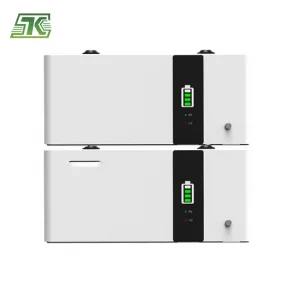
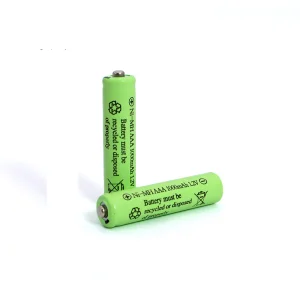
Fujian SK Battery Co., Ltd. was established in 2021 and is located in Fujian, the center of China's new energy industry. Benefiting from convenient transportation and the comprehensive supply chain resources.
We specialize in Ni-MH batteries, Ni-Cd batteries, lithium iron phosphate batteries, ternary lithium batteries, and sodium-ion batteries, providing battery solutions for emergency lighting, solar lights, wireless communication, smart home systems. With deep expertise in battery application scenarios, we focus on solving core problems customers encounter during usage, offering professional technical support and services, as well as customized battery solutions to help clients achieve higher efficiency and greater value.
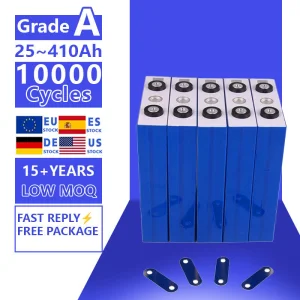
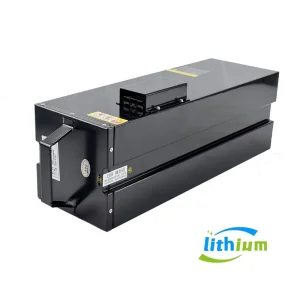
Lithium Iron Phosphate continues to lead the industrial and commercial energy storage market due to its inherent safety and long cycle life. Future roadmaps focus on "LMFP" (Lithium Manganese Iron Phosphate) to increase energy density by 15-20% without compromising safety.
As lithium prices fluctuate, Sodium-ion (Na-ion) technology is maturing. It offers superior low-temperature performance and faster charging capabilities, making it the ideal candidate for micro-mobility and stationary storage in cold climates.
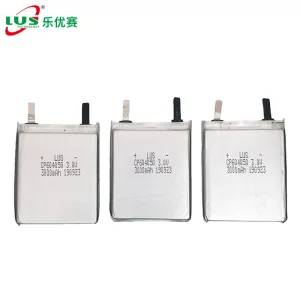
The "Holy Grail" of battery tech. While still in pilot stages for large-scale packs, semi-solid-state batteries are already entering the high-end EV and specialized industrial sectors, promising to double energy density and eliminate flammable electrolytes.
Modern battery pack manufacturers must provide holistic "Energy Ecosystems" rather than standalone hardware. We categorize these solutions into four critical pillars:
Focusing on peak shaving and valley filling. Our 215kWh cabinet systems allow factories to reduce electricity costs by utilizing stored solar energy during peak demand hours.
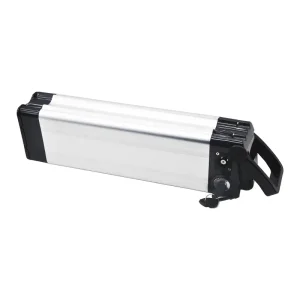
From golf carts and forklifts to electric boats. These require high-discharge rates (C-ratings) and vibration-resistant casing, often demanding IP67 or IP68 ratings for marine environments.
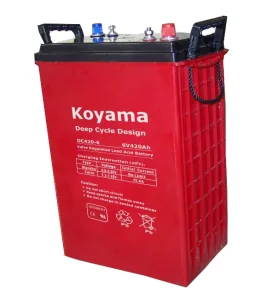
Zero-millisecond switching for data centers and 5G base stations. Using VRLA Gel and LiFePO4 to ensure 99.999% uptime for global communication networks.
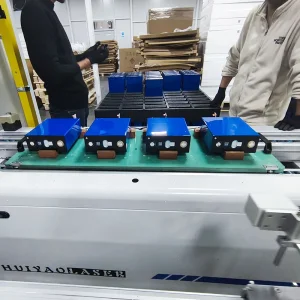
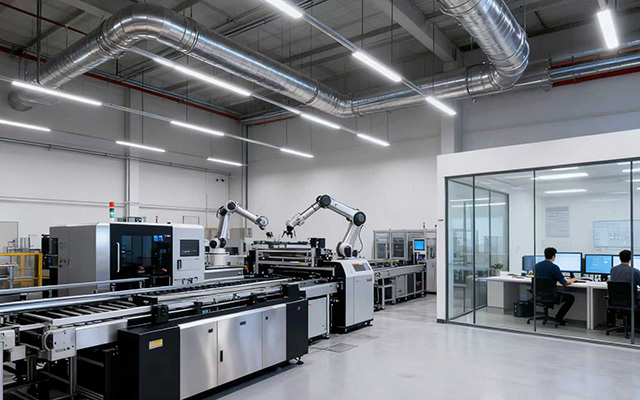
The reason Fujian, China, has become the global epicenter of battery production lies in Vertical Integration. In a "Factory 4.0" environment, the manufacturing process is a closed-loop system:
Navigating international trade in the energy sector requires a deep understanding of regional regulations. As a top-tier exporter, we ensure every pack meets the following benchmarks:
Safe Transport
Safety Standards
Eco-Friendly
Industrial Li-ion
Beyond certifications, Localization Support means providing technical manuals in multiple languages, 24/7 remote BMS monitoring, and local warehousing in Europe and North America to facilitate rapid replacements.
 SK Battery