Basic Info.
Discharge Rate
Low Discharge Rate
Service Life
More Than 20 Years
Product Description
⚡ Key Specifications:
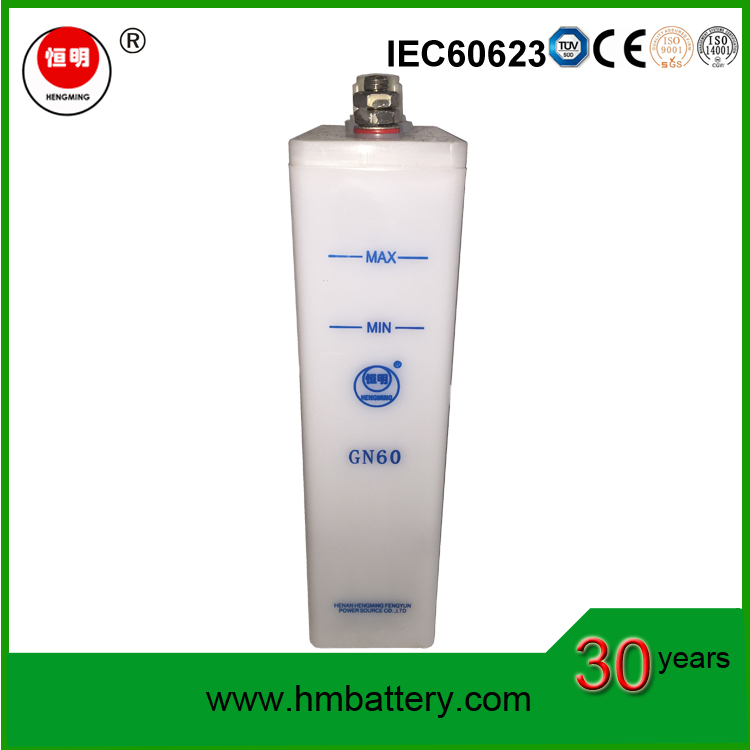
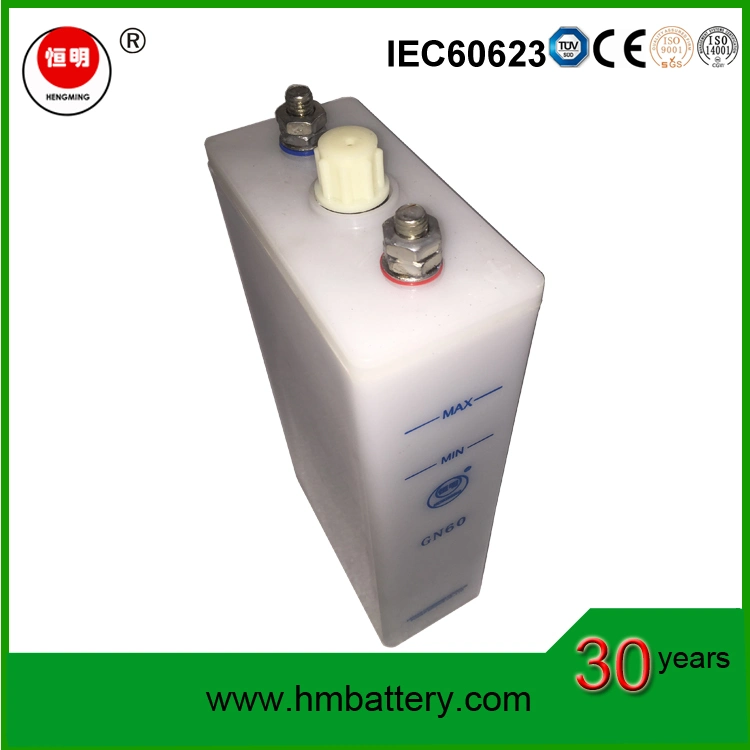
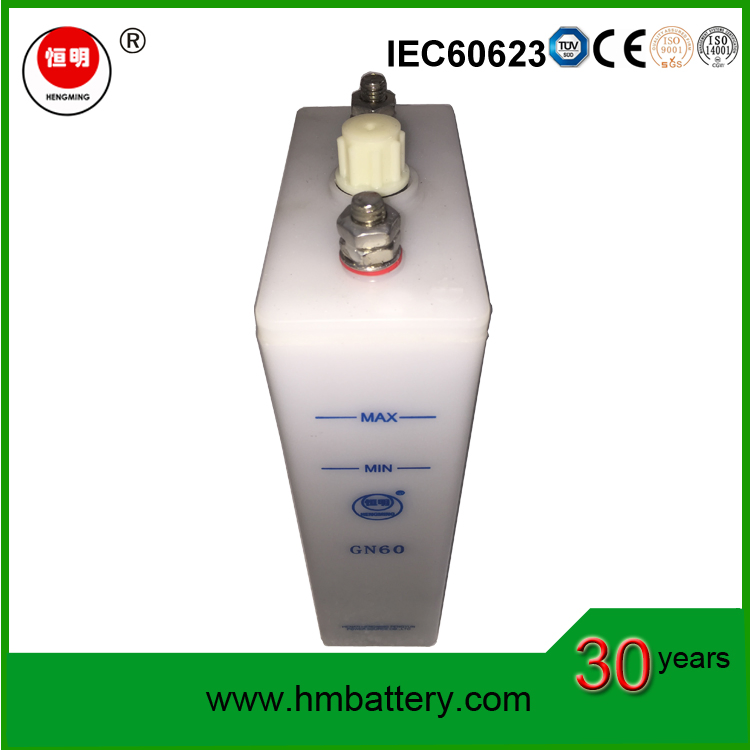
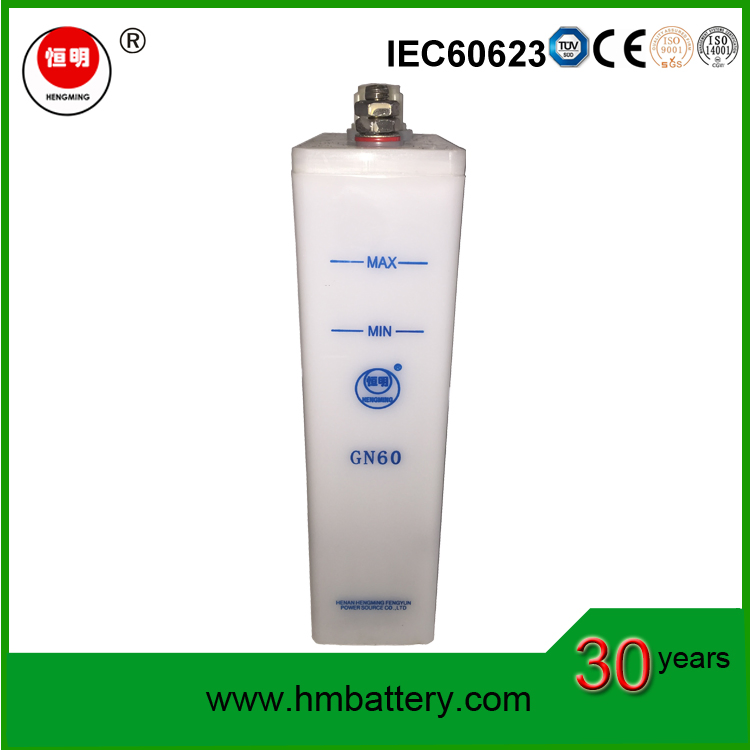
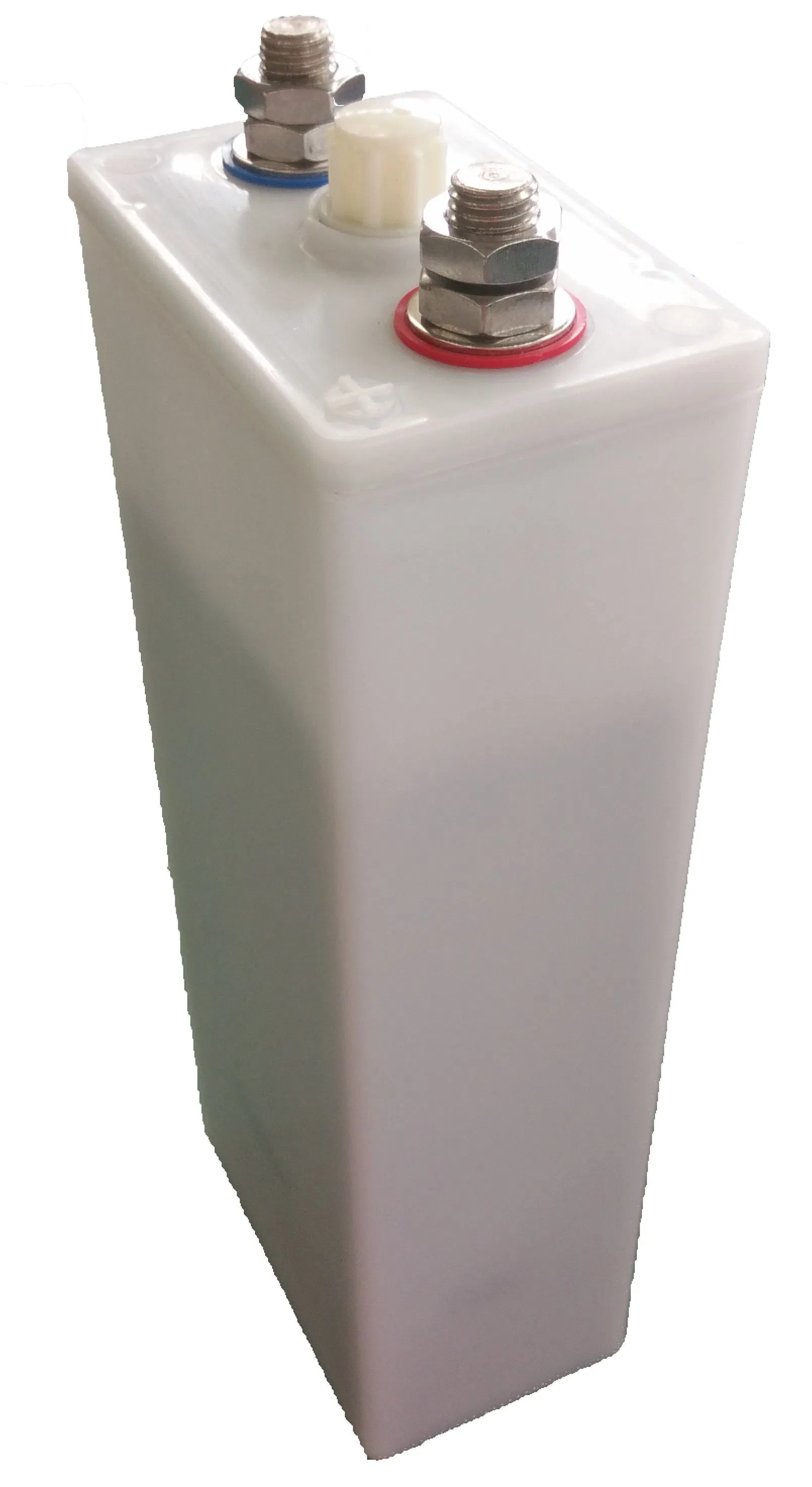
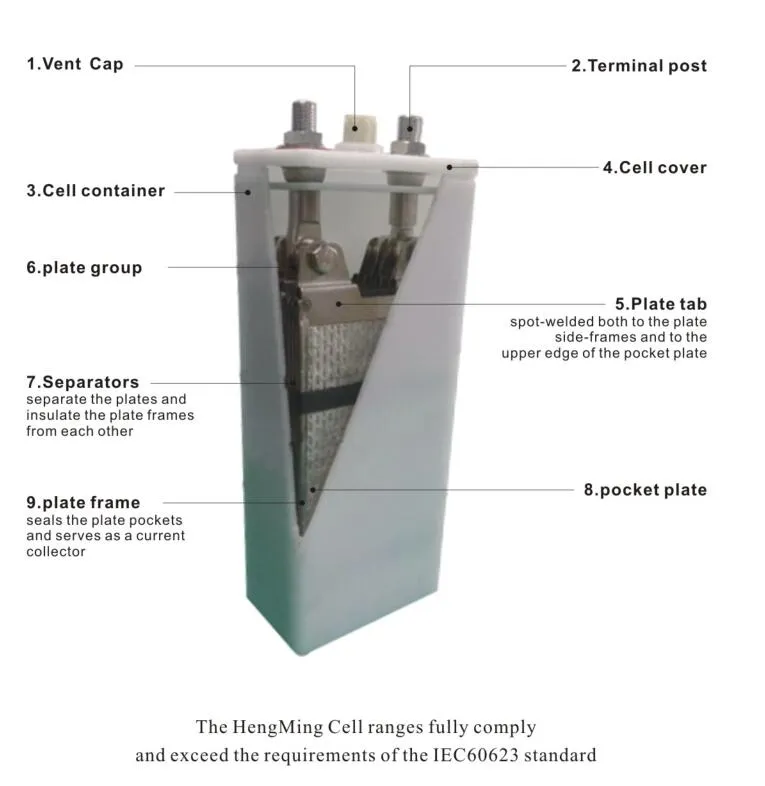
1. Cell type: GN60=KPL60 (Low rate discharge nickel cadmium battery)
2. Rated capacity: 60AH
3. Nominal voltage: 1.2V
4. Container material: PP
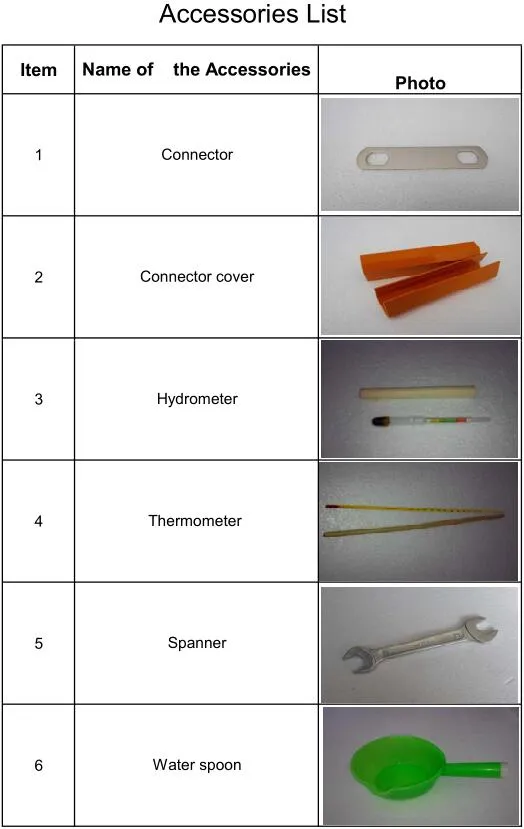
5. Delivery: Dry battery with electrolyte accessories.
Technical Parameters
| Cell Type |
Voltage (V) |
Capacity (Ah) |
L (mm) |
W (mm) |
H (mm) |
Pole Thread |
Weight (kg) |
Material |
| GN60 |
1.2 |
60 |
141 |
71 |
295 |
M10*1.5 |
4.0 |
PP |
| GN100 |
1.2 |
100 |
139 |
79 |
362 |
M10*1.5 |
6.0 |
ABS/PP |
| GN200 |
1.2 |
200 |
167 |
162 |
345 |
M20×1.5 |
14.0 |
ABS/PP |
Key Advantages
✓ Wide operating temperature range: -25 °C to 45 °C
✓ Exceptionally long service life: Over 20 years
✓ High resistance to mechanical and electrical abuse
✓ Low maintenance and total cost of ownership
✓ Excellent charging efficiency and smooth discharge voltage
Applications
Pocket plate batteries are optimized for various discharge requirements:
- High Rate (KPH): Engine Starting, UPS, Switchgears (Under 60 mins).
- Medium Rate (KPM): Process Control, Turbine Starting, Electric Trains.
- Low Rate (KPL): Railway Signalling, Telecommunications, Alarms (Over 120 mins).
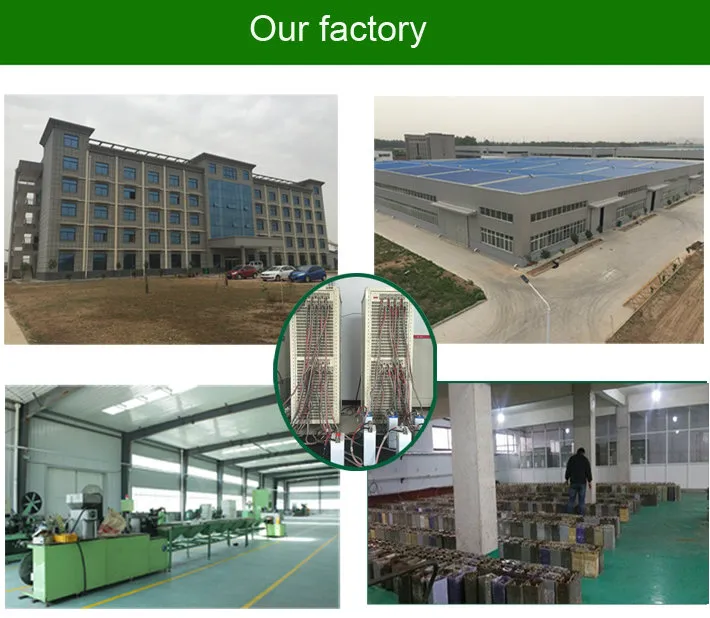
Production & Packaging
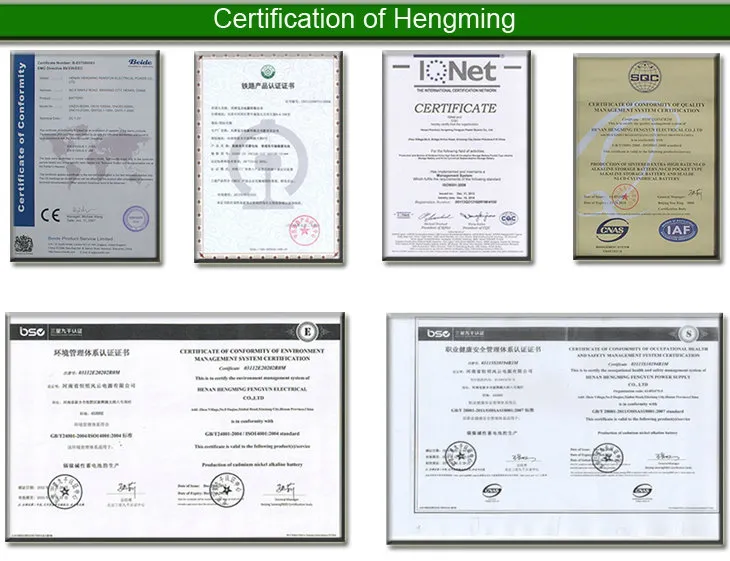
Certification
Frequently Asked Questions
Q1: What is the average service life of a Ni-Cd battery?
A: These batteries offer an exceptionally long service life, typically exceeding 20 years in float charge applications.
Q2: How are the batteries packed for shipping?
A: Batteries are securely packed in polywood cases. Electrolyte (powder or wet) is sent along with necessary accessories.
Q3: Can these batteries operate in extreme temperatures?
A: Yes, they feature a wide operating temperature range from -25°C to 45°C.
Q4: What is the cycle life of the cells?
A: The cycle life is not less than 900 cycles, significantly exceeding the standard 500-cycle IEC requirement.
Q5: Which rate design should I choose for UPS applications?
A: For UPS (back up time less than 60 mins), High Rate (KPH) batteries are typically recommended.
Q6: Are there different container materials available?
A: Yes, we provide both PP and ABS container materials depending on specific model requirements.
 SK Battery