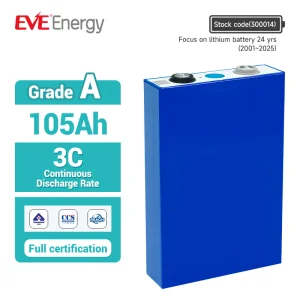
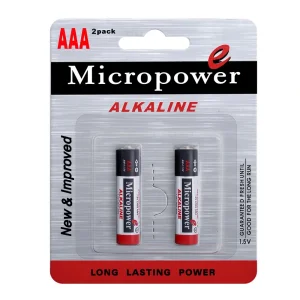
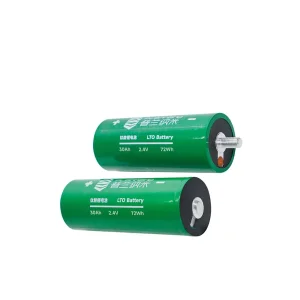
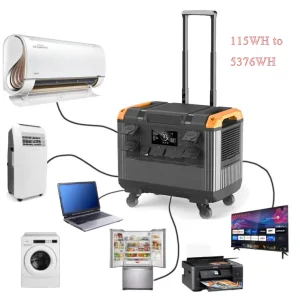
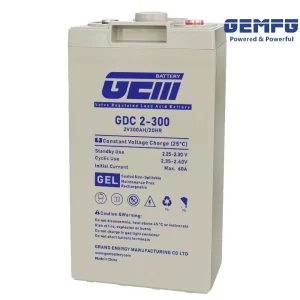
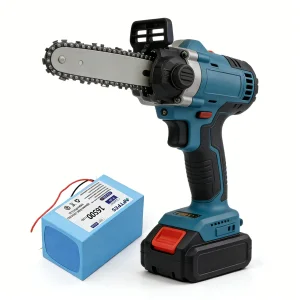
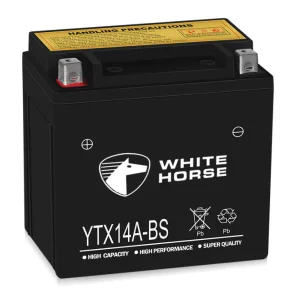
Pioneering industrial cells, portable power systems, and specialized motive energy configurations built for peak performance.
In the rapidly changing global energy landscape, the lead-acid storage battery remains a cornerstone of industrial backup, automotive starting, and grid-scale stabilizing power. While lithium-ion chemistries have occupied major headlines regarding consumer electronics and electric passenger vehicles, lead-acid technology continues to dominate critical industrial infrastructure. According to global energy storage research, lead-acid batteries maintain over 70% of the market share in stationary backup applications due to their exceptional safety profiles, lower initial capital expenditure (CAPEX), and an unmatched cradle-to-cradle recycling loop.
Information Gain Indicator: Unlike alternative chemistries, lead-acid has a global recycling efficiency exceeding 99% in major markets, making it the most sustainable choice under stringent Corporate Social Responsibility (CSR) and ESG mandates.
For procurement professionals, identifying the top manufacturers requires a granular understanding of electrochemical standards, factory scaling capacities, and regulatory compliance structures. As industrial microgrids scale and telecommunication towers transition to 5G, the demand for high-rate, deep-cycle, and low-maintenance batteries like Valve-Regulated Lead-Acid (VRLA), Absorbent Glass Mat (AGM), and tubular Gel cells continues to skyrocket.
Evaluating lead-acid storage battery factories requires more than a simple price-per-kilowatt-hour comparison. To mitigate risks in long-term infrastructure projects, sourcing teams must inspect the following electro-mechanical indicators:
| Battery Chemistry | Optimized Sourcing Application | Expected Design Life | Key Maintenance Requirement |
|---|---|---|---|
| Absorbent Glass Mat (AGM) | UPS systems, standby telecom, starter batteries | 5 - 10 Years | Temperature regulation (Float charge adjustments) |
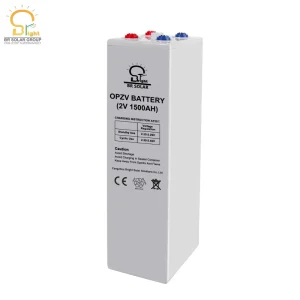
| Tubular Gel (OPzV) | Solar ESS, remote telecom, microgrids | 15 - 20 Years | Minimal maintenance, ideal for high temperature ambient climates |
| Lead-Carbon (Pb-C) | Partial State of Charge (PSoC) grids, hybrid energy systems | 12 - 15 Years | High charge acceptance management, cycling settings calibration |
Understanding the core internal designs helps procurement officers align factory capability with real-world deployments. The industry’s technological roadmap focuses heavily on reducing active material sulfation—the primary degradation mechanism of lead-acid cells in partial state of charge (PSoC) environments.
Features ultra-fine fiberglass separators saturated with sulfuric acid electrolyte. The glass mat configuration maintains tight physical pressure against the active plates, minimizing plate shedding and optimizing high-current transient discharge. Ideal for critical UPS start-up phases.
Uses silica dust mixed with acid to create a solid, gel-like substance. This eliminates liquid stratification issues and provides superior thermal dissipation. Gel batteries are highly resilient in elevated ambient temperatures and long-duration, low-current discharges.
Injects highly conductive carbon matrices into the negative active mass. This significantly enhances charge acceptance and dramatically reduces the risk of sulfation under rapid cycle charging regimes. Excellent for microgrids requiring irregular solar-energy capture.
Leveraging China's Premier New Energy Manufacturing Hub for Diversified Electro-Chemical Solutions
Established in 2021, Fujian SK Battery Co., Ltd. is strategically located in Fujian, the global epicenter of China's high-tech new energy industry. Benefiting from convenient maritime transportation links, state-of-the-art port facilities, and comprehensive regional supply chain resources, the facility has grown into an international powerhouse for specialized battery cells.
Fujian SK Battery Co., Ltd. excels at solving the complex thermal, structural, and chemical challenges that engineers encounter in high-demand field scenarios. While lead-acid products form a critical baseline for industrial reliability, the factory has strategically integrated advanced chemistries to meet modern green energy goals.
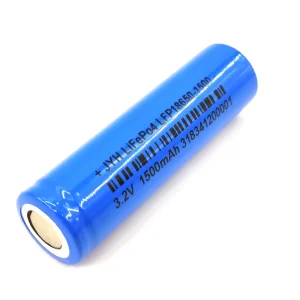
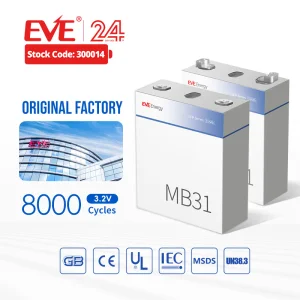
"We specialize in Ni-MH batteries, Ni-Cd batteries, lithium iron phosphate (LiFePO4) batteries, ternary lithium batteries, and sodium-ion batteries, providing customized battery solutions for emergency lighting, solar lights, wireless communication, and smart home systems."
By working with Fujian SK Battery Co., Ltd., global enterprises gain access to customized engineering consultation, rapid packaging prototyping, and optimized supply channels. This comprehensive support structure ensures that each client system operates at maximum efficiency and delivers the highest return on investment.
Global shipping of lead-acid and lithium-based batteries requires strict compliance with international safety and transport rules. Because lead is a heavy metal and batteries carry electrical charges, failure to meet shipping and regional safety standards can result in severe logistical penalties and project delays. Sourcing teams must verify that factories have the proper certifications:
Providing information gain on operational mechanics, lifetime optimization, and application considerations.
As a general rule, for every 8°C (15°F) rise in operating temperature above the nominal 25°C baseline, the life of a VRLA battery is halved. Elevated temperatures speed up grid corrosion and cause the electrolyte to dry out. In harsh climates, purchasing tubular Gel batteries or using temperature-compensated chargers is vital for protecting the system's design life.
Float service refers to applications where the battery remains under a constant charge and is rarely discharged, such as emergency UPS systems. Cyclic service involves regular charge and discharge cycles, which is common in solar microgrids. Sourcing teams must ensure the manufacturer uses appropriate plate thickness and active material densities designed for the target application.
Lead-Carbon batteries offer a highly cost-effective, safer, and more recyclable alternative to Lithium-ion in stationary applications where physical space and weight are not major constraints. They handle partial state of charge (PSoC) cycles exceptionally well, but Lithium-ion still holds a clear advantage in terms of energy density and fast charging capability.
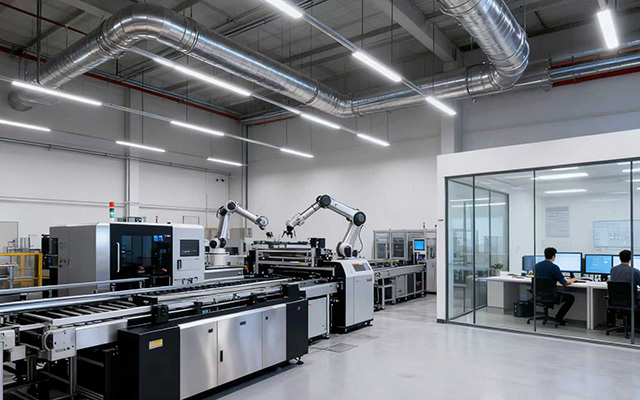
A robust quality control process includes: spectroscopic analysis of the lead ingot purity (demanding 99.994% minimum), computer-controlled plate pasting to ensure uniform weight, vacuum curing to prevent micro-fissures, helium leak testing of the sealed containers, and an automated high-current discharge test before final packaging.
Explore our diverse selection of industrial gel batteries, specialized smart meter cells, high-temperature solutions, and RV accessories.
 SK Battery