Industry-proven power components ready for commercial scale integration, featuring advanced BMS protection and certified safety standards.
The urban micro-mobility revolution is driving an unprecedented global demand for robust, energy-dense, and highly safe electric bike (e-bike) batteries.
As cities globally pivot towards decarbonized transport systems, legislative measures such as the EU Green Deal and the USA Inflation Reduction Act are enforcing strict parameters on battery efficiency, lifespan, and safety. E-bikes are no longer classified merely as personal recreation units; they are vital urban logistical tools, micro-delivery vehicles, and primary utility transport options.
Consequently, the engineering requirements for battery packs have risen exponentially. Industrial buyers must optimize their platforms for high energy density, deep cycle life, and thermal tolerance. Transitioning from traditional chemistries to advanced Lithium-ion (NMC/LFP) and promising Sodium-ion technologies is essential to meet strict performance metrics across global markets.
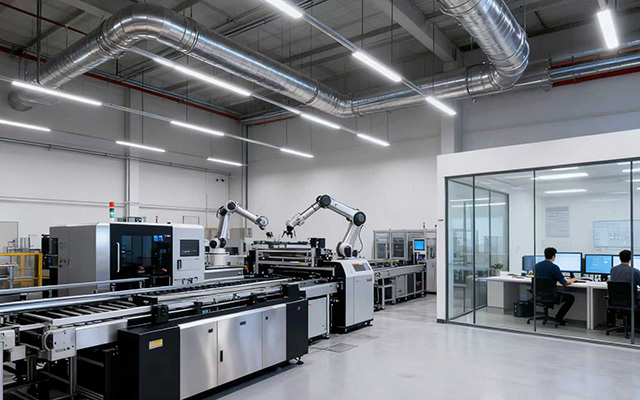
Delivering cutting-edge power storage solutions from the epicenter of China’s new energy manufacturing zone.
Fujian SK Battery Co., Ltd. was established in 2021 and is located in Fujian, the center of China's new energy industry. Benefiting from convenient transportation and comprehensive supply chain resources, we are uniquely positioned to serve international OEMs, fleet managers, and electronic product distributors with optimal speed and technological authority.
We specialize in Ni-MH batteries, Ni-Cd batteries, lithium iron phosphate (LiFePO4) batteries, ternary lithium batteries, and sodium-ion batteries, providing battery solutions for emergency lighting, solar lights, wireless communication, smart home systems, and specialized micro-mobility applications. With deep expertise in battery application scenarios, we focus on solving core problems customers encounter during usage, offering professional technical support and services, as well as customized battery solutions to help clients achieve higher efficiency and greater value.
Comprehensive options including LiFePO4 for thermal safety and extreme life cycle, Lithium-ion NMC for maximum range, and Sodium-ion for cold climates and cost efficiency.
Integrated Smart Battery Management Systems providing real-time over-current, over-charge, over-discharge, short-circuit, and thermal monitoring with CAN/UART/Modbus protocols.
Custom IP67 waterproof-rated impact casings optimized for drop prevention, vibration resistance, and seamless physical e-bike frame integration.
Why Fujian and broader Chinese ecosystems remain the global benchmark for e-bike battery engineering and logistics.
China controls over 70% of the world's lithium refining capacity and more than 85% of global anode and cathode production. By sourcing directly from Fujian, the world's most concentrated new energy industrial belt, we gain access to unprecedented component availability and advanced engineering talent.
This localized supply chain cluster yields several critical advantages:
Every cell is matched within 5mV and 2mΩ variance before pack assembly, eliminating premature pack failure and ensuring long-term balanced cycles.
High-precision pure copper nickel-clad steel plating combined with automatic spot welding guarantees robust connections even during high vibrations on rough terrains.
State-of-charge (SoC) algorithms precisely track pack telemetry, preventing cell drift and protecting the battery from unexpected thermal runaways.
A comprehensive analysis of cell chemistry formulations designed for varying micro-mobility use cases.
| Battery Chemistry | Energy Density (Wh/kg) | Cycle Life (100% DoD) | Optimal Operating Temp | Safety Profile | Best Application Use Case |
|---|---|---|---|---|---|
| Lithium NMC (Ternary) | 200 - 260 | 800 - 1,200 | -20°C to 50°C | Moderate (Requires BMS) | Premium commuter E-Bikes, long-range cargo bikes |
| LiFePO4 (LFP) | 140 - 180 | 2,000 - 3,500 | -10°C to 60°C | Excellent (Highly Stable) | Commercial delivery fleets, rental E-Bikes |
| Sodium-ion (Na-Ion) | 110 - 150 | 1,500 - 2,500 | -40°C to 60°C | Very High (Thermal Stable) | Cold climate regions, low-cost commuter bikes |
| Ni-MH / Ni-Cd | 50 - 90 | 500 - 1,000 | -20°C to 60°C | High | Legacy power backup, safety signs, backup lighting |
Micro-mobility batteries are classified as Dangerous Goods (UN3480 Class 9). Exporting requires severe compliance testing protocols, quality control certificates, and robust packaging to ensure absolute safety during transport.
Our export facilities maintain strict alignment with global standards, guaranteeing swift customs clearances and uncompromised regulatory compliance for partners in North America, Europe, and Asia.
Every batch of batteries leaves our factory floor with comprehensive UN38.3 test summaries, Material Safety Data Sheets (MSDS), and sea/air transport certificate appraisals. Additionally, we work with global certifying agencies to verify individual pack designs under UL 2271 (standard for batteries in light electric vehicles) and EN 15194 (European EPAC safety guidelines).
Ensure the battery pack has a real UN38.3 report covering T1-T8 testing. Do not rely on cell-level certificates alone.
Specify thermal ratings appropriate for regional deployments (e.g., heating elements for Nordic winters, advanced ventilation designs for desert markets).
Modern commercial fleets require digital connectivity via CAN bus protocols to monitor real-time state of health (SoH) and location tracking.
Deep insights addressing practical engineering, logistical, and commercial inquiries from global buyers.
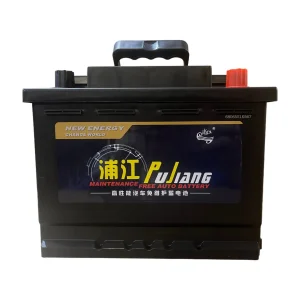
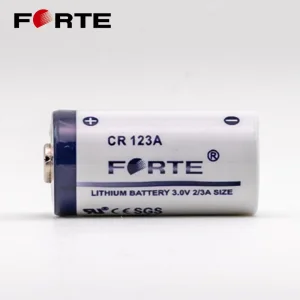
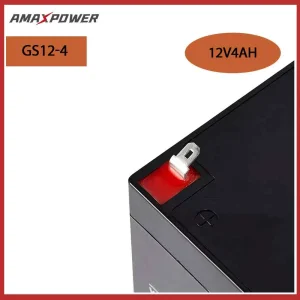
Explore our complete range of high-reliability lead-acid, lithium polymer, and deep cycle battery configurations.
 SK Battery