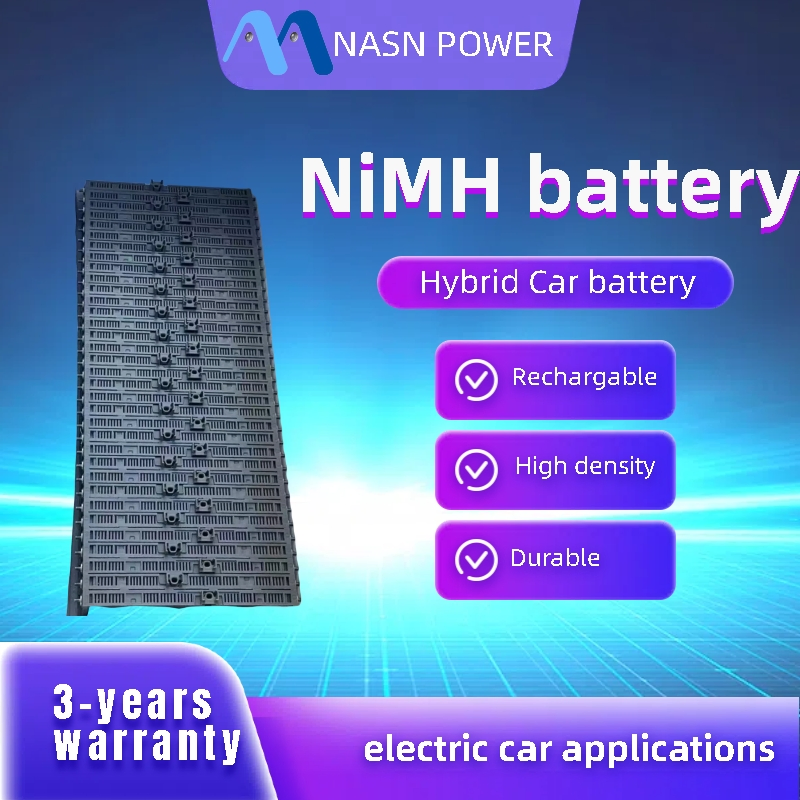
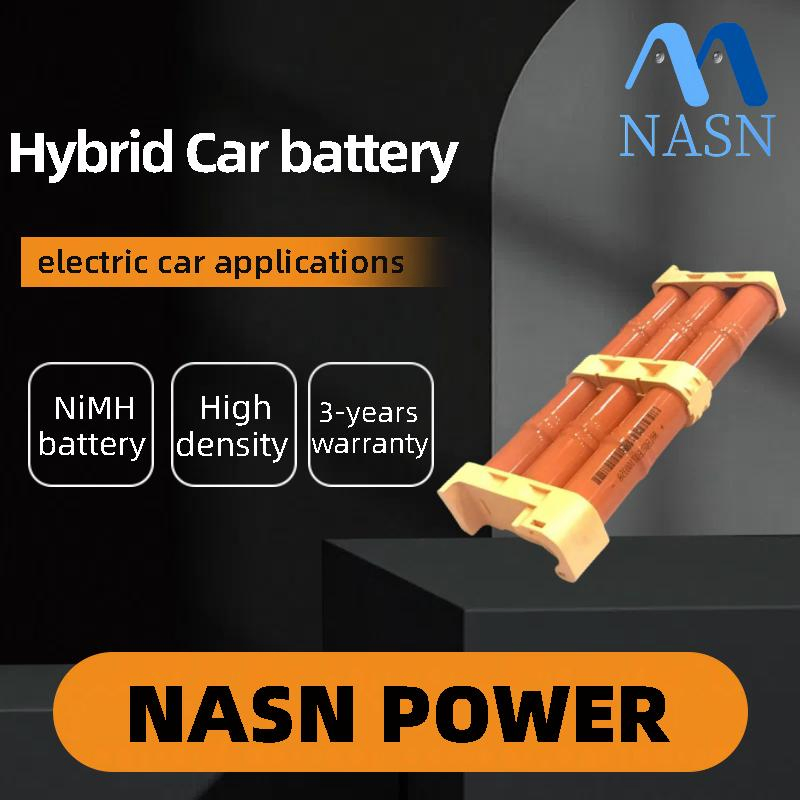
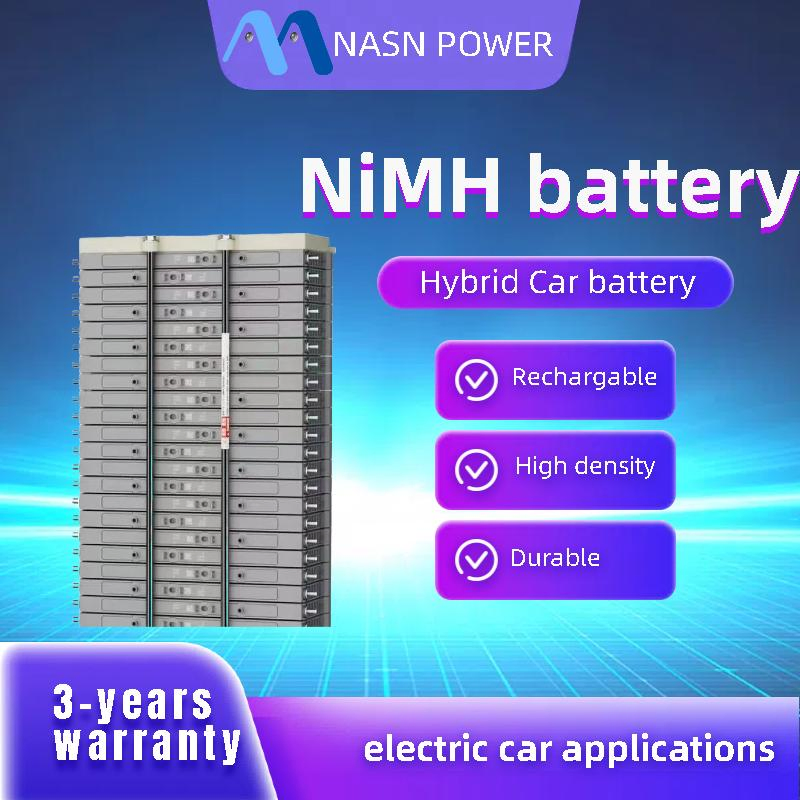
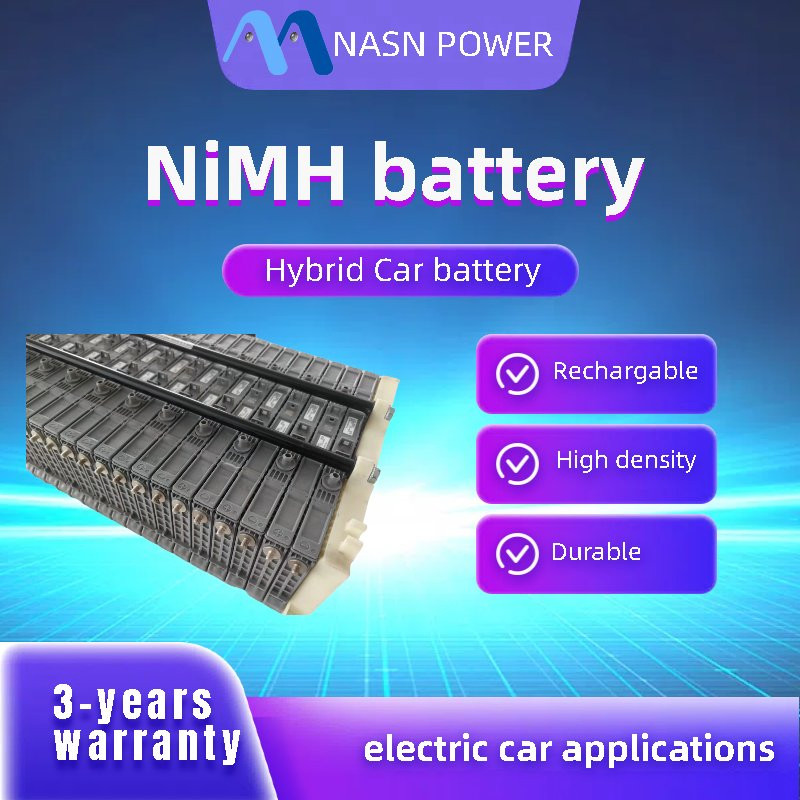
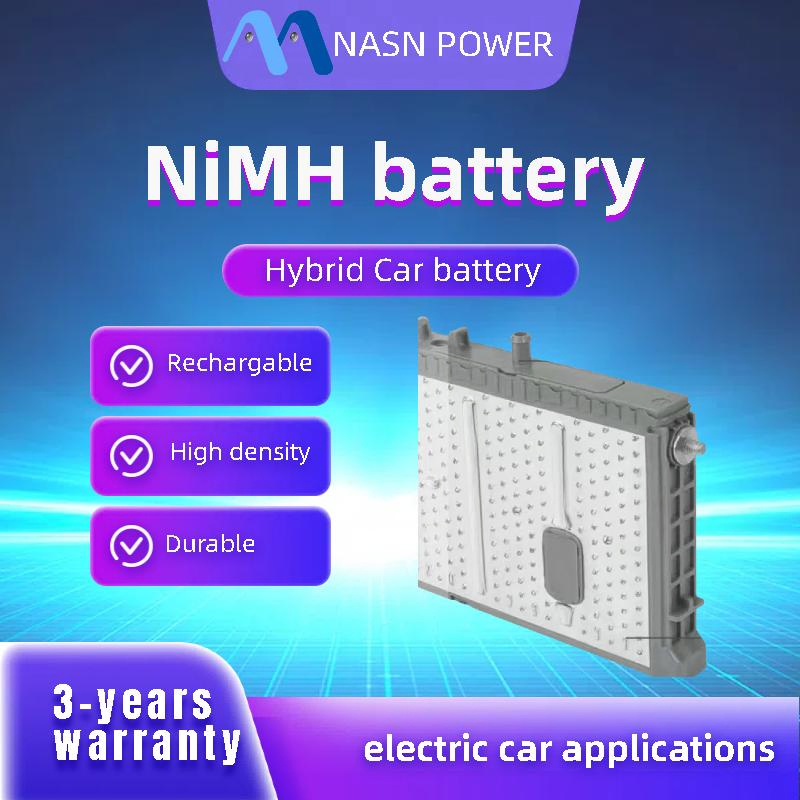
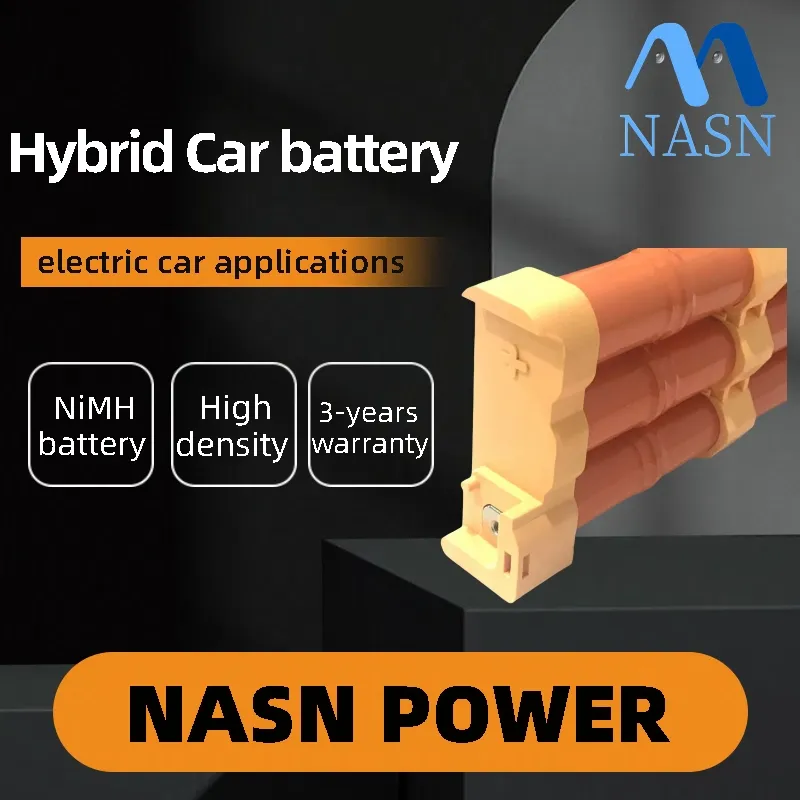
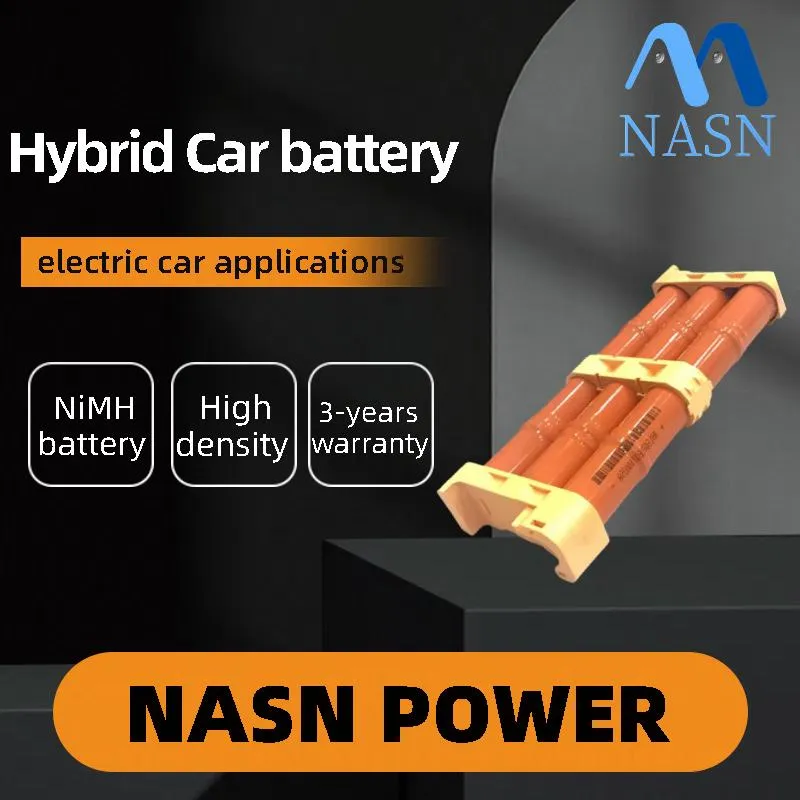
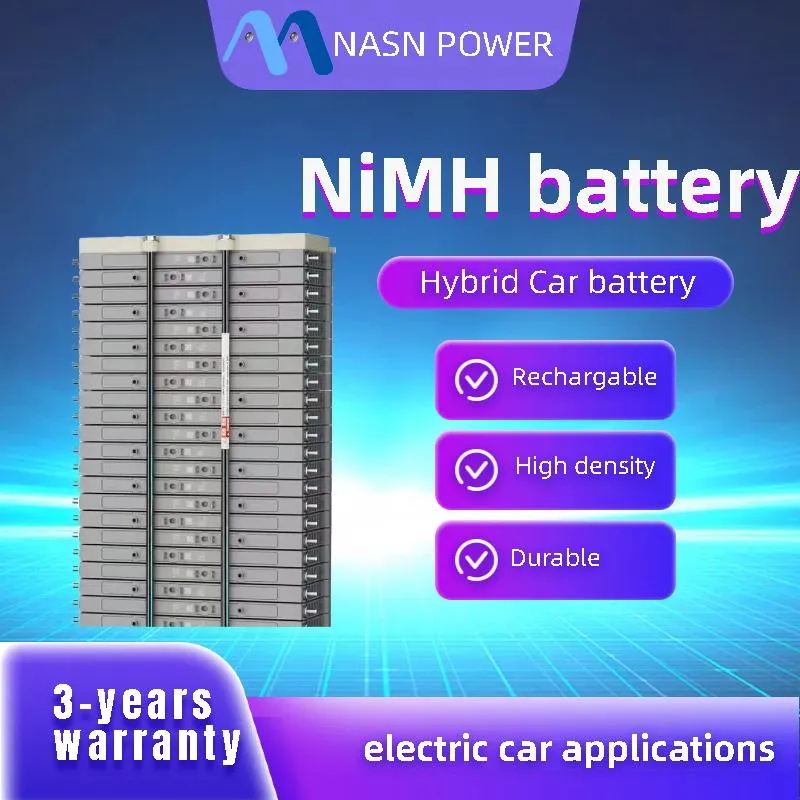
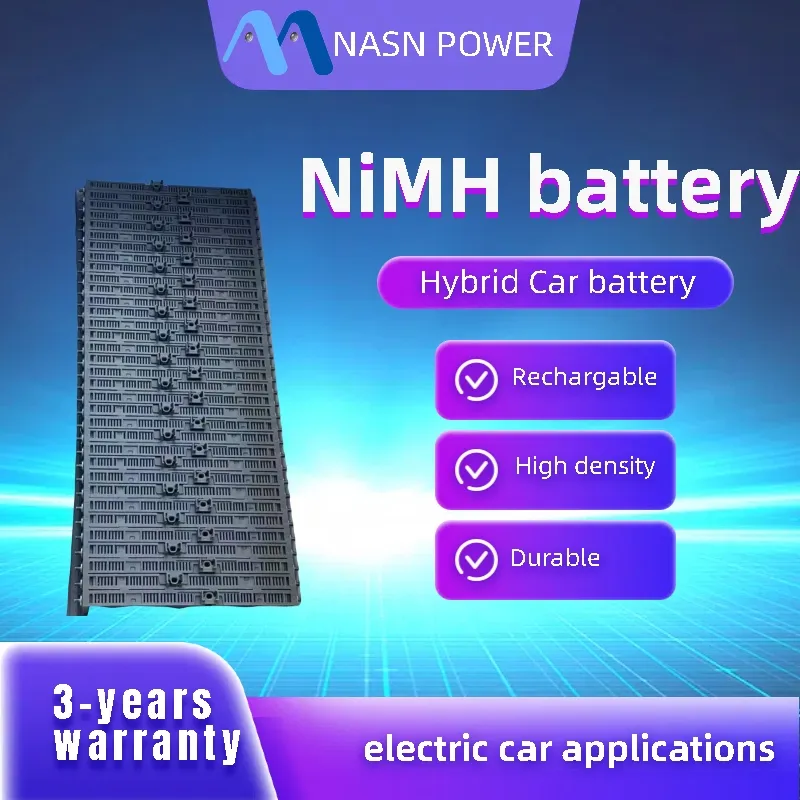
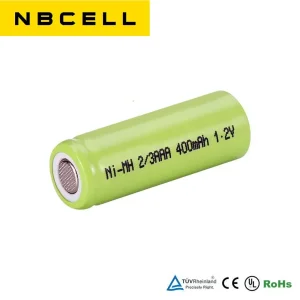
Nickel Metal Hydride Rechargeable Batteries 7.2V 6500mAh for Toyota Corolla Axio

Customization: Available
Type: Ni-MH/Ni-CD Battery Pack
Connection Mode: Series Connection

Product Description

Basic Info
Model NO.
CARSIS144
Rechargeable
Chargeable
Discharge Rate
High Discharge Rate
Size
Small
Accessories Type
Battery
Rated Capacity
>1000MAH
Standard Voltage
144V
Usage
Electric Car Applications
Electrolyte
Nickel-Cadmium Cell
Material
Nickel-Cadmium Cell
Charging Voltage
144V
Package
Carton Boxes
Used for
Hevs,Emerging Evs, and Fuel Cell Evs
Battery Type
Li-ion Battery
Capacity
6000mAh
Cycle Life
6000 Times
Energy Density
40
Product Description

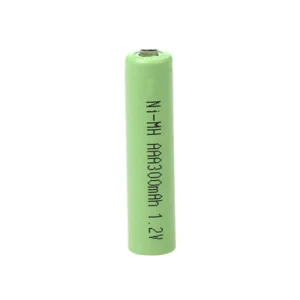
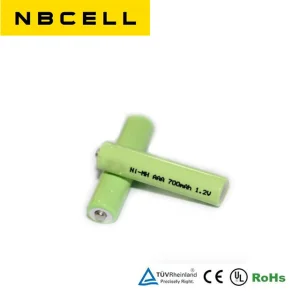
Nickel-metal hydride battery (NiMH or Ni-MH) is a type of rechargeable battery. Nickel-metal hydride (Ni-MH) batteries that use hydrogen storage alloys as the negative electrode material have drawn increased attention owing to their higher energy density both in terms of weight and volume, improved high-rate capability, and high tolerance to overdischarge.

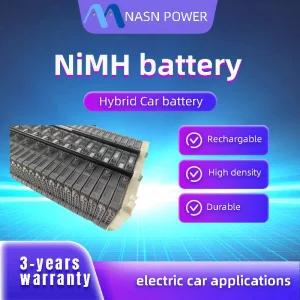
NiMH batteries are used in over 95% of all HEVs, emerging EVs, and fuel cell EVs. It's a type of electrical battery which can be charged, discharged into electric cars and recharged many times, as opposed to a disposable or primary battery.

The major advantage of Nickel Metal Hybrid Battery is the safety compared to Li-ion batteries. Furthermore, NiMH batteries are preferred in industrial and consumer applications due to their design flexibility, environmental acceptability, low maintenance, high power and energy densities, and most importantly safety in both charge and discharge modes.

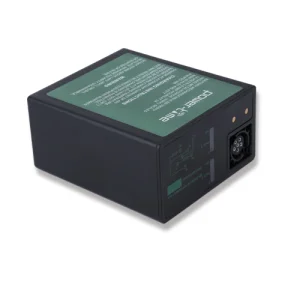
Type Nickel-Metal Hybrid Battery
Capacity6500mah
Normal voltage7.2V
Max continuous charging current120A
Operating voltage6.0V~9.0V
Power density>1450W/Kg
Max continuous discharging current210A
Internal Resistance≤14.4mΩ
Cautions
1. Charge in accordance with the product specification using the specified charger and temperature range.
2. Do not charge with only limited voltage and current.
3. Do not put the battery into fire or heat it.
4. Do not connect positive and negative poles with conductive substances like metals.
5. Do not dissect the battery.
6. Do not refit or damage batteries.
7. Do not solder the battery directly.
8. Do not contact with water, sea water, or other oxidants.
9. Do not hit, puncture or shock the battery.
10. Do not use batteries inconsistent with the equipment.
11. Inside strong alkali is corrosive; if contact occurs with eyes or skin, wash immediately with water and seek medical treatment.
12. If the battery fails, refer to the equipment warning and operation manual.
13. Turn off switches when not in use to avoid leakage. For long-term storage, ensure an open circuit.
14. Mixing different battery types, brands or charge states is strictly prohibited.
15. When using multiple batteries together, ensure they are in the same state.
16. Stop use immediately if abnormalities like heat or leakage occur.
17. Store in a dry, heat-dissipating environment (-20ºC to 35ºC) away from flammable materials.
18. Keep away from infants and children.
19. Activate the battery every six months if stored for long periods.
Product Features
  • Fast charging capability
  • Long cycle life for extended use
  • High discharge power output
  • Superior leakage resistance design
  • Completed rigorous safety tests (acupuncture, extrusion, short circuit, etc.)
Detailed Photos
Packaging & Shipping
Packaging
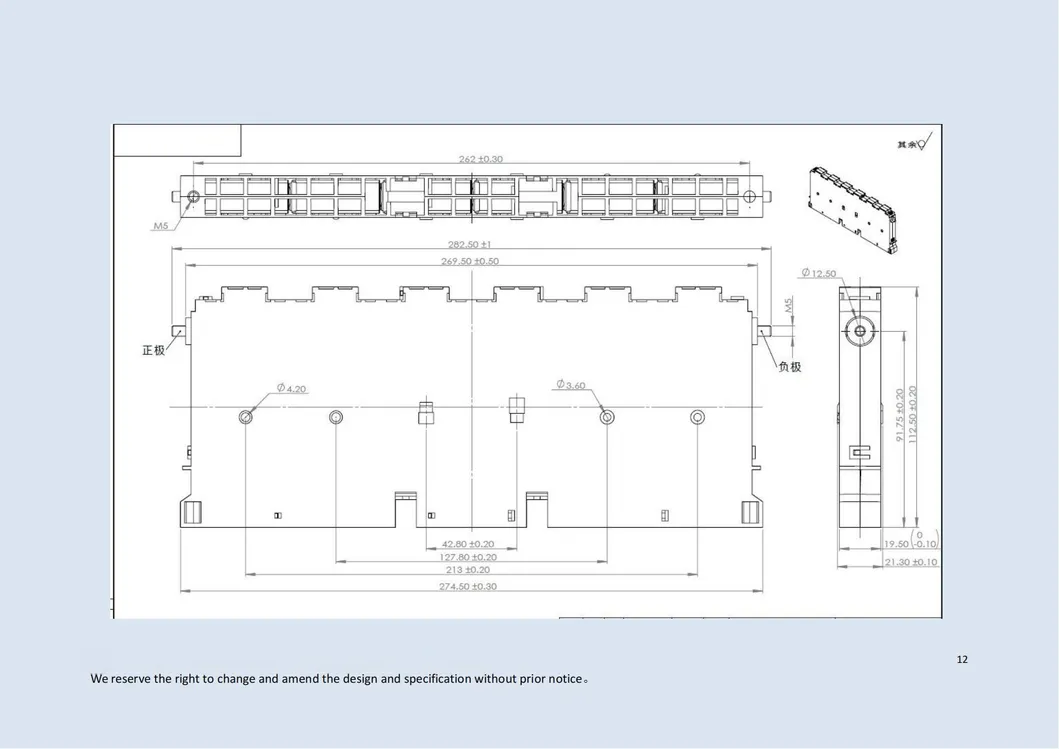
Dimension
Dimension Diagram
Related Solutions
Frequently Asked Questions
How do you ensure the quality of these batteries?
We maintain strict quality control through pre-production samples before mass production and a comprehensive final inspection before every shipment. Our production processes are certified to international standards like ISO9001.
What are the main advantages of NiMH batteries over Lithium-ion?
NiMH batteries offer superior safety with no reported major safety incidents in vehicle applications. They also provide excellent high-voltage performance, design flexibility, and high tolerance to overdischarge.
What is the recommended storage environment for these batteries?
Batteries should be stored in a dry, heat-dissipating environment with a temperature range between -20ºC and 35ºC. It is essential to keep them away from flammable or explosive materials.
Can these batteries be used for high-discharge applications?
Yes, these batteries are specifically designed for high-rate discharge capabilities, making them ideal for HEVs, electric cars, and industrial digital products.
What maintenance is required for long-term storage?
If a battery is not used for a long period, it must be activated every six months to maintain performance and prevent potential leakage or performance decline.
What safety tests have these products passed?
Our batteries have successfully completed a full suite of safety tests, including acupuncture, extrusion, vibration, short circuit, overcharge, and over-discharge testing.

Related Products