In today’s gadget-driven world, knowing how to charge a battery properly is essential. According to the Consumer Technology Association, improper charging contributes to a significant percentage of battery issues in devices. This can lead to decreased battery lifespan and performance. Reports show that nearly 30% of smartphone users experience rapid battery drain due to poor charging habits.
Battery technology is constantly evolving, yet many still overlook basic charging practices. For instance, charging a lithium-ion battery to full capacity may not always be ideal. Many experts suggest keeping the battery between 20% and 80% for optimal performance. Ignoring this simple guideline can lead to swelling and reduced lifespan.
Moreover, using subpar chargers can further complicate charging protocols. A study by the Electrical Safety Foundation International highlights that over 200,000 battery-related incidents occur yearly due to faulty charging. Taking the time to learn proper techniques not only improves battery health but can also enhance safety. Embracing best practices in battery care paves the way for more efficient technology use and fosters a sustainable environment.
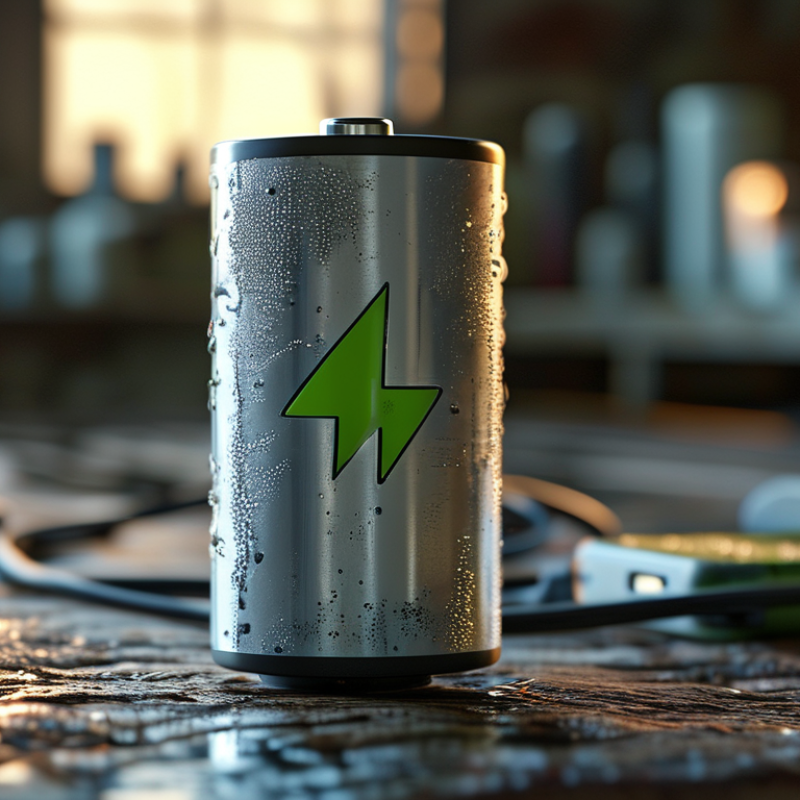
Understanding battery types is crucial for effective charging. Lead-acid batteries are commonly found in vehicles. They typically require a slower charge to avoid overheating. Research indicates that rapid charging can reduce their lifespan by up to 30%.
Lithium-ion batteries dominate consumer electronics. They can handle faster charging cycles but need to be charged within specific voltage ranges. Overcharging can lead to safety hazards. A comprehensive study from the National Renewable Energy Laboratory suggests keeping lithium-ion batteries at a 20-80% charge for optimal longevity.
Nickel-cadmium batteries, while less common now, need regular full discharges to prevent memory effect. This is an essential aspect of their care. Not addressing this could reduce their efficiency significantly. Inconsistent charging practices across different battery types highlight the need for tailored approaches. Charging a battery is not just about plugging it in; it requires understanding its specific needs.
Using the correct charger for your battery is critical. Many people overlook this key factor. Each battery type has specific charging requirements. Using the wrong charger may lead to overheating or damage. It may shorten the battery's lifespan. For optimal performance, always match the charger to the battery specifications.
Tip: Check the voltage rating. A mismatch can cause issues. Too high a voltage can burn out your battery. Conversely, too low a voltage may result in incomplete charging. Be aware of the current rating as well. Chargers with too high a current can cause your battery to swell or leak.
When charging, avoid extreme temperatures. Heat can degrade battery materials. Cold can slow down reactions inside the battery. Ideally, charge at room temperature. Also, ensure the connection is secure. A loose connection can lead to inefficient charging. These small mistakes can lead to greater problems in the future. Every detail matters in battery care.
| Tip Number | Charging Tip | Details |
|---|---|---|
| 1 | Use the Right Charger | Always use the charger specified for your battery type to avoid damage. |
| 2 | Avoid Overcharging | Disconnect the charger once the battery is full to prevent overheating. |
| 3 | Keep Connections Clean | Regularly clean the battery terminals to ensure good contact. |
| 4 | Charge in a Cool Environment | Avoid charging in high-temperature areas to prolong battery life. |
| 5 | Don’t Let Batteries Drain Completely | Recharging before the battery is fully drained can enhance lifespan. |
| 6 | Monitor Charging Duration | Set a timer to ensure you're not leaving it charging too long. |
| 7 | Use Smart Chargers | Smart chargers can automatically stop charging when full. |
| 8 | Check Battery Health Regularly | Assess the battery performance and replace it if necessary. |
| 9 | Avoid Extreme Temperatures | Keep batteries away from hot or freezing temperatures. |
| 10 | Follow Manufacturer Instructions | Always adhere to the guidelines set by the manufacturer for optimal charging. |
Charging lithium-ion batteries safely is crucial for their longevity and performance. To achieve this, avoid exposing them to extreme temperatures. Heat can degrade battery health quickly, while cold can hinder performance. Ideally, charge your battery in a cool, dry place. Keep an eye on the charging environment.
Using the right charger is equally important. Generic chargers may not meet the required specifications. They can cause damage or even create safety hazards. Always opt for a charger that matches your battery’s voltage and amp rating. Monitor the charging process regularly. Avoid overcharging, even if modern batteries have protections built-in. A little care goes a long way in maintaining battery lifespan.
Lastly, consider your charging habits. Nightly charging might seem convenient but can lead to a pattern of constant trickle charging. This increases wear over time. Instead, charge your battery when you can keep an eye on it. Taking simple, mindful steps can enhance your battery's performance and life.
Optimizing battery life during charging sessions can significantly enhance its overall performance. One effective strategy is to avoid charging your device to 100% all the time. Keeping the battery between 20% and 80% can lead to a longer lifespan. It often feels good to plug in your device fully, yet this habit can reduce battery longevity over time.
Heat is another critical factor to consider. High temperatures during charging can harm the battery. Therefore, ensure your device is in a cool, ventilated space while charging. Avoid covering it with blankets or pillows. This simple change can make a noticeable difference.
Frequent short charges are often better than one long charge. Charging for a little while throughout the day prevents the battery from fully discharging. This way, it stays healthier in the long run. It’s easy to overlook this detail when we're busy. Remember to check the temperature and avoid extreme conditions during charging sessions. These small adjustments can lead to big changes in battery performance.
Charging a battery seems simple, but common mistakes can damage performance. One frequent error is overcharging. Leaving a device plugged in overnight can lead to heat buildup. Heat is your battery's enemy. It reduces efficiency and lifespan. Always unplug when fully charged.
Another mistake is using poor-quality chargers. Cheap chargers may not manage voltage well. This can cause uneven charging and even battery swelling. Always choose chargers that meet safety standards. They help ensure proper charging and protect your device.
Lastly, don't let your battery drop to zero. Deep discharges can wear out lithium-ion batteries. Aim to recharge when it reaches around 20%. This practice promotes longevity and better performance. Remember, small habits lead to big results. Focus on these tips for optimal battery health.
: Lead-acid batteries need slow charging to avoid overheating. Lithium-ion batteries can handle faster charging but require specific voltage ranges. Nickel-cadmium batteries need regular full discharges.
The right charger matches the battery's specifications. Using a wrong charger could lead to overheating and reduced lifespan. Every battery type has unique needs that must be met.
Overcharging can generate heat, which is harmful. Heat reduces battery efficiency and lifespan. Unplugging devices when fully charged is crucial.
No, poor-quality chargers can cause uneven charging and battery swelling. Always select chargers that abide by safety standards for optimal performance.
Extreme heat can degrade battery materials. Cold temperatures slow down reactions. Charging at room temperature is ideal for maintaining battery health.
Aim to recharge when the battery reaches around 20%. Deep discharges can wear out the battery, impacting performance and longevity.
A loose connection can hinder efficient charging. Ensuring a secure connection is essential for optimal battery performance.
Yes, small habits, like leaving devices plugged in overnight, can lead to significant damage. Paying attention to these details is vital for battery care.
Absolutely. Different batteries have unique needs. Understanding these needs can enhance performance and extend battery life.
Ignoring specific needs may lead to reduced efficiency and lifespan. Tailoring the charging approach is essential for proper care.
When considering how to charge a battery properly, it's essential to understand the different types of batteries and their unique charging requirements. Using the correct charger specifically designed for your battery is crucial, as mismatches can lead to inefficient charging or even damage. For lithium-ion batteries, adopting best practices such as avoiding extreme temperatures and charging to recommended voltage levels can enhance safety and longevity.
Additionally, there are tips for optimizing battery life during charging sessions, such as not letting the battery drain completely and removing it from the charger once it's fully charged. Being aware of common battery charging mistakes, like using counterfeit chargers or ignoring signs of battery wear, can further improve performance. By following these guidelines, you can ensure that you’re effectively prolonging your battery's lifespan while maintaining its optimal function.

SK Battery