Recycling batteries is crucial in today’s environmentally conscious world. According to the Environmental Protection Agency, over 180 million batteries are thrown away each year in the United States alone. This practice is not only wasteful but poses significant environmental risks.
Dr. Lisa Manning, an expert in battery recycling, emphasizes, "Effective recycling can prevent toxic substances from contaminating our environment." She highlights the importance of understanding how to recycle batteries effectively. The right practices can turn potential waste into reusable resources. It is alarming to think that many still lack knowledge about proper disposal methods.
Making tiny changes can lead to significant impacts. Selecting the right recycling program is essential. Local programs may vary in what they accept. Always verify details before disposing of batteries. We must reflect on our own habits. Are we doing enough to recycle batteries? Each effort counts in building a sustainable future.
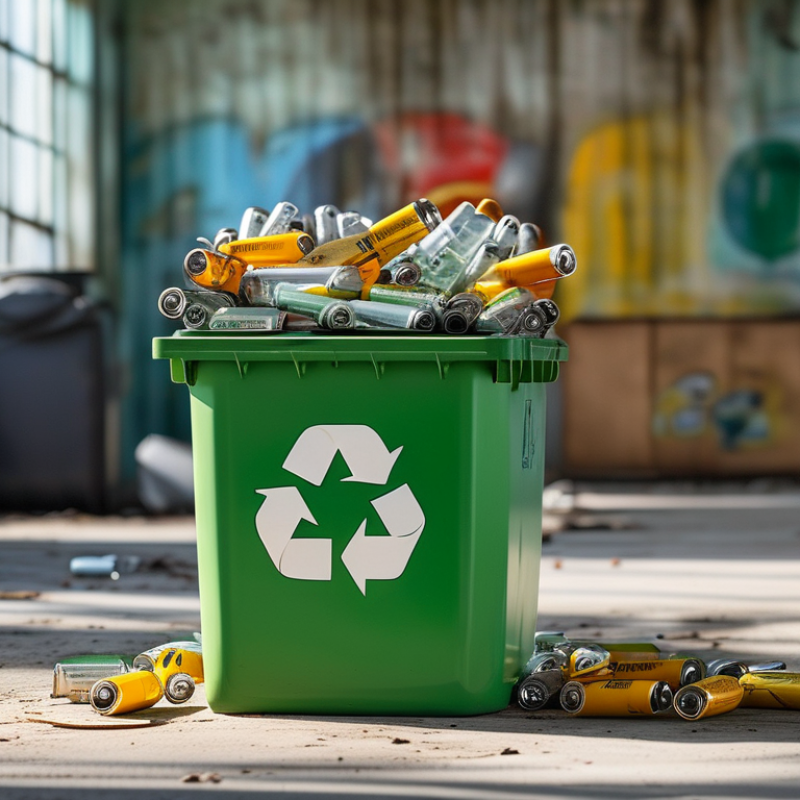
Understanding the importance of battery recycling is crucial for both the environment and public health. Batteries contain harmful chemicals that can leach into the soil and water if not disposed of properly. This can lead to serious environmental risks, affecting wildlife and contaminating drinking water sources. By recycling batteries, we can prevent these toxic substances from causing harm and conserve essential resources.
One practical tip is to check local recycling programs. Many communities offer designated drop-off locations for batteries, which reduces the hassle of finding a suitable disposal method. Another tip is to store used batteries safely. Keep them in a cool, dry place, away from children and pets. Using a battery organizer can help you track which batteries need recycling.
Additionally, consider educating friends and family about the importance of battery recycling. Many people are unaware of the impact that improper disposal can have. Sharing tips and information can create a more environmentally conscious community. While battery recycling may seem daunting, these small steps can make a significant difference. Reflecting on your habits can lead to better practices in the future.
When it comes to recycling batteries, recognizing the different types is crucial. Batteries come in various forms, such as alkaline, lithium-ion, and lead-acid. According to the Environmental Protection Agency (EPA), over 3 billion batteries are discarded in the U.S. alone each year. Knowing the type of battery ensures proper recycling methods and reduces environmental impact.
Alkaline batteries are commonly found in household items. They can often be recycled at specific drop-off points. Lithium-ion batteries, used in electronics, require special handling due to their flammability. Lead-acid batteries, typical in vehicles, can be recycled effectively, reclaiming up to 99% of their materials. Misidentification can lead to hazardous situations, emphasizing the importance of education around battery types.
Here are some tips for hassle-free recycling: Always check local regulations for battery disposal. Look for recycling programs in your community. Store batteries in a safe place until you're ready to recycle. Connecting with local environmental groups can provide valuable resources and proper disposal sites. Awareness is key to minimizing waste and promoting sustainability.
| Battery Type | Common Uses | Recycling Process | Recycling Facilities |
|---|---|---|---|
| Alkaline Batteries | Toys, Remotes, Flashlights | Sort, Shred, Recover Metals | Local Collection Centers |
| Lithium-Ion Batteries | Smartphones, Laptops, Electric Cars | Disassemble, Recycle Components | Specialized Recycling Facilities |
| Lead-Acid Batteries | Vehicles, UPS Systems | Collection, Reclamation of Lead | Automotive Retailers, Recycling Centers |
| Nickel-Cadmium Batteries | Power Tools, Cameras | Containment, Recycling of Cadmium | Household Hazardous Waste Programs |
Finding local battery recycling programs is crucial for environmental sustainability. The EPA reports that nearly 3 billion batteries are used in the U.S. each year. However, only about 20% of these are recycled properly. This leaves a significant amount of toxic materials like lead and cadmium in landfills. Many local areas now offer specific battery drop-off locations. Searching online can yield nearby programs.
Community initiatives are becoming more common. Many municipalities host collection events, making recycling convenient. For instance, the Call2Recycle program has more than 30,000 drop-off sites across North America. Using resources like this can simplify the recycling process. Additionally, some retailers also accept batteries for recycling.
Local regulations may vary. Some areas have strict guidelines on battery disposal. Failing to follow them can lead to fines. This highlights the importance of staying informed. Each community has its own options. Some residents may still face challenges in accessing these programs. Awareness and proactive efforts are key to improving recycling rates.
Preparing batteries for recycling is crucial for safety and environmental benefits. Start by gathering all batteries in one location. Use a sturdy plastic container to avoid leaks. Make sure the container is clearly labeled. This helps prevent accidental mix-ups with other waste.
Next, inspect each battery. Check for any corrosion or leakage. If a battery is leaking, handle it with extreme caution. Consider wearing gloves during this process. It's also wise to place small batteries in a plastic bag. This keeps them contained and prevents contact with other materials.
Educate yourself about local recycling options. Often, there are designated drop-off points for used batteries. Some communities even offer battery recycling events. Engaging with your local recycling program ensures you follow safe practices. By taking these steps, you contribute to a greener planet, while also ensuring safe disposal of hazardous materials.
Battery recycling is crucial for reducing environmental impact. Educating others can amplify this message. Start by discussing the importance of recycling batteries. Explain how toxic materials can harm the environment if they end up in landfills. Many people are unaware of these risks.
Engage your audience with visual aids. Use infographics or videos to show proper disposal methods. Simple demonstrations on how to safely transport batteries for recycling can be effective. Perhaps hold a small community event focused on this. This provides a hands-on approach that resonates.
Encouraging conversations about battery recycling can spark interest. Share personal experiences or local anecdotes about recycling efforts. Ask people about their practices and challenges. This could lead to valuable discussions and encourage others to reflect on their own habits. Remember, change often starts with awareness. By fostering a communal understanding, we can all contribute to a more sustainable future.
: Battery recycling protects the environment and public health by preventing harmful chemicals from contaminating soil and water.
Check local recycling programs for drop-off locations. This simplifies the disposal process and makes it easier to recycle.
Store them in a cool, dry place, away from children and pets. Use a battery organizer for tracking.
Common types include alkaline, lithium-ion, and lead-acid batteries. Each type has specific recycling methods.
Gather batteries in a sturdy container, label it, and check for corrosion or leaks. Handle leaking batteries carefully.
Yes, many people don't realize the importance of proper disposal. Sharing information can foster an environmentally conscious community.
Misidentification can lead to hazardous situations and improper recycling. Education on battery types is essential.
No, different batteries may require different recycling facilities. Always check local regulations for proper disposal options.
Yes, wearing gloves is wise, especially if you notice any leaks or corrosion. It enhances safety during handling.
Local environmental groups can provide information on recycling resources and safe disposal sites, promoting sustainability.
Recycling batteries is crucial for environmental sustainability, helping to prevent harmful chemicals from contaminating our ecosystem. To understand how to recycle batteries effectively, it is essential first to recognize the different types of batteries available, including alkaline, lithium-ion, and lead-acid, as each type has specific recycling processes. Locating local battery recycling programs and drop-off centers is the next step, allowing individuals to dispose of their used batteries responsibly.
Preparation is key for safe battery recycling—remove any casing, tape the terminals, and ensure they are stored securely. Additionally, educating others about proper battery recycling practices can amplify efforts within the community, fostering a collective responsibility towards protecting the environment. By following these steps, we can significantly contribute to sustainable waste management and promote a cleaner planet.

SK Battery