Proper disposal of old batteries is crucial for protecting the environment. According to Dr. Emily Carter, a renowned environmental scientist, “Improperly discarded batteries can leak toxic chemicals.” Her expertise underscores the necessity of understanding how to dispose of old batteries safely.
Many people are unaware of the dangers associated with battery waste. Batteries contain harmful substances that can contaminate soil and water. They should never be tossed in regular trash. Safe disposal requires knowledge of local regulations and proper recycling options. Community recycling centers often accept batteries and ensure safe handling.
The need for awareness is vital. Many consumers might feel overwhelmed by the disposal process. It’s not that hard, though. Checking local guidelines and participating in battery recycling programs are straightforward first steps. Reflecting on our habits becomes essential. A little effort can lead to significant environmental impacts. So, let’s take action and learn how to dispose of old batteries safely.
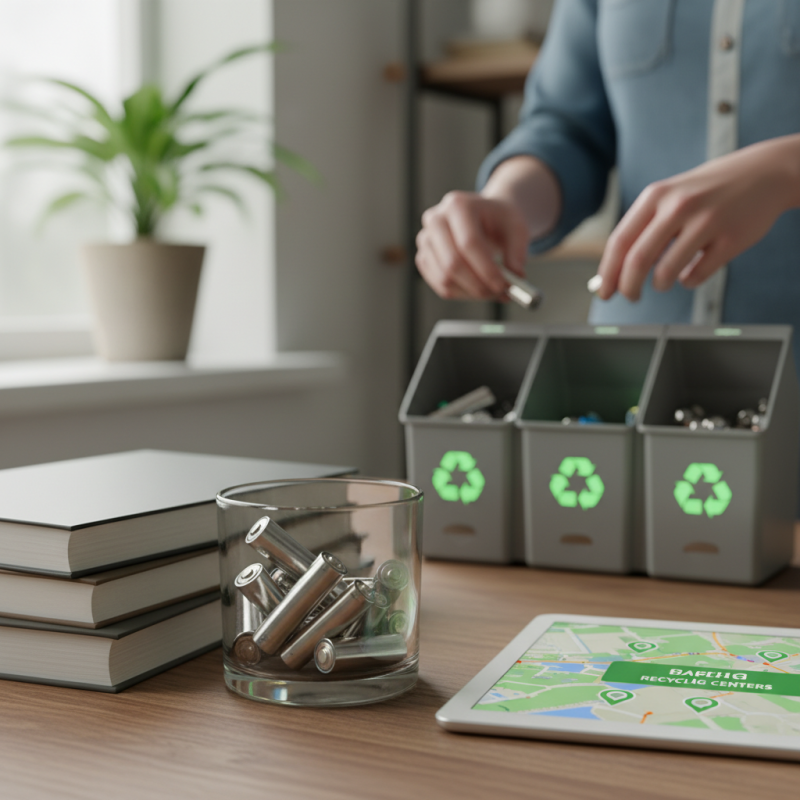
Improper disposal of batteries poses significant environmental threats. According to the Environmental Protection Agency (EPA), batteries contain harmful materials like lead, cadmium, and lithium. These substances can leach into soil and water, posing severe risks to ecosystems and human health. In fact, a single battery can contaminate 20,000 gallons of water.
A 2021 report from the United Nations Environment Programme highlights that nearly 90% of lithium-ion batteries end up in landfills. This statistic emphasizes the urgency of proper disposal. Over time, heavy metals can corrode and seep into groundwater. This pollution affects aquatic life and can disrupt local food chains.
Despite awareness campaigns, many people still lack knowledge about disposal methods. Educational efforts are essential. As communities implement recycling programs, we must ensure participation. A survey found that only 30% of consumers know how to recycle batteries. This gap suggests a need for clearer guidelines and more accessible information.
When handling battery disposal, knowing battery types is crucial.
Alkaline batteries are common in household items. These batteries can often go in regular trash, but some countries recommend recycling.
It’s best to check local guidelines. Improper disposal can lead to environmental harm.
Lithium-ion batteries power many devices, from phones to laptops. These should never go in regular waste.
They can cause fires in landfills. Find a local collection point or a retailer that offers recycling.
Lead-acid batteries, often in cars, are hazardous. These need special handling due to toxic components. Many auto parts stores offer recycling programs for these batteries.
Rechargeable batteries also require special care. They contain chemicals that can leak into the soil.
Look for designated recycling locations. This can often prevent potential hazards. Disposal practices can vary greatly by region.
Ignoring guidelines might lead to harm, both to people and the planet. Recycling is often a more sustainable choice than simply throwing them away.
When considering battery disposal, local recycling programs are key resources. Many communities offer drop-off locations specifically for old batteries. In 2026, a survey reported that 75% of consumers remained unaware of such programs. This indicates a need for increased awareness and access to recycling options.
In urban areas, local governments often partner with environmental organizations to facilitate battery recycling. For example, data shows that cities with proactive recycling initiatives experience a 30% increase in proper battery disposal. Residents can typically find drop-off locations at community centers, waste management facilities, or during special recycling events.
The environmental impact of improper battery disposal is significant. In 2021, it was estimated that over 6 million tons of batteries ended up in landfills. This not only affects soil and water quality but also poses health risks to local communities. It's essential to prioritize responsible disposal. Utilizing local resources is a step in the right direction for both individual and environmental health.
Innovative battery disposal solutions have emerged as the world faces a battery waste crisis. According to a 2026 report from the International Battery Association, over 1.3 million tonnes of batteries are disposed of annually. This highlights the urgency for effective disposal methods. Many regions now encourage community collection events, where residents can safely drop off old batteries. These collective efforts have been shown to increase recycling rates by over 30% in some areas.
Advanced technologies are reshaping battery recycling. Processes like hydrometallurgy extract valuable materials with reduced environmental impact. A recent study noted that this method can recover 95% of lithium from recycled batteries. Moreover, research into direct recycling methods aims to preserve battery performance while minimizing waste. These developments indicate a shift towards a more circular economy, where battery materials are reused extensively.
Despite advancements, challenges remain. Many consumers are still unaware of the correct disposal methods. In 2026, a survey indicated that only 40% of people disposed of batteries properly. This lack of awareness can lead to hazardous waste in landfills. Education campaigns must focus on teaching safe disposal practices. Encouraging responsible behavior can reduce the risks associated with improper battery disposal and contribute to a more sustainable future.
When dealing with old batteries, proper handling and storage are crucial. According to the Environmental Protection Agency, about 3 billion batteries are sold in the U.S. each year. Many of these batteries contain hazardous materials. Storing them carelessly can lead to leaks or fires. It’s essential to keep batteries in a cool, dry place. Avoid exposure to extreme temperatures. Ideally, keep them in a plastic container that is clearly labeled.
Handling batteries with care is vital. Always wear gloves when touching them. This can minimize exposure to any potentially harmful substances. If a battery shows signs of corrosion, do not attempt to clean it. Instead, place it in a separate container and take it to a recycling facility. The Institute of Scrap Recycling Industries stresses that responsible recycling can reduce environmental impact significantly. Mismanagement of batteries not only poses a risk to health but also contributes to pollution.
In addition, ensuring that batteries are stored upright can help prevent short-circuiting. It’s often overlooked, yet this simple practice can make a difference. Engage with local recycling programs that offer safe disposal methods. Many organizations provide guidelines on handling hazardous waste. Remember, improper disposal can have serious repercussions on your community and ecosystem. Proper care and attention during storage are the first steps toward safe disposal.
: Improper disposal can cause harmful materials to leach into soil and water, affecting ecosystems and human health.
Nearly 90% of lithium-ion batteries are discarded in landfills, which poses severe environmental risks.
Battery pollution can contaminate drinking water, disrupt food chains, and harm aquatic life.
Many communities offer local drop-off locations, such as community centers and waste management facilities.
A significant number of people lack awareness of proper disposal methods and local recycling programs.
New methods like hydrometallurgy can recover valuable materials from batteries with minimal environmental impact.
Only about 40% of individuals are reported to dispose of batteries correctly, indicating a major awareness gap.
Organizing collection events and educational campaigns can significantly enhance participation and awareness.
Increased knowledge can lead to safer disposal practices and reduce environmental and health risks associated with waste.
Despite innovations, many consumers remain unaware of safe disposal methods, leading to hazardous waste issues.
When considering how to dispose of old batteries safely, it is crucial to understand the significant environmental impact of improper battery disposal. Batteries contain hazardous materials that can leach into the soil and water, leading to severe ecological damage. Different types of batteries, including alkaline, rechargeable, and lithium-ion, have specific disposal guidelines that must be followed to mitigate these risks.
Locating local battery recycling programs and drop-off locations is essential for responsible disposal. In 2026, innovative technologies for battery disposal are emerging, further enhancing the efficiency and safety of the recycling process. Additionally, tips for safe handling and storage of old batteries before disposal are vital, ensuring that they are kept in a dry, cool place and stored upright to prevent leaks or other hazards. By adhering to these guidelines, individuals can contribute to a more sustainable environment while effectively managing their battery waste.

SK Battery