How to Store Batteries Safely for Long Lasting Use?

Time:2026-05-09 Author:Ethan
0%

In today’s world, understanding how to store batteries safely for a long time is essential. According to a study by the Institute of Battery Technology, improper storage can lead to significant performance degradation. Batteries can lose up to 20% of their capacity when stored in unsuitable conditions. This makes effective storage methods crucial for sustainable use.

Optimal storage practices are often overlooked yet can greatly extend battery life. For example, batteries should be kept in a cool, dry place. The ideal temperature range is between 20°C and 25°C. Storing batteries in extreme temperatures can lead to leakage and a reduction in lifespan. Additionally, what many do not realize is that battery terminals should be cleaned and insulated to prevent short circuits.

Despite these guidelines, many users exhibit a lack of awareness. A survey revealed that nearly 40% of respondents do not store batteries according to expert recommendations. It’s clear that education on how to store batteries safely for a long time is vital for both consumers and businesses. By implementing best practices, one can avoid the pitfalls of battery degradation and ensure longevity in usage.
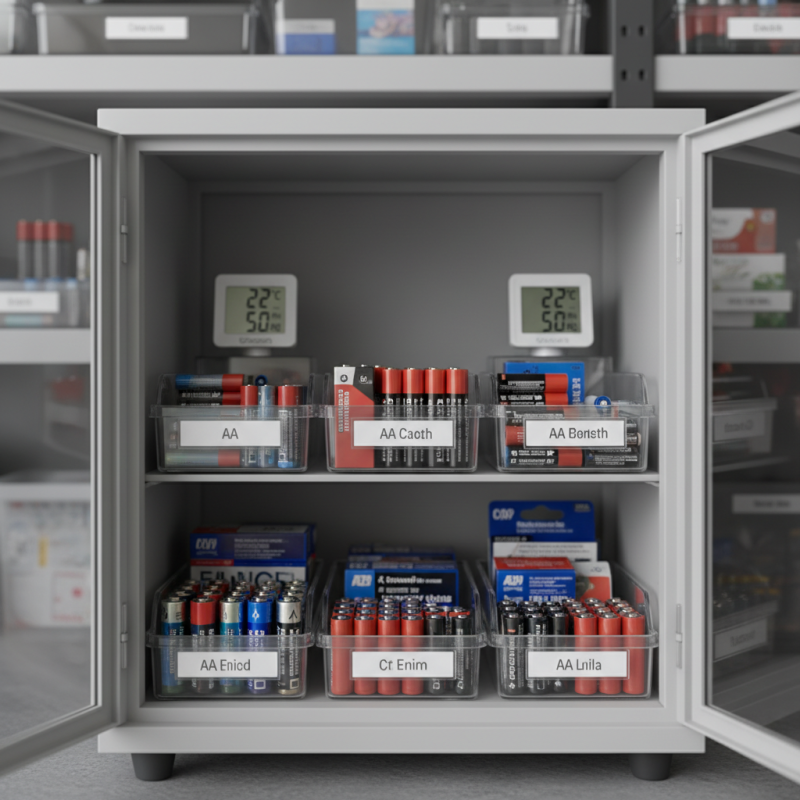
How to Store Batteries Safely for Long Lasting Use?

Understanding Different Types of Batteries and Their Storage Needs

Batteries come in various types, each requiring specific storage conditions to prolong their life. Alkaline batteries can be stored at room temperature in a cool, dry place. Extreme heat or cold can damage them. Storing them in their original packaging may prevent short-circuiting.

Lithium-ion batteries, commonly found in electronics, are a bit trickier. They should be partially charged, usually around 50%, before long-term storage. Keeping them at a moderate temperature is key. Too much heat can lead to swelling, while a cold environment may cause performance issues.

Lead-acid batteries require special attention, especially for maintenance-free types. They should be kept charged and inspected regularly for any signs of corrosion or leaks. Ideally, they need to be stored in a well-ventilated area. Neglecting proper storage can lead to reduced efficiency and lifespan. Remember, even small mistakes in storage practices can lead to significant consequences.

Optimal Environmental Conditions for Long-Term Battery Storage

When it comes to long-term battery storage, environmental conditions play a crucial role. Batteries thrive in cool, dry environments, ideally at temperatures between 15 to 25 degrees Celsius (59 to 77 degrees Fahrenheit). Extreme heat can cause batteries to degrade rapidly. According to a study by the Battery Research Institute, storage temperatures above 30 degrees Celsius can reduce a battery's lifespan by up to 25% over a year. Hence, avoiding attics or direct sunlight is wise.

Humidity also impacts battery health. High humidity can accelerate corrosion on battery terminals. Conversely, excessively dry conditions can dehydrate certain battery types, leading to potential failure. A report from the Energy Storage Association emphasizes maintaining relative humidity levels around 40% to 60% for optimal performance. Insulating battery storage spaces can help regulate these conditions.

Storing batteries in their original packaging can offer further protection. Original packaging minimizes exposure to moisture and dust. Battery terminals should be taped to prevent accidental short circuits. Not everyone considers these tiny details, leading to premature battery failure. Simple practices can make a significant difference in extending battery life.

Battery Storage Conditions and Their Impact on Lifespan

Best Practices for Organizing and Labeling Stored Batteries

When storing batteries, organization and labeling are essential for safety and longevity. Start by using a dedicated container. This prevents accidental short circuits and protects batteries from damage. Choose a cool, dry environment for storage. Extreme temperatures can shorten battery life.

Labeling your batteries is crucial. Use clear markers to indicate the type and charge status. A simple "Fully Charged," "Half Charged," or "Dead" can help you quickly find what you need. This also avoids possible mix-ups. For rechargeable batteries, note the last charging date. This ensures regular use, helping maintain their capacity.

Tips: Avoid placing different types together. Mixing batteries can lead to leaks or corrosion. Also, check stored batteries every few months. Look for signs of swelling, leakage, or rust. If you find any, dispose of them properly. Remember, batteries do not last forever. Assess the condition regularly to stay safe.

Safety Precautions to Consider When Storing Batteries

When storing batteries, safety is paramount. Batteries can leak or even explode if not handled properly. Ensure you keep them in a cool, dry place. Avoid areas with extreme temperatures. For example, don’t store them in a basement or garage. These environments can degrade battery performance.

Using a battery organizer can help manage your collection. Keeping batteries in their original packaging also safeguards them from damage. Avoid mixing different types and brands, as this can lead to leaks or malfunctions. Inspect your batteries periodically for signs of corrosion or wear. Dispose of expired ones properly, following local guidelines.

Check the expiration dates often. It’s easy to forget about older batteries stashed away. Remember that not all batteries last the same amount of time. Some may deplete faster than others. This inconsistency necessitates regular checks to avoid surprises. So, take a moment to reflect on your storage habits. Our approach can impact battery longevity and safety significantly.

How to Store Batteries Safely for Long Lasting Use? - Safety Precautions to Consider When Storing Batteries

Battery Type Recommended Storage Temperature (°C) Ideal Humidity Level (%) Safety Precautions
Alkaline 0 to 25 20 to 50 Store in a cool, dry place; avoid extreme temperatures.
Lithium-ion 15 to 25 30 to 60 Keep away from direct sunlight; store at around 50% charge.
Nickel-Metal Hydride (NiMH) 0 to 25 20 to 50 Store in a moisture-free environment; avoid mixing with used batteries.
Lead Acid 10 to 25 40 to 70 Ensure terminals are clean and greased; store upright in a ventilated area.

How to Dispose of Batteries Properly After Their Lifespan

Batteries are essential in our daily lives. However, disposing of them improperly can harm the environment. It’s crucial to understand how to dispose of batteries correctly after their lifespan. Many people simply toss them in the trash, unaware of the consequences. This practice can release toxic substances into soil and water.

Local recycling centers often accept batteries for safe disposal. These facilities follow regulations to manage hazardous materials. Some communities offer battery collection programs. It’s an option worth exploring. Check with local authorities to find available resources.

Storing batteries loosely in drawers can lead to shorts, damaging the batteries. Reflect on your storage habits to ensure safety. Make sure to protect terminals with tape to prevent accidental connections. It’s a small step that can make a big difference. All these efforts contribute to responsible battery disposal and environmental protection.

FAQS

: What is the ideal temperature range for long-term battery storage?

: The best temperature is between 15 to 25 degrees Celsius (59 to 77 degrees Fahrenheit).

Why should batteries be kept away from extreme heat?

Heat can rapidly degrade battery capacity. Temperatures above 30 degrees Celsius may cut lifespan by 25%.

How does humidity affect battery health?

High humidity can cause corrosion. Too dry conditions can dehydrate batteries, leading to failure.

What is the recommended humidity level for battery storage?

Maintain a relative humidity around 40% to 60% for optimal battery performance.

Why is original packaging important for battery storage?

Original packaging protects batteries from moisture and dust, extending their lifespan.

What simple practice can prevent accidental battery failures?

Tap battery terminals to prevent short circuits when stored.

How should batteries be organized for safety?

Use a dedicated container for storage. This prevents damage and avoids short circuits.

Why is labeling batteries important?

Clear labels showing type and charge status help find the right battery quickly and prevent mix-ups.

How often should stored batteries be checked?

Check batteries every few months for swelling, leakage, or rust to ensure safety.

What should you do with damaged batteries?

Dispose of any damaged batteries properly to prevent safety hazards.

Conclusion

When considering how to store batteries safely for a long time, it's essential to understand the various types of batteries and their specific storage needs. Different batteries may require unique conditions, including temperature and humidity levels, to ensure optimal performance over time. Generally, storing batteries in a cool, dry place away from direct sunlight is recommended.

Organizing and labeling stored batteries can greatly enhance safety and efficiency, allowing for easy identification and access. Furthermore, it’s important to follow safety precautions, such as keeping batteries away from metal objects to prevent short circuits and using protective cases to avoid leaks. Finally, when batteries reach the end of their lifespan, proper disposal is crucial to prevent environmental harm, ensuring they are recycled or disposed of in accordance with local regulations.

Ethan

Ethan

Ethan is a seasoned marketing professional with a deep expertise in our company's innovative product line. With a passion for sharing knowledge and insights, he takes the lead in regularly updating our corporate blog, where he explores industry trends, product features, and effective marketing......