Why Learn How to Dispose of Old Batteries Safely?

Time:2026-09-15 Author:Oliver
0%

Old batteries often look harmless: a loose AA cell in a kitchen drawer, a swollen phone battery, or a forgotten coin cell under a sofa. Yet damaged batteries can leak chemicals, overheat, or ignite when crushed or short-circuited. Learning How to dispose of old batteries safely protects homes, waste workers, and the environment from preventable harm.

Safe disposal begins with identifying the battery type and checking its condition. Rechargeable lithium-ion batteries need extra care, especially when they feel hot, appear swollen, or have damaged wrapping. Keep questionable batteries away from metal objects, moisture, children, and pets. Do not place them casually in household trash or recycling unless local guidance clearly allows it. Instead, contact an approved battery collection point, electronics retailer, or municipal hazardous-waste service. Their instructions are more reliable than assumptions.

Small steps matter.

From practical experience, many disposal mistakes happen because batteries are stored “temporarily” and then forgotten. I have seen old cells mixed in a drawer with keys, screws, and chargers. That arrangement seems convenient, but it increases contact risks. Covering exposed terminals with non-conductive tape and storing batteries separately can reduce danger while you arrange drop-off. Never open, puncture, burn, or crush a battery. If one leaks, avoid direct contact and follow local emergency or waste guidance.

This guide explains the reasoning behind safe disposal, common battery categories, and responsible collection options. It also acknowledges an uncomfortable truth: recycling systems differ widely, and labels are not always clear. When uncertain, pause and ask a qualified local service. That small delay is safer than guessing.
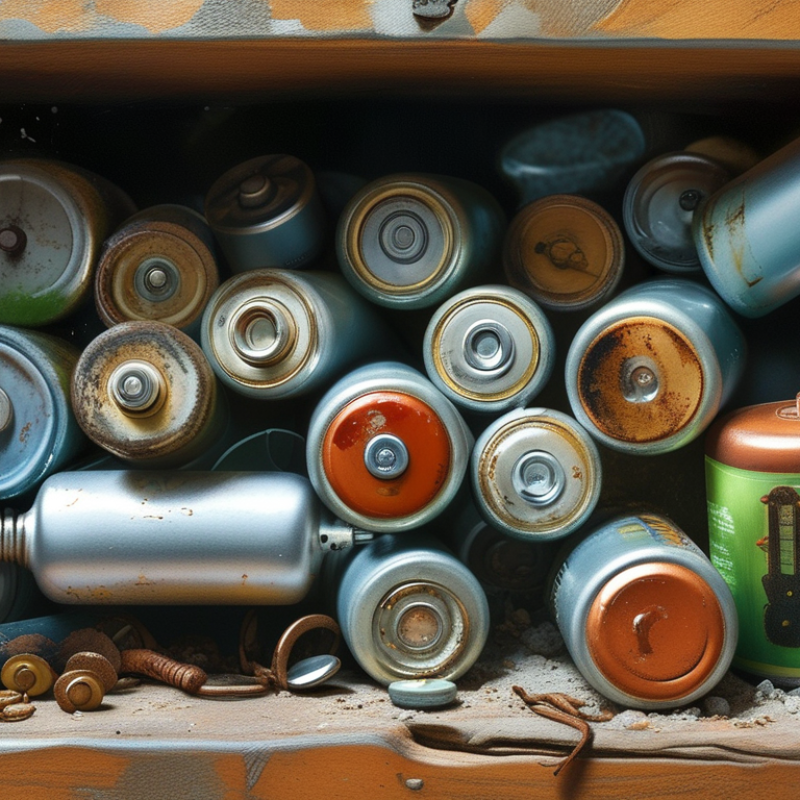
Why Learn How to Dispose of Old Batteries Safely?

What Makes Old Batteries Dangerous to People and the Environment

Old batteries may look harmless, but they can still hold energy. A damaged lithium battery may heat, swell, or ignite after contact with metal. Even a small coin cell can cause burns if swallowed by a child. Leaking alkaline batteries may release irritating chemicals that damage skin, eyes, and nearby objects. Rechargeable batteries deserve extra care because their stored charge can remain after years of disuse.

The environmental risk begins when batteries enter ordinary trash. During collection, crushing or heat can trigger fires in trucks and waste facilities. Leaked materials may also move into soil and water, especially near poorly controlled disposal sites. Some batteries contain metals that can harm plants, animals, and people when pollution persists. Workers face the danger directly. A hidden battery can spark inside a sorting machine.

I used to keep loose batteries in a kitchen drawer. That was convenient, but not safe. Terminals can touch keys, coins, or other batteries and create heat. Now I place used batteries in a dry container, keep them away from children, and cover exposed terminals with nonconductive tape. I never put damaged, swollen, or leaking batteries in that container. They need separate handling through a local household hazardous-waste or battery collection service. Guidance differs by battery type and location, so checking the local authority’s instructions matters. I still sometimes forget to record which batteries are rechargeable, and that mistake reminds me to slow down.

How to Identify Batteries That Need Special Disposal

Why Learn How to Dispose of Old Batteries Safely?

How to Identify Batteries That Need Special Disposal

Learning to identify risky batteries helps prevent fires, leaks, and contamination. The battery’s shape alone does not tell the whole story. Check its label, chemistry, and physical condition before placing it anywhere.

Rechargeable lithium-ion batteries usually need special handling, especially those from phones, cameras, tools, and small vehicles. Button and coin batteries also deserve careful attention because children can swallow them. Lead-acid batteries from vehicles, along with nickel-cadmium batteries, should not enter ordinary household waste. Look for terms such as “rechargeable,” “lithium,” “lead-acid,” or “Ni-Cd.”

Physical damage matters too. A swollen case, torn wrapper, leaking fluid, unusual heat, or a sharp chemical smell signals a higher risk. Do not charge or crush such a battery. Keep it away from metal objects and flammable materials. At home, isolate it.

For an intact rechargeable battery, prevent contact between its terminals and keys or coins. Non-conductive tape may help, but local guidance should come first. Place batteries in a dry container, away from children and pets, until you find an approved collection point. Never assume a small battery is harmless. I once thought a slightly damaged casing was only cosmetic; that judgment was too casual. Ask your local waste authority or a qualified collection service about the correct route, because instructions can differ by battery type and location.

How to Prepare Used Batteries for Safe Handling

Why Learn How to Dispose of Old Batteries Safely?

How to Prepare Used Batteries for Safe Handling

Safe disposal begins before a battery leaves your home. Check each one under bright light. Look for swelling, cracks, rust, or wet spots. A damaged battery needs extra care. Do not press, bend, puncture, or open it. Never force it.

For ordinary used batteries, keep different types separate. Prevent contact between terminals and metal objects, such as keys or coins. Cover exposed terminals with non-conductive tape. Place each battery in a small plastic bag or its original packaging. Do not pack loose batteries together. A drawer is not a safe temporary container if children can reach it.

Lithium batteries deserve close attention because hidden damage may cause heating. If one feels hot, smells unusual, leaks, or appears swollen, move people away. Only move it if there is no immediate danger, and avoid touching leaked material. Place it away from flammable items in a dry, sheltered area. Contact your local household hazardous-waste service for handling instructions. Never put damaged batteries in household trash or ordinary recycling.

I used to think a dead battery was harmless. That assumption was wrong. Even a battery showing no power can retain energy. Keep a note of the battery type and condition. It helps collection staff respond correctly. Clean hands and a careful label matter more than speed.

Why Learn How to Dispose of Old Batteries Safely? - How to Prepare Used Batteries for Safe Handling
Battery Type or Condition Why Safe Disposal Matters Preparation Before Handling Recommended Disposal or Recycling Route Important Safety Precautions
Single-use alkaline batteries They may contain recoverable metals and can leak when damaged, corroded, or stored for long periods. Remove the batteries from the device if it is safe to do so. Keep them dry and place them in a non-metal container. Follow local household-waste guidance. Where available, use a designated battery collection or recycling point. Do not crush, puncture, burn, or mix loose batteries with sharp metal objects.
Rechargeable lithium-ion batteries They can release considerable energy and may cause fire if short-circuited, crushed, overheated, or improperly charged. Stop using a battery that is swollen, cracked, leaking, unusually hot, or producing an odor. Cover exposed terminals with non-conductive tape if the battery is not damaged. Take intact batteries to a designated battery-recycling or household hazardous-waste collection site. Do not place them in regular trash or curbside recycling unless local authorities specifically allow it. Never puncture, disassemble, bend, or place the battery in water. Keep it away from heat and direct sunlight.
Damaged, swollen, leaking, or hot battery A damaged battery may undergo thermal runaway, release flammable gases, or leak corrosive material. Do not touch leaking material with bare hands. Keep people and combustible materials away. If the battery is hot, smoking, or on fire, move away and contact emergency services. Contact local fire-safety authorities or the designated hazardous-waste service for handling instructions. Do not transport a visibly smoking or actively burning battery. Do not tape over a swollen or severely damaged battery, place it in a plastic bag, or attempt to repair it.
Button or coin cell batteries If swallowed, these batteries can cause serious internal injury, especially in children. Keep unused and used cells secured away from children and pets. Tape the terminals of loose cells individually or place them in a dedicated collection container. Use a designated battery-recycling or household hazardous-waste collection program where available. If swallowed or inserted into the body, seek emergency medical help immediately; do not wait for symptoms.
Lead-acid batteries They contain corrosive sulfuric acid and lead, which can harm people and contaminate soil and water if mishandled. Keep the battery upright. Inspect for leaks without touching the fluid. Wear appropriate protective equipment when handling according to local guidance. Return it through an authorized automotive-battery or hazardous-waste collection route. Many jurisdictions require lead-acid batteries to be recycled. Do not open, drain, crush, or place the battery in household garbage. Keep sparks and flames away.
Nickel-metal hydride batteries They contain materials that can be recovered through recycling and may leak or overheat if damaged. Separate them from household waste, keep them dry, and protect the terminals from contact with metal. Use a battery-recycling collection point or follow local waste-management instructions. Do not burn, puncture, or dismantle the cells.
Mixed loose batteries Different chemistries and exposed terminals can create short circuits, heat, sparks, or leakage. Sort batteries only when they are intact and clearly identifiable. Cover exposed terminals with non-conductive tape and store them separately from metal items. Take them to a collection site that accepts the relevant battery chemistries. Ask the facility before combining different types in one container. Never mix batteries with coins, keys, tools, or other conductive materials during storage or transport.
Batteries still inside electronic devices Devices can be damaged during waste collection, and embedded batteries may ignite if crushed. Do not force a built-in battery out of a device. Keep the device switched off and prevent accidental activation. Take the complete device to an electronics-recycling or hazardous-waste collection program that accepts batteries. Do not place battery-powered electronics in regular trash unless local authorities explicitly confirm it is permitted.
Short-term storage before drop-off Correct storage reduces the risk of short circuits, leakage, and accidental exposure before recycling. Store batteries in a cool, dry place away from heat, moisture, children, pets, and flammable materials. Use a sturdy container that prevents movement and contact between terminals. Arrange delivery to an approved collection point as soon as reasonably possible and follow its packaging instructions. Do not store batteries in direct sunlight, near heaters, or in airtight containers with damaged batteries.
Transport to a collection point Movement can cause batteries to shift, become damaged, or contact conductive objects. Prevent movement with non-conductive packaging. Keep batteries upright when required and follow the collection facility’s instructions. Use the collection service’s approved drop-off procedure. Rules may differ for large quantities or lithium batteries. Do not leave batteries in a hot vehicle. Do not transport a battery that is smoking, burning, or rapidly heating.
General reminder: Battery-disposal requirements vary by location and battery chemistry. Always check the instructions of your local waste authority or an approved recycling facility before disposal. When in doubt, treat an unknown or damaged battery as potentially hazardous.

Where and How to Dispose of Different Battery Types

Why Learn How to Dispose of Old Batteries Safely?

Old batteries can leak, overheat, or start fires when handled carelessly. Safe disposal depends on the battery type, not only its size or shape. Check the label before placing anything in a collection box.

Common alkaline batteries may be accepted through household waste in some areas, but local rules differ. Rechargeable lithium-ion batteries require separate recycling through approved battery or household hazardous-waste programs. Cover their terminals with non-conductive tape, and keep each battery in a separate plastic bag. Never place loose lithium batteries in general rubbish or curbside recycling.

Button and coin batteries need special care because children can swallow them. Store them in sealed packaging and use a designated collection point. Lead-acid car batteries should go to an authorized recycling or automotive collection facility, where their heavy materials and corrosive liquid can be managed properly.

Tips: Keep batteries cool and dry. Do not crush, open, or burn them. A swollen, leaking, hot, or damaged battery needs extra caution. Avoid touching leaking material with bare hands. Place it away from flammable objects, then contact your local waste authority for handling instructions. I have seen people mix every battery in one jar; it seems tidy, but it increases contact and fire risks. When uncertain, stop and verify the disposal route with municipal guidance.

What Happens After Batteries Reach a Recycling Facility

Why Learn How to Dispose of Old Batteries Safely?

When old batteries arrive at a recycling facility, workers record their type, condition, and approximate quantity. They do not go straight into a shredder. A trained worker checks for swelling, leaks, corrosion, or loose terminals. Small details matter. Damaged cells may require isolation in fire-resistant containers. Safety comes first.

After inspection, workers sort batteries by chemistry and size. This step prevents incompatible materials from entering the same processing line. Some facilities use insulated tools and controlled discharge equipment before dismantling begins. The batteries are then placed into specialized machines. These machines break them apart inside a controlled environment. Magnets, screens, and air systems separate steel, plastics, and other components. This stage can look rough, but it is carefully monitored.

The recovered metals may include steel, aluminum, copper, and selected battery materials. Other fractions are treated as residual waste and handled through approved channels. Technicians test recovered materials for purity before sending them to manufacturers. A clean-looking pile is not always a safe or useful one. It may contain moisture, damaged cells, or mixed chemistry. Recovery is not perfectly efficient. Some valuable material remains unavailable because of contamination or current processing limits. Better sorting at home can reduce these losses before batteries ever reach the facility.

FAQS

Why can old batteries still be dangerous?

A battery may retain energy after years of disuse. Damaged cells can heat, swell, leak, or ignite. “Dead” does not always mean harmless.

What signs show that a battery needs extra care?

Check for swelling, cracks, rust, wet spots, unusual smells, or heat. Do not press, bend, puncture, or open it. Never force it.

How should ordinary used batteries be stored temporarily?

Keep different battery types separate. Cover exposed terminals with non-conductive tape. Place each battery in a small bag or original packaging. Keep them away from keys, coins, children, and moisture.

Why is a kitchen drawer unsafe for loose batteries?

Metal objects can touch battery terminals inside a drawer. This contact may create heat. I used to store batteries there, but convenience hid the risk.

How should damaged or leaking batteries be handled?

Do not place them in household trash or ordinary recycling. Avoid touching leaked material. Keep people away and contact the local household hazardous-waste service for instructions.

What should someone do about a swollen lithium battery?

Do not use, charge, crush, or puncture it. If there is no immediate danger, follow local guidance about moving it away from flammable items. Do not take unnecessary risks.

Why should batteries stay out of ordinary trash?

Crushing and heat can start fires in collection trucks and waste facilities. Leaked materials may enter soil and water. A hidden battery can also spark inside sorting equipment.

What happens at a battery recycling facility?

Workers inspect batteries for swelling, leaks, corrosion, and loose terminals. They sort them by chemistry and size. Specialized equipment separates metals, plastics, and other materials.

Does recycling recover every useful material?

No. Contamination, moisture, mixed chemistries, and damaged cells reduce recovery. Better sorting at home helps, though the process is not perfectly efficient.

Why should battery type and condition be recorded?

Clear notes help collection workers choose safer handling methods. I sometimes forget to record rechargeable batteries. That small mistake reminds me to slow down.

Conclusion

Learning how to dispose of old batteries safely is essential because damaged or improperly discarded batteries can leak harmful chemicals, start fires, or release pollutants into soil and water. Batteries that are swollen, cracked, corroded, leaking, unusually hot, or no longer functioning may require special handling. Different types, including rechargeable batteries, button cells, and larger power packs, should not automatically be placed in ordinary household waste. Before disposal, keep used batteries away from children, pets, moisture, heat, and metal objects. Cover exposed terminals with nonconductive tape and place damaged batteries in a suitable container without mixing them with other materials.

The safest option is to take batteries to an approved collection point or recycling facility and follow its handling instructions. Staff can separate battery types and manage them according to their risks. At a recycling facility, batteries are inspected, sorted, safely discharged when necessary, and processed to recover useful materials such as metals. Proper recycling reduces fire hazards, protects the environment, and helps conserve natural resources.

Oliver

Oliver

Oliver is a seasoned marketing professional with a wealth of expertise in driving brand awareness and engagement. With a deep understanding of our company's product offerings, he consistently delivers high-quality content that enriches our professional blog. His insights not only shed light on......