Top Battery Types How to Choose the Right One for Your Device?

Time:2026-10-15 Author:Sienna
0%

Choosing among today’s top battery types is not simply a matter of picking the highest capacity. Your device needs the right voltage, current delivery, size, chemistry, connector, and charging system. A compact camera may need a lightweight lithium-ion pack, while a wall clock may perform better with alkaline cells. A cordless drill demands strong short-term power, not merely a large capacity number.

For anyone asking, “How to choose the right battery for my device,” Isidor Buchmann, founder of Battery University and a recognized battery technology educator, offers a useful warning: “The battery is a silent and often neglected component.” His point matters because battery performance depends on the whole system. A mismatched cell can cause overheating, short runtime, swelling, or poor charging behavior. The label alone cannot tell the full story.

Start with the device manual. Check its required voltage and approved battery chemistry. Then compare capacity, discharge rate, cycle life, operating temperature, and physical dimensions. Rechargeable nickel-metal hydride batteries can suit household devices with frequent use. Lithium-ion batteries can provide high energy in small spaces. Lithium iron phosphate batteries may offer strong safety and long service life, though they need compatible charging equipment.

Real-world conditions also matter. A phone used outdoors in winter may lose runtime quickly. A medical device requires stricter reliability than a remote control. This is where selection becomes less tidy. Higher capacity is not always better. A cheaper battery may also create repeated replacement costs.

The safest choice is a battery recommended by the manufacturer, purchased from a reputable supplier, and inspected before use. Small details decide performance. Sometimes, the “best” battery is simply the one that fits correctly and works reliably.
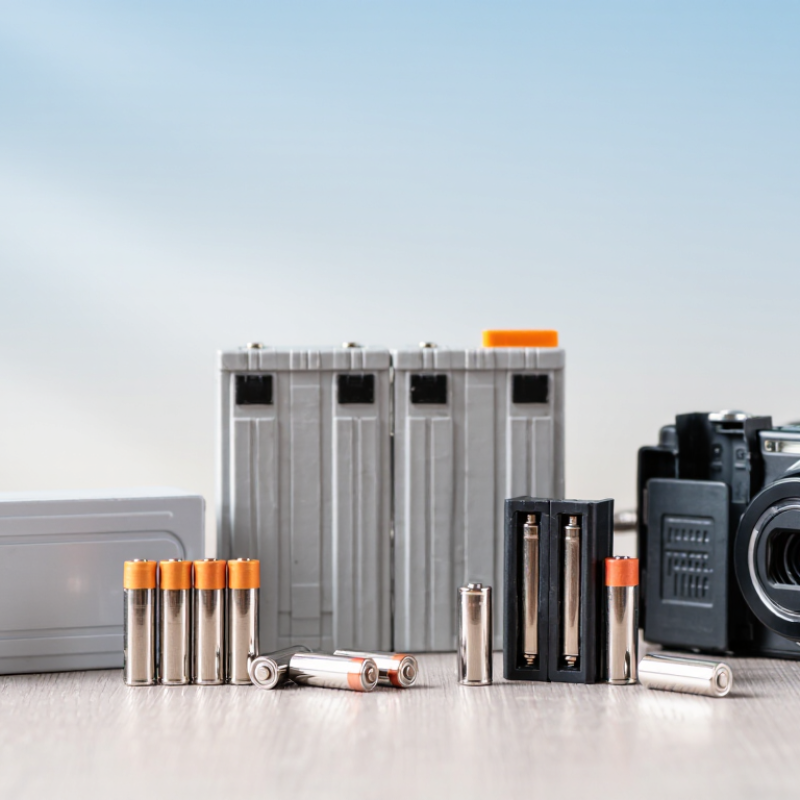
Top Battery Types How to Choose the Right One for Your Device?

Battery Basics: How Battery Chemistry and Design Affect Performance

Top Battery Types: How to Choose the Right One for Your Device?

Battery chemistry sets the device’s basic behavior. Lithium cobalt oxide offers high energy density, making it suitable for slim electronics. Lithium iron phosphate usually provides stronger thermal stability and longer cycle life, but it needs more space for the same capacity. Nickel-rich lithium chemistries can deliver high energy, although heat and charging control require greater care. Nickel-metal hydride remains useful in some durable, low-maintenance applications. Chemistry is only part of the answer.

Battery design changes performance in daily use. A larger cell may store more energy, but poor cooling can shorten its life. A battery management system monitors voltage, temperature, and charging limits. The International Energy Agency reported that global lithium-ion battery demand exceeded 750 GWh in 2023, rising about 40% from 2022. This growth reflects improving production, but not universal suitability. More capacity is not always better.

Look at operating temperature, peak current, charging speed, weight, and replacement access. A compact device used outdoors may need stable cold-weather performance more than maximum capacity. BloombergNEF reported average lithium-ion pack prices at 115 US dollars per kWh in 2024, showing falling costs across the industry. Yet cost can hide compromises in materials, cooling, or cycle testing. I would question any specification sheet that lists capacity but omits temperature limits. That detail matters. A neat number can still mislead.

Top Battery Types: How to Choose the Right One for Your Device

Battery Basics: How Chemistry and Design Affect Performance

How to read this chart: Lithium-ion chemistries generally provide the highest energy density, making them suitable for portable electronics and electric mobility. Lithium iron phosphate offers a longer cycle life and strong thermal stability, while lead-acid batteries are heavier but economical for backup and starting applications. Alkaline batteries are primary cells and are not designed for repeated recharging.

Selection tip: Choose based on energy density, expected cycle life, operating voltage, safety requirements, charging capability, and total cost. Values shown are representative typical figures; actual performance varies with cell design, temperature, discharge rate, and usage conditions.

Comparing Common Battery Types for Different Device Needs

Choosing a battery starts with the device, not the battery aisle. Alkaline cells suit remote controls, wall clocks, and emergency flashlights. They are inexpensive and perform well under light, steady loads. However, frequent replacement creates more waste.

Rechargeable NiMH cells fit toys, cameras, and game controllers. They handle repeated use well, although their voltage drops more gradually and may confuse low-battery indicators.

Lithium-ion batteries power phones, laptops, and compact tools because they store substantial energy in a small space.

The International Energy Agency reported that global battery demand exceeded 750 GWh in 2023, driven mainly by electric transport. That scale reflects lithium-ion’s strong energy density, but it does not make the chemistry ideal for every device.

Heat, aging, and poor charging habits can reduce capacity. A cool laptop bag is not always enough. Battery design still matters.

Lithium iron phosphate cells offer strong thermal stability and long cycle life. They suit backup systems, portable power units, and equipment used for frequent daily charging. They are usually heavier than standard lithium-ion packs.

Coin lithium cells work better in watches, sensors, and memory backups, where low drain matters more than rechargeable convenience.

Check voltage, physical size, discharge rate, and the manufacturer’s charging requirements. A higher capacity rating can mislead. Real performance depends on temperature, load, storage time, and the device’s power circuit. The best choice may be less convenient, but safer and more consistent.

Key Factors for Choosing the Right Battery

Choosing a battery starts with the device, not the battery label. Check the required voltage, operating current, connector, and physical space. A battery with higher capacity may still perform poorly if its voltage range does not match the circuit.

Chemistry affects daily performance. Lithium-based cells usually offer high energy density, while nickel-based batteries can suit devices needing repeated, moderate-power use. Consider cycle life, charging time, self-discharge, and storage conditions. Heat changes everything. A battery used near an engine or in direct sunlight needs suitable temperature ratings and protection circuits. Cold weather can also reduce available capacity, even when the battery appears fully charged.

Capacity is only part of the decision. Check the continuous and peak current ratings, especially for motors, cameras, tools, and wireless equipment. A cell rated for short bursts may not support repeated surges safely. Fit matters. Measure the compartment, terminal position, and cable length before ordering. The wrong dimensions can create pressure against the casing or leave loose connections.

In practical testing, comparing real runtime under the device’s normal workload gives better evidence than trusting a printed capacity figure alone. That shortcut fails. Review the datasheet, charger requirements, protection features, and applicable safety certifications. I have also learned that users often overlook storage age; an unused battery can lose performance before installation. A small safety margin is wise, although excessive capacity can add unnecessary weight and cost.

Matching Battery Features to Device Power Requirements

Top Battery Types: How to Choose the Right One for Your Device?

Matching battery features to device power requirements starts with the device, not the battery label. Check its operating voltage, peak current, average consumption, and available space. A compact sensor may need only a few milliamps, while a motor can demand a sudden current surge. Capacity matters too, but a larger capacity does not automatically mean better performance.

Lithium-ion batteries suit many portable devices because they offer high energy density and stable output. Lithium iron phosphate options can provide strong cycle life and improved thermal stability, although they may need more physical space. Nickel-metal hydride batteries can tolerate frequent use and simpler replacement routines. Alkaline cells remain practical for low-drain equipment, especially when storage life matters. Measure twice.

During testing, compare real operating time rather than relying only on calculated capacity. Temperature changes can reduce available energy, particularly in outdoor equipment. A battery rated at 2,000 mAh may deliver less power under heavy loads or cold conditions. Always match the charger, protection circuit, and voltage limits to the battery chemistry. Do not improvise these parts. Not always obvious.

I have found that user habits often change the best choice. A camera used for short bursts needs strong discharge performance, while a wall-mounted sensor may prioritize long standby life. Datasheets are essential, but field testing can reveal unexpected drain from wireless signals, screens, or startup cycles. Allow a safety margin, then review the design when actual measurements disagree with the first calculation.

Top Battery Types: How to Choose the Right One for Your Device? — Matching Battery Features to Device Power Requirements

Battery Type Rechargeable? Typical Nominal Voltage per Cell Approximate Energy Density Typical Cycle Life Power Delivery Best-Suited Devices Key Limitations and Safety Considerations
Lithium-Ion (Li-ion) Yes Approximately 3.6–3.7 V Approximately 150–250 Wh/kg About 500–1,000 full cycles, depending on design and use High energy and moderate-to-high current capability Laptops, cameras, cordless tools, portable medical equipment, power stations, and electric mobility devices Requires a suitable protection circuit and charger; avoid overcharging, deep discharge, overheating, and physical damage.
Lithium Iron Phosphate (LiFePO4) Yes Approximately 3.2–3.3 V Approximately 90–160 Wh/kg About 2,000–5,000 cycles with proper charging and temperature control High continuous-current capability and good thermal stability Solar storage, backup power, recreational vehicles, marine systems, and electric vehicles requiring long service life Lower energy density than many conventional Li-ion cells; requires a compatible battery-management system and charger.
Nickel-Metal Hydride (NiMH) Yes Approximately 1.2 V Approximately 60–120 Wh/kg About 500–1,000 cycles, depending on charge rate and depth of discharge Moderate power output with good short-term current delivery Digital cameras, flashlights, toys, household electronics, and hybrid vehicle battery systems Higher self-discharge than most lithium batteries; may become warm during rapid charging and should use a compatible charger.
Nickel-Cadmium (NiCd) Yes Approximately 1.2 V Approximately 40–60 Wh/kg About 1,000–2,000 cycles in suitable applications Very high pulse-current capability and reliable performance at low temperatures Specialized tools, emergency equipment, and aviation or industrial systems where ruggedness is important Contains toxic cadmium, has lower energy density, and can show voltage depression; use and disposal are restricted in many regions.
Alkaline No; primary battery Approximately 1.5 V Approximately 80–160 Wh/kg Not designed for repeated cycling Good for low-to-moderate, intermittent loads; voltage declines during use Remote controls, clocks, basic toys, low-drain sensors, and emergency household devices Poor choice for high-drain rechargeable devices; do not recharge, short-circuit, or mix old and new cells.
Lithium Primary No; primary battery Approximately 3.0 V for many lithium-metal cells Approximately 200–700 Wh/kg, depending on chemistry and format Not designed for repeated cycling Low self-discharge with reliable performance across a broad temperature range Long-life sensors, meters, cameras, alarms, memory backup, and outdoor equipment Never recharge unless specifically labeled rechargeable; incorrect charging can cause leakage, venting, or fire.
Lead-Acid Yes Approximately 2.0 V Approximately 30–50 Wh/kg About 200–500 cycles, strongly affected by depth of discharge Excellent high-current delivery but low energy density Automotive starting systems, uninterruptible power supplies, alarms, backup systems, and industrial equipment Heavy and bulky; charging must be controlled, and flooded versions require ventilation and maintenance.
Selection Guide: Choose battery voltage to match the device, capacity according to required operating time, and continuous or peak current according to the device’s maximum load. Confirm charger compatibility, operating temperature, physical dimensions, protection circuitry, and applicable disposal requirements before use.

Safe Use, Charging, Storage, and Battery Replacement Considerations

Choosing the right battery starts with the device’s requirements, not convenience. Check the manual for voltage, chemistry, capacity, and connector details. Lithium-ion packs suit many portable devices, while NiMH cells work well in some reusable household equipment. Alkaline cells fit many low-drain products. Never replace one chemistry with another without approval. Fit is not enough.

Use the charger designed for that battery. Place charging equipment on a hard, nonflammable surface with clear airflow. Stop charging if the battery becomes unusually hot, swollen, cracked, or smells strange. Do not charge a damaged cell. I once treated mild warmth as normal, but that judgment was too casual. Heat deserves attention. Keep batteries away from water, direct sunlight, children, and loose metal objects.

Store batteries in a cool, dry place, preferably inside protective packaging. Keep terminals covered to prevent accidental contact. Lithium-ion batteries are often best stored partly charged, rather than empty or full for long periods. Check stored batteries occasionally. Replace any cell showing corrosion, leakage, swelling, or damaged insulation. A replacement should match the required chemistry, voltage, size, connector, and protection system. Sealed devices may need qualified service, because opening them can damage internal wiring. Recycle used batteries through an approved local collection point. Never puncture, crush, burn, or disassemble one.

FAQS

How does battery chemistry affect device performance?

Chemistry influences energy density, thermal stability, cycle life, and charging needs. Lithium-based cells suit many portable devices. Nickel-metal hydride works well in some durable equipment. The label is not the whole answer.

Is a higher-capacity battery always better?

No. A larger cell may add weight, require more space, or create cooling problems. A neat capacity number can still mislead. Check runtime under real temperature and load conditions.

How should I match a battery to my device?

Check voltage, peak current, average consumption, capacity, connector, and available space. A sensor may need only a few milliamps. A motor can demand a sudden current surge. Measure twice.

Why can actual runtime differ from the rated capacity?

Heavy loads, cold weather, wireless signals, screens, and startup cycles can reduce runtime. A rated 2,000 mAh cell may deliver less under stress. Field testing matters more than calculation alone.

Which battery features matter for outdoor equipment?

Consider cold-weather performance, peak current, charging limits, weight, and replacement access. Maximum capacity may be less useful than stable output. Temperature limits deserve attention.

How can I charge a battery more safely?

Use the charger designed for its chemistry and voltage. Charge on a hard, nonflammable surface with clear airflow. Stop immediately if the battery swells, cracks, smells unusual, or becomes very hot. Heat matters.

How should batteries be stored?

Keep them cool, dry, protected from water, sunlight, children, and loose metal objects. Cover the terminals to prevent accidental contact. Partly charged storage often suits lithium-ion batteries. Check them occasionally.

When should a battery be replaced?

Replace it if you see swelling, leakage, corrosion, cracked insulation, or unusual heating. The replacement must match chemistry, voltage, size, connector, and protection requirements. Do not substitute casually. I once treated mild warmth as harmless, but that judgment was too casual.

What should I do with a used battery?

Take it to an approved local collection point. Never puncture, crush, burn, or disassemble it. Sealed devices may need qualified service because internal wiring can be damaged.

Conclusion

Choosing the right battery begins with understanding how chemistry, structure, voltage, capacity, and discharge rate affect performance. Different battery types offer distinct advantages in energy density, lifespan, weight, cost, rechargeability, and stability, making some better suited for portable electronics, high-drain tools, backup systems, or low-power devices. The best choice depends on how much energy the device needs, how often it is used, and whether consistent power or long operating time is more important.

To answer “How to choose the right battery for my device,” first check the device’s required voltage, current, battery size, connector, and recommended chemistry. Consider operating temperature, charging speed, expected service life, and total ownership cost as well. Always use a compatible charger, follow the manufacturer’s safety guidance, and avoid damaged or swollen batteries. Proper storage in a cool, dry location and timely replacement can improve reliability and reduce risks. Matching battery features to actual power requirements ensures safe, efficient, and dependable device operation.

Sienna

Sienna

Sienna is a skilled marketing professional with a deep expertise in our company’s core products and services. With a passion for innovation and detail, she plays a pivotal role in crafting insightful blog posts that not only highlight the unique features of our offerings but also provide valuable......