Best 5 Factors That Affect Battery Performance the Most?

Time:2026-04-29 Author:Isabella
0%

In today's world, battery performance plays a crucial role in our daily lives. From smartphones to electric vehicles, understanding what affects battery performance the most is essential. According to Dr. Emily Johnson, a renowned battery technology expert, "Temperature and usage patterns significantly influence how long a battery lasts."

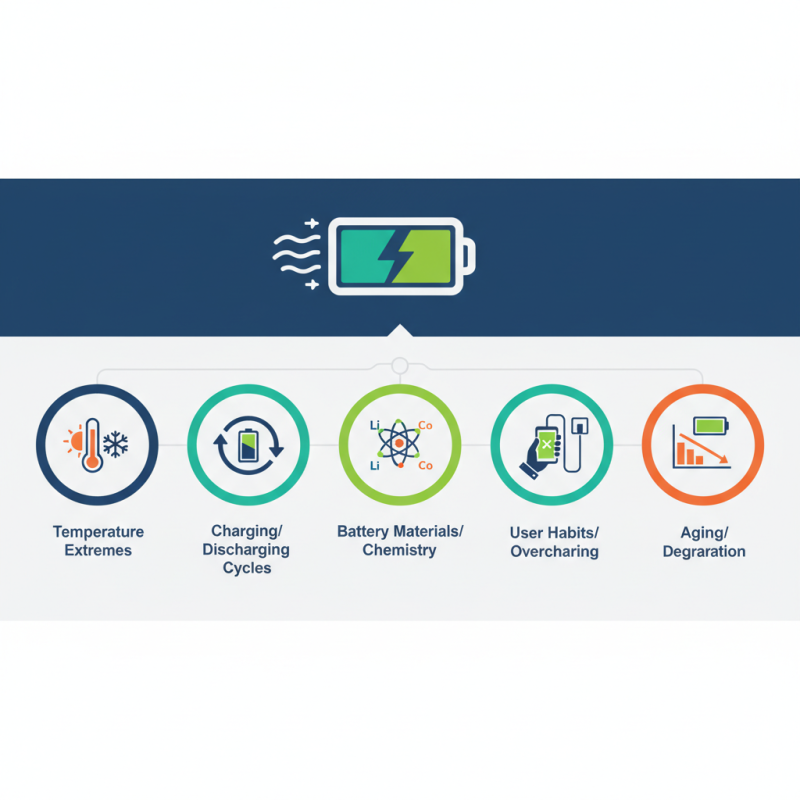
Battery life can be impacted by various factors. Temperature extremes are detrimental. A hot environment can speed up degradation, while cold can hinder performance. Additionally, frequent charging and discharging cycles contribute to battery wear. The materials used in batteries, such as lithium and cobalt, also affect their lifespan and efficiency.

Many consumers overlook how their habits impact performance. For example, leaving devices plugged in after reaching full charge can be harmful. Each of these factors highlights the complexity of battery technology. This knowledge empowers users to take better care of their devices. Understanding what affects battery performance the most can lead to more informed choices and longer-lasting power sources.
Best 5 Factors That Affect Battery Performance the Most?

Factors Influencing Battery Lifespan and Durability

When discussing factors that influence battery lifespan and durability, temperature is often a key player. Batteries typically perform best at moderate temperatures. Extreme heat can accelerate degradation, while excessive cold may hinder capacity. A study from the Department of Energy indicates that elevated temperatures can reduce a battery's lifespan by up to 20% per 10 degrees Celsius increase. Monitoring temperature during usage is crucial to prolonging battery health.

Charging habits also significantly impact battery performance. Fast charging provides convenience, but it can generate heat, which may shorten the battery's lifespan. A report by Battery University states that frequent fast charging can lead to a 30% decline in capacity over time. Using the appropriate charger and avoiding overcharging are essential practices. It is vital to find a balance between convenience and care.

Lastly, the depth of discharge plays a role. Regularly draining a battery to empty can cause significant wear. According to research, keeping the battery between 20% and 80% charged helps maintain its health. Ignoring this guideline may compromise durability, ultimately affecting usage and efficiency. These practices contribute to better battery performance and longevity, yet many users overlook them. Reevaluating charging and usage habits could lead to significant improvements.

Impact of Temperature on Battery Efficiency and Performance

Temperature plays a critical role in battery performance and efficiency. Studies show that batteries function best at moderate temperatures, typically around 20°C to 25°C (68°F to 77°F). As temperature increases, battery efficiency often declines. High heat can accelerate chemical reactions within the battery, leading to faster degradation. This can significantly shorten its lifespan.

Conversely, cold temperatures also negatively impact battery functionality. At low temperatures, the electrolyte's conductivity decreases, leading to reduced capacity and power output. It’s noted that for every 10°C drop in temperature, a battery’s capacity may reduce by nearly 10%. These temperature effects are crucial for applications in electric vehicles and portable electronics, where optimal performance is vital.

Understanding these factors allows users to enhance battery life. Regular monitoring of battery temperature can mitigate performance issues. Implementing temperature management systems can optimize operations. However, many users may neglect this aspect, resulting in underperformance and premature battery failure. Balancing temperature conditions is essential for maximizing the reliability and efficiency of battery systems.

Impact of Temperature on Battery Efficiency and Performance

This chart illustrates how battery efficiency varies with temperature. As temperature increases to an optimal level (25°C), battery efficiency is maximized. However, efficiency declines significantly at extreme temperatures, both low and high, highlighting the importance of maintaining batteries within a specific temperature range for optimal performance.

Role of Battery Chemistry in Energy Storage and Release

Battery performance is significantly influenced by its chemistry. Different electrochemical components play distinct roles in energy storage and release. For example, lithium-ion batteries dominate due to their high energy density. According to industry reports, they can reach an energy density of 250 Wh/kg, which is far superior to lead-acid batteries, averaging only 30 Wh/kg. This allows devices to operate longer without frequent recharging.

Battery chemistry also impacts charging rates. Fast-charging technologies depend on specific materials. Materials like silicon can enhance lithium-ion battery anode performance. Studies indicate that silicon anodes can potentially boost capacity by up to 300%, but they also face expansion challenges and stability issues. These complexities create trade-offs in battery design.

Decomposition and degradation rates vary based on the chemical components used. Some chemistries degrade faster than others, affecting overall lifespan. Research shows that temperature can double the degradation rate in certain battery types. As a result, ongoing innovations are critical. The quest for optimization and sustainable solutions in battery technology continues to drive research and development in the sector.

Effects of Charge and Discharge Cycles on Battery Health

The charge and discharge cycles significantly impact battery health. Each cycle can lead to wear on battery components. As batteries charge, lithium ions move to the anode. Upon discharge, they return to the cathode. This constant movement results in material stress. Over time, this can cause capacity loss.

Frequent deep discharges can take a toll, reducing overall battery lifespan. It's crucial to avoid letting the battery drain completely. Keeping it between 20% and 80% can enhance longevity. Temperature also plays a vital role. Extreme heat can speed up chemical reactions inside the battery, leading to faster degradation.

**Tips:** Use a battery management system to monitor cycles. Regularly calibrate your battery, allowing it to fully discharge and recharge. Reducing exposure to high temperatures can also protect battery health. Remember to check for signs of wear and perform regular maintenance.

Importance of Proper Maintenance for Optimal Battery Function

Maintaining battery health is crucial for optimal performance. Regular care can significantly extend the lifespan of batteries. According to industry experts, proper maintenance can improve battery efficiency by up to 30%. Neglecting this aspect leads to premature failure and decreased performance.

Temperature plays a key role in battery function. Batteries thrive in moderate conditions, ideally between 20°C and 25°C. Extreme temperatures can cause irreversible damage. Excess heat accelerates chemical reactions inside the battery, reducing its capacity quickly. Conversely, cold environments slow down these reactions, resulting in lower voltage output. Awareness of these factors can guide better usage practices.

Cleaning battery terminals is often overlooked. Corrosion can disrupt connections and drain the battery. A simple wipe down with a mixture of baking soda and water can prevent this issue. Furthermore, charging habits influence battery longevity. Overcharging can lead to overheating issues. Experts recommend not exceeding the manufacturer's charging guidelines to preserve performance. Taking these maintenance steps can yield considerable improvements in battery life and efficiency.

FAQS

: What temperature range is best for battery performance?

: Batteries perform best between 20°C and 25°C. Extreme heat or cold can harm them.

How does temperature affect battery lifespan?

High temperatures can reduce lifespan by up to 20% for every 10°C increase.

What impact does fast charging have on battery life?

Fast charging can generate heat, potentially causing a 30% decline in capacity over time.

How can I maintain battery health effectively?

Regular maintenance, such as cleaning terminals, can improve efficiency by up to 30%.

What is the ideal charging range for batteries?

Keeping the battery between 20% and 80% charged is best for durability and performance.

Why is overcharging a concern?

Overcharging may lead to overheating and damage, affecting the overall battery lifespan.

What cleaning method is effective for battery terminals?

A mix of baking soda and water works well to clean and prevent corrosion.

Can poor maintenance affect battery performance?

Yes, neglecting maintenance can lead to premature failure and reduced efficiency.

What can I do to improve battery durability?

Reevaluating charging habits and avoiding extreme temperatures can lead to significant improvements.

Are charging guidelines important for battery life?

Yes, following the manufacturer’s guidelines helps preserve battery performance and lifespan.

Conclusion

Battery performance is influenced by several critical factors, and understanding what affects battery performance the most can help users optimize their energy storage solutions. Key elements include the lifespan and durability of the battery, which are affected by the materials and construction methods used. Temperature plays a significant role in battery efficiency; extreme cold or heat can hinder performance and reduce capacity. Additionally, the chemistry of the battery determines how effectively energy is stored and released, influencing overall functionality.

Moreover, the number of charge and discharge cycles impacts battery health significantly. Frequent cycling can lead to degradation over time. Proper maintenance is also vital for ensuring optimal performance, as neglected batteries may suffer from reduced efficiency and lifespan. By being aware of these factors, users can enhance their battery's longevity and reliability, ensuring they get the most out of their energy source.

Isabella

Isabella

Isabella is a dedicated marketing professional with a sharp focus on driving brand growth and engagement through strategic content creation. With an extensive background in digital marketing, she combines her passion for storytelling with her keen understanding of industry trends to deliver......