10 Best Ways to Test if a Battery is Still Good?

Time:2026-05-16 Author:Madeline
0%

When dealing with batteries, understanding how to test if a battery is still good is essential. Many people have experienced the frustration of a device not working because of a dead battery. However, it is not always obvious whether a battery has reached its end or is simply low on charge. Knowing the signs can save time and money.

There are several reliable methods to check a battery's health. These methods range from simple visual inspections to utilizing advanced equipment. Each approach can help you assess whether a battery can still hold a charge. Some techniques require special tools, while others are easily performed at home.

Taking the time to learn how to test if a battery is still good can empower users. A little knowledge can lead to better decisions about disposal or recharging. Moreover, improper handling can lead to safety risks. Being aware of these factors can enhance your overall experience with battery-operated devices. Understanding the difference between a good and bad battery is crucial for effective device management.
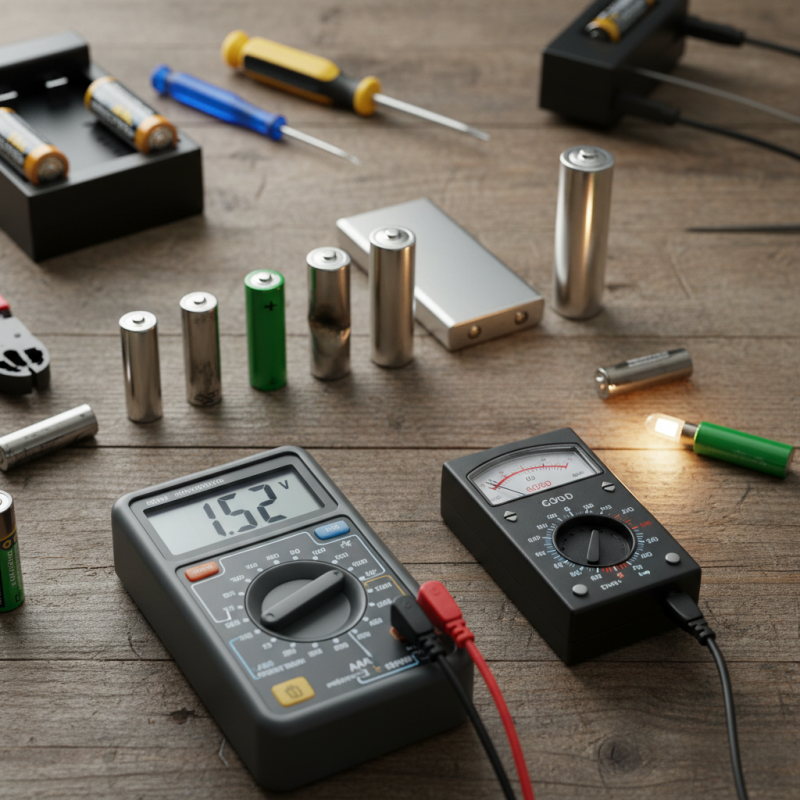
10 Best Ways to Test if a Battery is Still Good?

Understanding the Importance of Battery Testing

Testing batteries is crucial for ensuring they function properly in devices. Many rely on batteries for daily operations, from remote controls to smoke detectors. A dead battery can lead to inconvenience and even safety issues. Thus, understanding battery testing becomes essential for every user.


Different methods exist to check battery health. A multimeter offers accurate readings, but not everyone has one. People often rely on simple indicators, like a flashlight's brightness. This method is less precise, leading to potential misunderstandings about battery life. Over time, frequent testing helps build insights into when to replace batteries.


Users can also observe performance inconsistencies. A device may slow down or fail unexpectedly. Noticing these signs can encourage proactive testing. Forgetting to test batteries can result in emergencies. Regular assessments allow users to prevent disruptions and maintain smooth operation.

Visual Inspection Techniques for Checking Battery Health

When assessing a battery's health, visual inspection is an essential first step. Look for any signs of corrosion, such as white or greenish powder around the terminals. This substance can affect performance. Damaged terminals are another red flag. Even a slight crack can indicate internal problems.

Next, check for physical deformities. A swollen or bulging battery suggests that it may be failing. This is often due to overheating or overcharging. These physical changes can help you understand the battery's condition. In some cases, things may look fine on the outside, but issues are lurking beneath the surface.

Even with a thorough visual inspection, testing is key. Sometimes, batteries appear normal yet fail to hold a charge. This can be frustrating. Reflect on your observations and consider using further tests if needed. Trust your instincts, but remain cautious. Only rely on visual clues alongside other battery testing methods for a complete assessment.

Simple Household Methods to Test Battery Voltage

Testing whether a battery is still good is essential. Simple household methods can help you determine battery voltage with ease. One effective technique involves using a multimeter. Set the multimeter to the DC voltage setting. Touch the red probe to the positive terminal and the black probe to the negative terminal of the battery. A reading close to the rated voltage means the battery is strong.

Another method is the drop test. Hold the battery about six inches above a hard surface. Let it drop. A good battery will bounce slightly and land upright. A dead battery will often land on its side or with minimal bounce. This may not be the most accurate method but can be quick for household testing.

Tips: Always prioritize safety. Make sure to wear safety goggles when handling batteries. Storing batteries in a cool, dry place prolongs their life. If you notice any corrosion on the terminals, consider disposing of the battery properly, as it may be unsafe to use. Testing batteries at home can save you time and money, but it's crucial to recognize the limitations of these tests.

Utilizing Multimeters for Accurate Battery Testing

When it comes to testing a battery, using a multimeter offers reliable insights into its health. A multimeter measures voltage, which indicates whether a battery can hold a charge. Place the multimeter probes on the battery terminals. A healthy battery should show a voltage close to its rated level. If the reading is significantly lower, the battery might be weak or dead.

A key tip is to ensure your multimeter is properly calibrated. This ensures accurate readings. If you notice inconsistent voltage levels across similar batteries, the multimeter may need checking. Remember, batteries can also appear fine but might have internal damage.

Another useful approach involves checking the battery under load. This simulates real-world conditions. Apply a light load while measuring the voltage. If the voltage drops dramatically, consider replacing the battery. Testing regularly prevents unexpected failures. Keeping track of how old your batteries are can also guide your testing strategy. Regular checks contribute to better performance and safety in daily use.

10 Best Ways to Test if a Battery is Still Good

Testing Method Description Result Indicators
Voltage Measurement Use a multimeter to measure the battery voltage. Compare it to the rated voltage. If voltage is above 75% of rated, battery is good.
Load Test Apply a load to the battery and observe how it holds voltage. Drop in voltage indicates a weak battery.
Physical Inspection Check for corrosion, leakage, or swelling in the battery. Any sign of damage often means replacement is needed.
Conductance Test Use a conductance tester to measure the internal resistance of the battery. Low conductance indicates a healthy battery; high implies degradation.
Temperature Measurement Measure the battery temperature while charging or under load. Excessive heat may mean the battery is failing.
Hydrometer Test (for lead-acid batteries) Check electrolyte density with a hydrometer. Low density indicates a weak battery.
Battery Analyzer Use a digital battery analyzer for detailed diagnostics. Provides information on capacity and health status.
Battery Cycle Evaluation Evaluate the number of charge-discharge cycles the battery has been through. High cycles generally indicate reduced capacity.
Visual LED Indicators Check any built-in visual indicators for battery status. Color codes inform about healthy versus low charge.

Advanced Testing Equipment for Professional Battery Evaluation

When evaluating battery health, advanced testing equipment is essential for professionals. This equipment goes beyond basic methods. It allows for precise analysis and validation of battery performance. For instance, a battery analyzer can measure voltage and internal resistance effectively. These metrics reveal the true condition of a battery. Understanding these metrics can prevent equipment failure.

Another useful device is the electrochemical impedance spectroscopy (EIS) tool. It assesses the battery's electrochemical properties. This advanced assessment provides insights into degradation mechanisms. However, such equipment can be complex and requires expertise. Technicians must be trained to interpret data accurately. Misinterpretation may lead to poor service choices.

Professional evaluation may involve a thermal camera as well. It detects hot spots and anomalies in battery function. Issues not visible to the naked eye can be identified this way. However, using multiple tools can complicate the evaluation process. Ensuring accurate readings requires time and skill.

Each piece of equipment adds value, but inconsistencies may arise without careful handling. Balancing technology and experience is key to reliable battery assessment.

FAQS

: Why is battery testing important?

: Battery testing ensures devices function well. Dead batteries cause inconveniences and can create safety issues.

How can I check battery health at home?

Simple indicators like flashlight brightness can help. However, using more precise methods is often better.

What signs indicate a battery may be failing?

Performance inconsistencies, like devices slowing down, can signal failing batteries. Notice these signs early.

What should I look for during a visual inspection?

Check for corrosion around terminals. Look for cracks, bulges, or swelling on the battery surface.

Can a battery look fine but still be faulty?

Yes, batteries can appear normal yet fail to hold a charge. Trust visual clues but also test them.

What is a quick household method to test battery voltage?

Use a multimeter by touching probes to battery terminals. A reading near the rated voltage indicates strength.

Is the drop test a reliable method for checking batteries?

The drop test is quick, but not very accurate. It may show if a battery is dead or alive.

How should I store my batteries to prolong their life?

Store batteries in a cool, dry place. This helps maintain their performance and extend longevity.

What safety precautions should I take when testing batteries?

Wear safety goggles when handling batteries to protect your eyes. Always prioritize safety during testing.

What should I do if I find corrosion on my battery?

Dispose of the battery properly if you notice corrosion. It can be unsafe to use and may cause issues.

Conclusion

When considering how to test if a battery is still good, it's essential to grasp the significance of battery testing for both personal safety and device functionality. The first step involves visual inspection techniques, where signs of corrosion or leaks can indicate battery issues. Simple household methods, such as using basic tools to check voltage, can quickly provide insight into a battery's condition.

For more precise assessments, employing a multimeter offers accurate readings of battery voltage and health, ensuring a thorough evaluation. Lastly, for those requiring professional standards, advanced testing equipment can deliver comprehensive battery evaluations. By following these methods, individuals can confidently determine the viability of their batteries and make informed decisions regarding replacements.

Madeline

Madeline

Madeline is a dedicated marketing professional with a wealth of expertise in our company's core offerings. With a keen understanding of the industry, she brings a unique perspective to her role, consistently delivering high-quality content that highlights the superior aspects of our products. As......