Rechargeable batteries have become a staple in modern life. They offer numerous benefits over traditional disposable batteries, making them a popular choice for daily use. Dr. John Rivers, a noted energy expert, asserts, "Rechargeable batteries not only save money but also reduce waste significantly." This quote encapsulates the essence of why many are shifting to rechargeable options.
Why are rechargeable batteries better for daily use? One reason is their cost-effectiveness. Over time, they can save users significant amounts compared to constantly purchasing disposables. Furthermore, rechargeable batteries have a longer lifespan. A single rechargeable battery can often replace hundreds of disposables. This longevity translates into less frequent replacements, which is both economical and environmentally friendly.
While the initial investment in rechargeable batteries may seem high, the long-term savings and environmental benefits outweigh the upfront costs. However, it’s important to be mindful of the need for proper charging and storage. Misuse can lead to diminished battery life. Understanding the proper use of these batteries can enhance their effectiveness. Reflecting on these aspects opens the door for better choices in daily battery use.
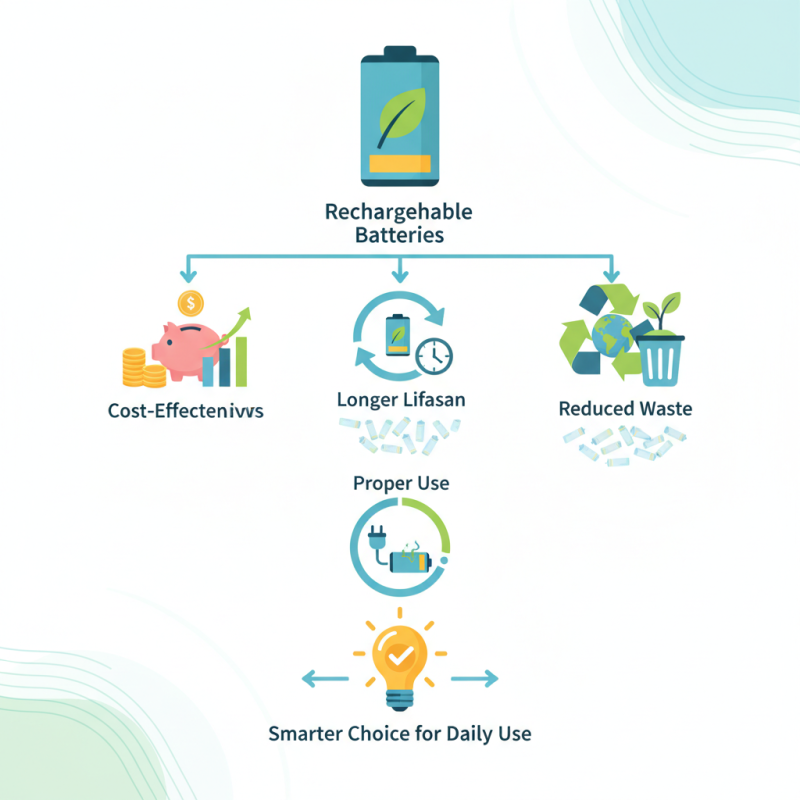
Rechargeable batteries are rapidly becoming a staple in modern households. These batteries offer numerous advantages over traditional disposable options. According to a recent industry report, over 80% of consumers prefer rechargeable batteries due to their long-term cost savings. The initial investment can seem high, yet the ability to recharge thousands of times provides an undeniable financial benefit.
The environmental impact of rechargeable batteries significantly outweighs that of single-use batteries. Research indicates that a single rechargeable battery can replace up to 1,000 disposable counterparts. This shift can significantly reduce hazardous waste in landfills. However, it's crucial to recognize that not all rechargeable batteries are created equal. The technology behind them is evolving, but some still face issues like capacity degradation over time. Understanding these limitations is essential for making informed choices.
Data from environmental studies highlight that rechargeable batteries contribute to a 40% reduction in carbon footprint over their lifespan. This statistic mirrors a growing shift toward sustainability in energy solutions. Still, the complexity of battery recycling processes often leaves consumers confused. Many are unaware of proper disposal methods, which could undermine their environmental benefits. Addressing these concerns is vital for fostering a culture of responsible battery usage and recycling.
Using rechargeable batteries in daily life offers several key advantages. They are cost-effective over time. While the initial investment may be higher, they can last years with proper care. Many households rely on various devices that require power. Rechargeable batteries can significantly reduce overall costs when used instead of single-use options.
Another major benefit is their environmental impact. Traditional batteries contribute to pollution and landfill waste. In contrast, rechargeable batteries reduce the frequency of disposal, leading to less waste. It’s essential to dispose of them properly as well, to further minimize environmental damage.
Moreover, the convenience of rechargeable batteries cannot be overlooked. They are easy to recharge at home. With a simple charging station, keeping devices powered becomes hassle-free. Nevertheless, the need for regular charging can be seen as a drawback. Users must adjust their habits to ensure devices are ready when needed. Embracing rechargeable batteries invites both savings and a more thoughtful approach to energy use.
Rechargeable batteries offer a significant advantage in reducing environmental waste. Traditional batteries are often discarded after one use, contributing to landfill overflow. These batteries can take years to decompose. In contrast, rechargeable batteries can be used hundreds of times. This results in fewer batteries being produced and ultimately discarded.
Moreover, each use of a rechargeable battery means fewer raw materials taken from the earth. Mining for battery materials can be harmful to ecosystems. By using rechargeable options, individuals can help lessen their ecological footprint. However, it’s important to acknowledge that not all rechargeable batteries are created equal. Some may still have short lifespans or performance issues. Researching the right type can be essential.
While the initial cost of rechargeable batteries might seem higher, they often save money over time. It’s worth evaluating your usage habits. Are you using batteries frequently? If so, the switch can be worthwhile. Some people may worry about the charging process. Yet, most devices today are designed to accommodate this. Embracing rechargeable batteries is a step toward a more sustainable future.
Choosing rechargeable batteries significantly reduces waste compared to single-use batteries. Each year, an average of 5 kg of waste is generated from rechargeable batteries, compared to 50 kg from single-use batteries, emphasizing the environmental benefits of rechargeable options.
Rechargeable batteries offer significant cost savings for daily use. While the initial investment may seem higher, they pay off in the long run. Each rechargeable battery can replace hundreds of disposable ones. This translates to reduced spending over time.
Using rechargeable batteries can lead to reduced waste. Fewer batteries end up in landfills, which is better for the environment. However, it's essential to ensure they are charged properly. Improper charging can shorten their lifespan. Consider using a quality charger that suits your batteries.
The long-term savings add up quickly. Imagine powering your devices without constantly buying new batteries. This benefit is especially noticeable for frequently used items like remote controls and toys. Some users may find it challenging to establish routines for recharging. Yet, with careful planning, adopting these batteries becomes a valuable and responsible choice.
Rechargeable batteries have gained popularity due to their versatility in various devices and appliances. From household items like remote controls and toys to portable electronics such as smartphones and laptops, these batteries cater to a wide array of needs. Users appreciate the ability to recharge them multiple times, which not only saves money but also reduces waste. The convenience they offer makes them an essential choice for everyday use.
In addition, rechargeable batteries can power higher-demand devices. Cameras and gaming consoles often require robust energy solutions. Rechargeable batteries meet this demand effectively. Their performance may vary, though. Some users report that not all rechargeable options hold a charge as well as expected. Battery life can fluctuate based on use and charging habits. It's crucial to understand which types work best for specific devices to maximize efficiency.
While many people enjoy the benefits, challenges remain. Users must consider the charging time, which can be longer than disposable options. Sometimes, older rechargeable batteries lose capacity over time. Regular maintenance and correct usage are vital. Finding the right balance between convenience and performance requires experimentation. It's worthwhile to explore different brands and types for the best experience.
: Rechargeable batteries save money long-term and can be used thousands of times.
They replace up to 1,000 disposable batteries, reducing hazardous waste significantly.
No, some may degrade over time. Understanding their limitations is crucial.
They can lower carbon emissions by 40% over their lifespan when used properly.
Many consumers are unaware of proper disposal methods, potentially harming the environment.
The upfront cost is higher, but savings accumulate over years of use.
Regular charging is necessary, which may disrupt daily habits for some users.
Proper care and regular monitoring of capacity can help extend their life.
They contribute to pollution and increase landfill waste significantly.
A simple charging station is needed at home for ease of use.
Rechargeable batteries have become an essential modern energy solution, offering numerous benefits for daily use. One of the key advantages is their positive environmental impact; by reducing waste and minimizing single-use battery disposal, rechargeable batteries contribute significantly to sustainability efforts. Additionally, they provide cost-effectiveness through long-term savings, as users can recharge and reuse them multiple times, which reduces the need for constant replacements.
Furthermore, the versatility of rechargeable batteries allows them to power a wide range of devices and appliances, from household gadgets to portable electronics. This adaptability makes rechargeable options not only practical but also ideal for those seeking convenience. In summary, when considering "Why are rechargeable batteries better for daily use," it becomes clear that their environmental benefits, long-term cost savings, and multifunctional applications make them a superior choice for consumers.

SK Battery