Battery maintenance plays a critical role in ensuring the longevity of battery performance. Many users overlook this important aspect. This neglect can lead to reduced efficiency and lifespan of batteries. This raises the question, "Why do batteries need maintenance?"
Regular maintenance helps identify issues early. Checking voltage levels and cleaning terminals can prevent failure. Neglected batteries may suffer from corrosion or leaks. These problems are often avoidable with simple care steps. Lack of attention can lead to significant costs and safety hazards.
Understanding battery maintenance is key to preserving energy sources. Many users may not realize that a well-maintained battery can last significantly longer. With proper care, performance can improve, and replacement might be delayed. Ultimately, knowing the importance of maintenance can enhance overall battery reliability.
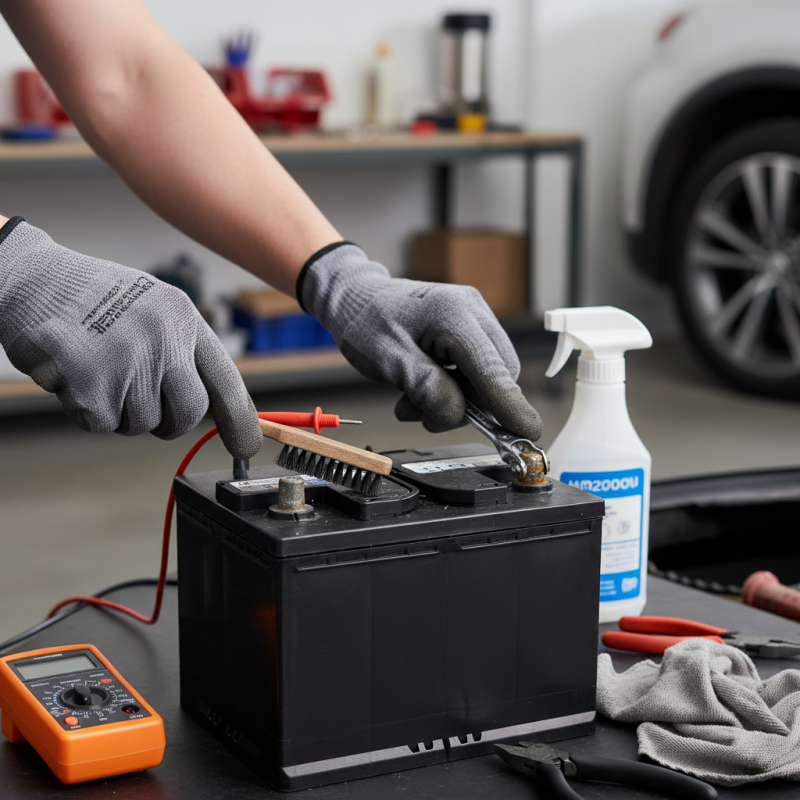
Battery lifespan is crucial to the performance of electronic devices and vehicles. According to a study by the National Renewable Energy Laboratory, improper maintenance can reduce battery life by as much as 50%. Regular care can extend the life of batteries significantly. Monitoring temperature is vital, as batteries operate best within specific temperature ranges. Exposing them to extreme heat or cold accelerates deterioration.
Another key factor is charging cycles. A report from the International Energy Agency states that lithium-ion batteries can significantly degrade after 500 to 1,000 cycles. Each cycle represents a full discharge and recharge of the battery. Users often overlook this, leading to premature failures. Moreover, allowing batteries to fully discharge can create additional stress, resulting in further degradation.
Ignoring maintenance intricacies may result in performance issues. This can manifest as reduced capacity or shortened usage time before needing a recharge. Enhanced awareness can help users avoid mistakes that shorten battery lifespan. Being mindful of these factors leads to better, longer-lasting battery performance.
Battery maintenance plays a crucial role in extending the lifespan of batteries used in various devices. Poor maintenance can lead to several common problems. One significant issue is sulfation. This occurs when lead sulfate crystals form on the battery plates. According to industry reports, sulfation can reduce battery efficiency by up to 70%. Regular checks can prevent this problem.
Another common consequence is battery leakage. When a battery is not maintained, it can corrode and leak harmful substances. The Environmental Protection Agency notes that improper disposal and maintenance of batteries have led to hazardous waste issues. Keeping batteries clean and monitoring for corrosion is essential.
**Tip:** Regularly inspect battery terminals for dirt and corrosion. A simple wipe can prevent major issues.
Moreover, insufficient charging can also lead to premature battery failure. A report by the Battery University states that batteries should not be left in undercharged states for extended periods. Doing so can lead to irreversible damage.
**Tip:** Always charge your batteries fully and avoid deep discharges. Check voltage levels regularly to ensure optimal performance.
Inadequate maintenance can lead to unexpected downtime and increased costs in replacement batteries. Investing time in proper care can mitigate these risks.
Maintaining batteries is crucial for their longevity. Proper practices ensure longer life and consistent performance. Start by keeping batteries clean. Dirt and grime can cause poor connections, leading to reduced efficiency. Use a soft cloth to wipe battery terminals regularly.
Temperature is another critical factor. Batteries perform best in moderate conditions. Extreme heat or cold can damage battery cells. Store batteries in a cool, dry place. This helps mitigate wear and tear due to environmental factors.
Check battery levels frequently. For rechargeable batteries, ensure they are not overcharged. Overcharging can shorten lifespan and affect performance. Regularly monitor voltage levels to avoid unexpected failures. Adjusting your routines based on these observations can greatly extend battery life.
Temperature and storage significantly influence battery health. Extreme temperatures can accelerate degradation. High heat can cause batteries to swell or leak. Cold conditions, on the other hand, can reduce capacity and efficiency. Finding a stable environment is crucial for prolonging battery life.
When storing batteries, opt for a cool, dry space. Avoid direct sunlight and humid areas. A temperature range between 15 to 25 degrees Celsius is ideal. If you leave batteries unused for a long time, periodically check their charge. This can prevent deep discharge, which is harmful.
Tips: Consider your battery's surroundings. Do not expose it to drastic temperature shifts. Use insulation materials if necessary. Store batteries in their original packaging, if possible, to ensure their safety. Keeping track of storage conditions can make a notable difference in battery longevity.
This bar chart illustrates the impact of various temperatures on battery discharge rates. As temperatures increase to an optimal range (20°C), battery performance is maximized; however, extreme temperatures can significantly reduce its effectiveness.
Battery maintenance is crucial for ensuring longevity. Knowing when to maintain or replace a battery can save money and prevent inconvenience. Signs of a struggling battery can include physical damage, swelling, or corrosion. A report from the International Energy Agency indicates that nearly 30% of batteries show these warning signs by their third year of usage.
Inconsistencies in power delivery are major indicators. If a device fails to hold charge or dies unexpectedly, this could indicate a failing battery. According to a study by the Battery University, batteries that encounter frequent deep discharges might degrade faster. Users often overlook these signs, assuming temporary performance issues are benign.
Temperature changes can also provide clues about battery health. Batteries exposed to extreme heat or cold may exhibit reduced efficiency. Studies suggest that high temperatures can shorten battery life by about 50%. Regularly assess your battery’s condition. An attentive user can prolong battery life by proactively addressing these issues. Ignoring the signs can lead to higher replacement costs and inconvenience in daily use.
: Battery lifespan affects the performance and efficiency of devices and vehicles.
Improper maintenance can reduce battery life by up to 50%, leading to frequent replacements.
Batteries work best in stable temperatures. Extreme heat or cold can cause rapid deterioration.
Most lithium-ion batteries degrade after 500 to 1,000 full charging cycles.
Fully discharging a battery can create stress, leading to additional degradation.
Store batteries in a cool, dry place between 15 to 25 degrees Celsius, away from sunlight.
Periodically check the charge of unused batteries to avoid harmful deep discharge.
Ignoring maintenance and temperature impact leads to reduced capacity and shorter usage time.
Drastic temperature shifts can harm battery efficiency. Keeping it stable is vital.
Avoid humid areas, direct sunlight, and ensure insulation materials if needed. Check conditions regularly.
Battery maintenance is crucial for ensuring the longevity of batteries, as it directly impacts their lifespan and efficiency. Understanding why batteries need maintenance involves recognizing that neglect can lead to common problems such as reduced performance, shorter lifespan, and potential safety hazards. To effectively maintain batteries, implementing key practices such as regular inspections, proper charging habits, and maintaining clean terminals is essential.
Temperature and storage conditions also play a significant role in battery health; extreme temperatures can damage battery components and reduce functionality. Furthermore, being aware of the signs indicating the need for maintenance or replacement—such as decreased capacity or swelling—can help users take timely action, ultimately ensuring that batteries function optimally and last longer.

SK Battery