Batteries are an essential part of our daily lives, powering everything from smartphones to electric vehicles. However, battery swelling is a phenomenon that raises concerns among users and manufacturers alike. According to Dr. Emily Carter, a leading expert in battery technology, "Understanding why batteries swell and how to prevent it is critical for safety and performance." The swelling in batteries often signals a chemical issue that can lead to failure.
The primary cause of battery swelling is gas buildup during the charging process. High temperatures and overcharging can exacerbate this issue. Effective management of these factors is key to preventing damage. Consumers and manufacturers must be vigilant in monitoring battery health. Ignoring swelling can result in leaks or even explosions, which could have serious consequences.
In learning "Why do batteries swell and how to prevent it," users can adopt better practices. Regularly checking battery condition and avoiding extreme temperatures are practical steps. However, it is also important to recognize that not all battery designs are equally robust. Each device may respond differently to stressors, reflecting the ongoing need for research and improvement in the industry. Balancing performance with safety remains an important challenge.
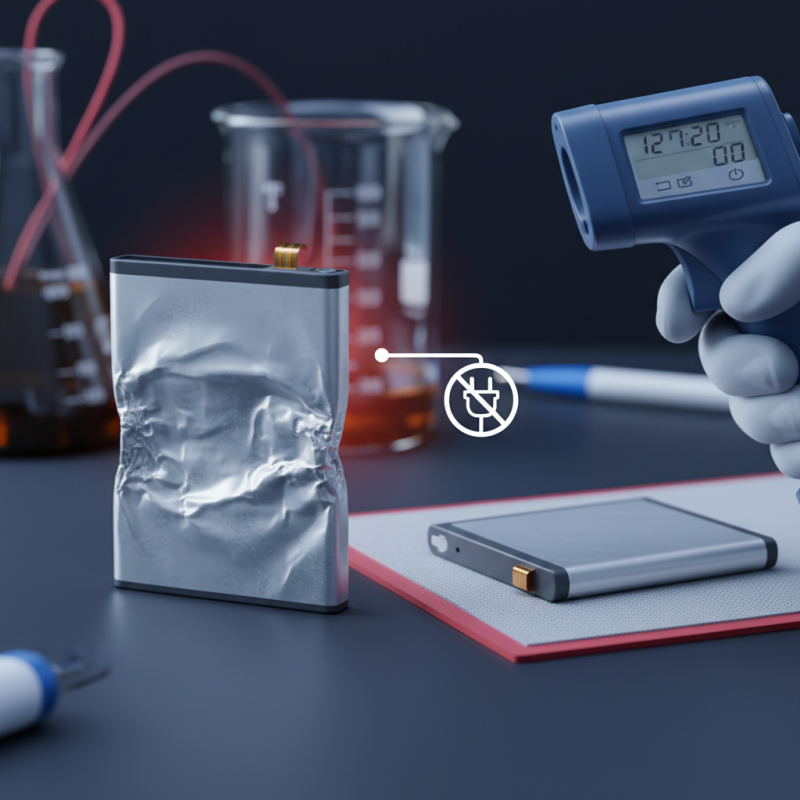
Battery swelling is a common issue that can lead to serious device malfunctions. Understanding the mechanisms behind this phenomenon involves both chemical and physical factors. When a battery discharges and recharges, chemical reactions occur that can produce gas. This gas builds up and leads to swelling. Research from the Journal of Power Sources noted that lithium-ion batteries are particularly susceptible due to their energy density and how the electrodes react under certain conditions.
Temperature plays a crucial role in battery performance. High temperatures can accelerate degradation, leading to increased gas production. A study from the Institute of Electrical and Electronics Engineers (IEEE) found that batteries operating above 60°C experienced swelling within three charge cycles. This magnetic effect can compromise the integrity of the device, requiring immediate attention.
**Tips:** Store batteries in a cool, dry place. Avoid exposing them to extreme temperatures. Regularly check devices for signs of swelling to address issues early.
Swelling can also arise from overcharging, which forces more ions into the battery than it can handle. This excess can create unwanted reactions. Data from the Battery University suggests that consistent overcharging reduces battery lifespan significantly. It’s important to use appropriate chargers and adhere to recommended charging times to mitigate these risks.
: Battery swelling can occur due to chemical reactions, overheating, and overcharging.
High temperatures can accelerate degradation, leading to increased gas production and swelling.
Overcharging causes excess voltage, which breaks down electrolytes and produces gas.
Yes, defects from production can lead to poor sealing and inferior materials, increasing swelling risk.
Nearly 30% of battery failures result from overcharging.
Charging overnight can lead to overheating and reduce battery lifespan.
Store batteries in a cool, dry place and avoid extreme temperatures.
Regularly check devices for visible signs of swelling to address potential issues promptly.
Gas builds up from chemical reactions when batteries discharge and recharge, causing swelling.
Use appropriate chargers and follow recommended charging times to avoid swelling risks.
The article "Why Do Batteries Swell and How to Prevent It" examines the underlying mechanisms behind battery swelling, emphasizing both chemical and physical factors that contribute to this issue. Common causes are identified, including manufacturing defects and overcharging, which can lead to compromised battery integrity. Additionally, temperature plays a significant role in affecting battery health, demonstrating the importance of maintaining optimal conditions for usage.
To mitigate the risk of swelling, the article highlights best practices for users, such as monitoring charging habits and ensuring proper ventilation. Understanding the relationship between battery swelling and its impact on performance and safety is crucial for extending battery lifespan. By following these guidelines, users can effectively minimize the chances of battery swelling and enhance overall device reliability.

 SK Battery