As winter approaches, many people wonder, "Why do batteries perform worse in cold weather?" This question holds significant importance, especially for those relying on batteries for daily tasks. Cold temperatures impact battery chemistry and efficiency. The decrease in temperature leads to sluggish reactions within the battery's electrolyte, reducing its ability to generate power.
When temperatures drop, battery capacity diminishes. A fully charged battery may only perform at half its potential in extremely cold conditions. Devices like smartphones, electric vehicles, and power tools often struggle, leaving users frustrated. Testing in various climates reveals marked performance variances, underscoring the need for understanding this phenomenon.
Moreover, the relationship between battery life and temperature raises concerns for manufacturers. They must design more resilient batteries. As consumers, we must reflect on our usage habits during winter months. Knowing the effects of temperature can help us mitigate issues. Embracing this knowledge empowers users to make informed choices, enhancing their experience with battery-powered devices.
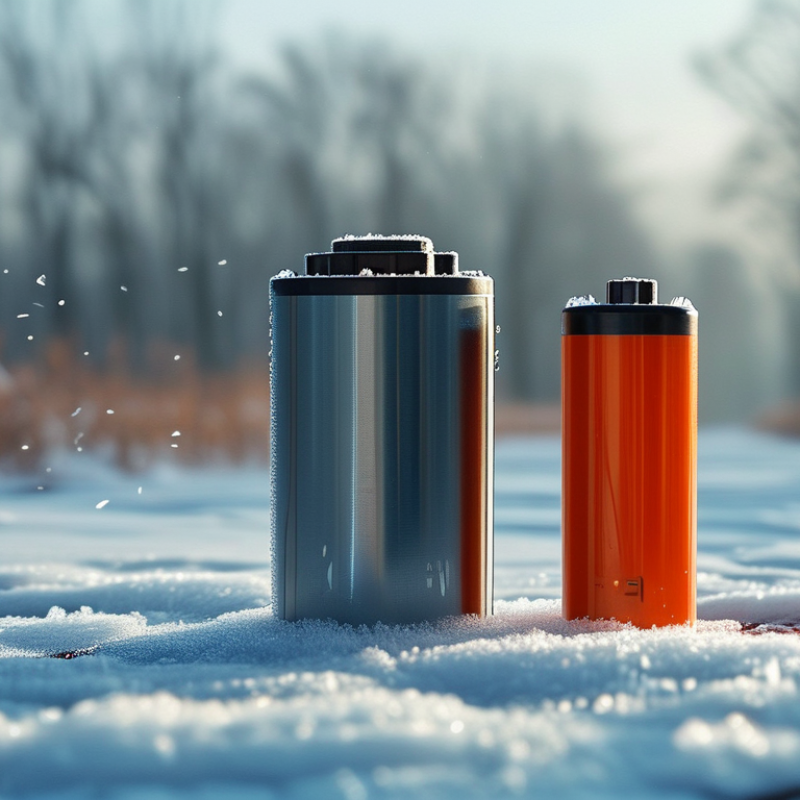
Cold weather significantly impacts battery performance. As temperatures drop, chemical reactions within batteries slow down. This results in lower voltage output and reduced energy capacity. Industry reports indicate that a battery can lose up to 20% of its capacity at freezing temperatures. The electrolyte inside the battery thickens, making it harder for ions to flow. This is especially critical for lithium-ion batteries, which are widely used in portable devices.
Users may notice that their devices die quickly or fail to charge properly in cold conditions. For optimal performance, keeping batteries at moderate temperatures is crucial. If possible, store batteries indoors and avoid exposing them to extreme cold. When outdoors, try to keep devices close to your body heat.
Regular maintenance can also help. Keeping battery terminals clean prevents corrosion and improves conductivity. In extreme cold, consider warming your device briefly before use. These small actions can enhance performance during winter months. Overall, understanding battery chemistry allows for better handling, especially when temperatures fall.
Cold weather significantly impacts battery performance due to its effects on electrochemical reactions. When temperatures drop, the chemical processes within the battery slow down. This results in reduced ion mobility, which is crucial for generating electrical energy. According to the Battery University, a decrease in temperature can lead to a 20% reduction in battery capacity. As a result, devices may operate poorly or lose power much faster during frigid conditions.
In an analysis conducted by the National Renewable Energy Laboratory, it was found that at temperatures around 32°F (0°C), batteries can lose up to 40% of their capacity. This sharp decline affects operational efficiency in electric vehicles and portable electronics. Even hybrid systems can struggle as the cold can hinder the battery's ability to recharge. So, it becomes essential for users to be aware of temperature effects on battery life.
Tip: Keep batteries stored in a warmer area when not in use. Limit exposure to extreme cold. Consider using insulated cases for extra protection.
Another aspect to consider is age. Older batteries may already be less efficient. In cold weather, this inefficiency is amplified. Users should keep an eye on battery health. It’s advisable to monitor performance, especially in winter months. Regular check-ups can extend battery life and ensure optimal performance.
Tip: Regularly check your battery's health and replace it when necessary. Don't wait for performance issues to arise.
Cold weather can significantly impact battery performance. This is especially noticeable in devices such as electric vehicles or smartphones. The lower temperatures cause physical changes in the battery components, which can lead to reduced efficiency.
When temperatures drop, chemical reactions within the battery slow down. This affects how quickly ions can move between the anode and cathode. As a result, batteries may not hold a charge as well. The electrolyte can also become more viscous in colder temperatures, further hindering ion flow.
These physical changes can leave users frustrated. People might find their devices draining faster than usual. On the other hand, understanding these effects can help users adapt. Keeping batteries warm can mitigate some performance loss. It’s essential to recognize these limitations when using battery-powered devices in cold weather.
Batteries perform differently in cold weather. This is true for all types of batteries, but the extent varies. Let's explore how different battery types respond to low temperatures.
Lithium-ion batteries, commonly used in smartphones and electric vehicles, tend to struggle in the cold. Their performance can drop by up to 40% when temperatures fall below freezing. The chemical reactions inside slow down, causing reduced capacity. This drives some to worry about their battery life during winter months, especially during long road trips.
Lead-acid batteries, often found in cars, also lose effectiveness in cold weather. They experience increased internal resistance. This leads to difficulty in starting engines. At 32°F, their capacity can decrease by 50%. In extreme cold, they may not function at all. It’s crucial to consider these factors when maintaining batteries. Understanding how temperature affects performance can help users make better choices.
| Battery Type | Optimal Temperature (°F) | Performance Drop at 32°F (%) | Performance Drop at 0°F (%) | Use Case |
|---|---|---|---|---|
| Lead-Acid | 70°F | 20% | 50% | Automotive |
| Lithium-Ion | 65°F | 10% | 30% | Consumer Electronics |
| Nickel-Metal Hydride | 70°F | 15% | 35% | Hybrid Vehicles |
| Alkaline | 70°F | 25% | 60% | Household Devices |
Cold weather presents a unique challenge for battery performance. As temperatures drop, the chemical reactions inside batteries slow down. This reduces their efficiency and capacity. For instance, a battery at 32°F can lose nearly 20% of its charge. In extreme cold, this loss can be even more pronounced. Drivers often face issues starting their vehicles in frigid temperatures. Understanding these challenges is crucial.
To mitigate performance loss, users can take several practical steps. Keep batteries warm whenever possible. Parking indoors or using battery insulation can help retain heat. Additionally, charging batteries regularly during cold months can maintain their health. It is also wise to limit high-drain activities. For example, avoid using heated seats or defrosters for extended periods in the winter.
Moreover, maintaining proper battery health is vital. Regular checks can identify potential problems before cold weather hits. Look for signs of wear, like corrosion on terminals. Further, consider using a battery maintainer. These devices help keep batteries at optimal charge during long periods of inactivity. Each of these strategies can help manage battery performance in cold conditions. Experiencing performance loss might prompt users to reassess their practices. Adapting habits can lead to better outcomes during harsh weather.
As temperatures drop, battery capacity significantly degrades. The bar chart above illustrates the impact of temperature on battery capacity, showing how extreme cold conditions can reduce performance drastically.
: Cold weather slows chemical reactions in batteries, reducing voltage and energy capacity.
A battery can lose up to 20% of its capacity at freezing temperatures.
Devices may die quickly due to lower voltage output and thickening electrolytes in the cold.
Store batteries indoors and avoid extreme cold to maintain moderate temperatures.
Consider warming your device briefly before use to enhance performance.
They can lose up to 40% of their capacity when temperatures drop below freezing.
They experience increased internal resistance and can lose up to 50% capacity at 32°F.
Yes, keeping battery terminals clean can prevent corrosion and improve conductivity.
Lower temperatures slow down chemical reactions, leading to decreased battery capacity and performance.
Yes, in very low temperatures, some batteries may not work at all.
Batteries are essential for powering many of our devices, but their performance can significantly drop in cold weather. This phenomenon raises the question, "Why do batteries perform worse in cold weather?" The core reason lies in the chemistry of batteries; lower temperatures slow down the electrochemical reactions that produce electricity. Additionally, physical changes in battery components, such as increased viscosity of electrolytes and potential solidification of certain elements, further hinder performance.
Different types of batteries exhibit varying levels of performance in cold conditions. For instance, lithium-ion batteries generally fare better than traditional lead-acid batteries. However, there are several strategies that users can employ to mitigate performance loss, including proper insulation, keeping batteries warm, and using thermal management systems. Understanding these factors can help improve battery longevity and efficiency even in colder climates.

SK Battery