Why Do Batteries Lose Charge Over Time Explained?

Time:2026-07-27 Author:Sienna
0%

In our daily lives, batteries are essential. They power our devices, from smartphones to electric cars. However, a common question arises: "Why do batteries lose charge over time?" Understanding this phenomenon is crucial for any tech user.

Batteries gradually lose charge due to chemical reactions within. Over time, these reactions create byproducts that hinder performance. Factors like temperature and usage patterns also play a significant role. For example, high heat can accelerate degradation, leading to faster charge loss.

Many users may wonder if they can prevent this issue. While maintenance can help, it’s challenging to stop natural wear. Even the best batteries decline over time. Reflecting on the science behind battery life can enhance our appreciation for these compact powerhouses.
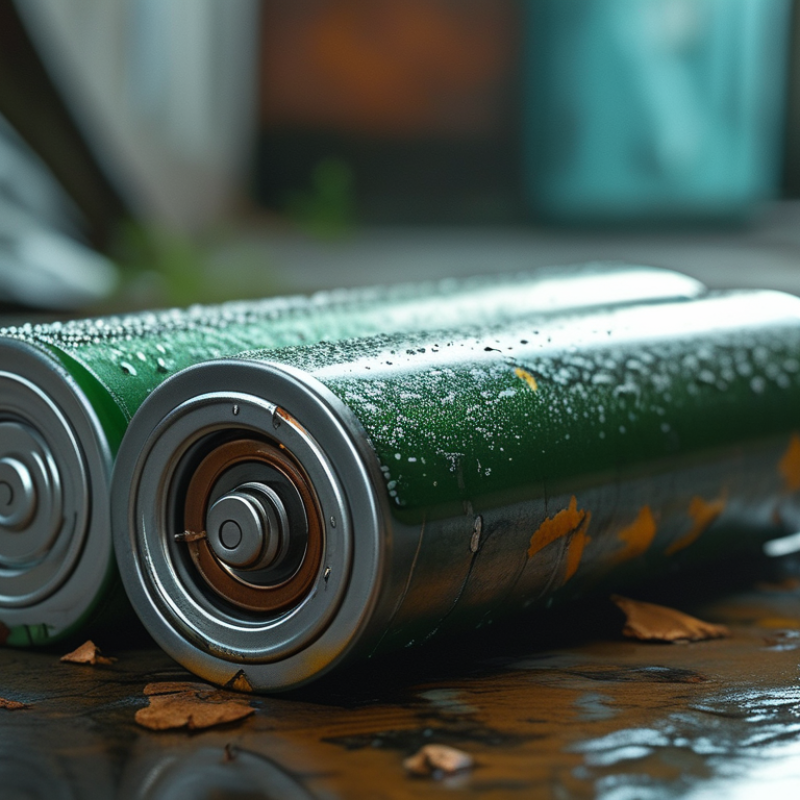
Why Do Batteries Lose Charge Over Time Explained?

Understanding Battery Chemistry and Structure

Batteries are intricate devices powered by complex chemistry. They store energy through chemical reactions. Over time, these reactions can degrade. Understanding battery chemistry and structure sheds light on why batteries lose charge.

Inside a battery, there are electrodes and electrolytes. The anode and cathode play crucial roles. They undergo oxidation and reduction reactions to generate electricity. However, this process isn't perfect. Factors like temperature and usage create wear. Electrode materials can deteriorate, leading to reduced capacity.

Additionally, chemical impurities accumulate over time. This can hinder the movement of ions. Even subtle changes in structure can impact performance significantly. Recognizing these issues is essential for improving battery technology. Each battery’s lifespan is influenced by its construction and chemistry. It’s a balance of science and engineering that still requires refinement.

The Role of Electrochemical Reactions in Charge Loss

Batteries gradually lose charge due to electrochemical reactions. These reactions occur within the battery's cells. When a device is used, chemical compounds interact, allowing energy flow. Over time, these compounds degrade, leading to capacity loss.

Battery age significantly impacts these reactions. As the battery ages, its internal components break down. This degradation results in reduced efficiency. Temperature also plays a role. High heat can accelerate chemical reactions, causing even faster charge loss. It is essential to monitor environmental conditions to prolong battery life.

**Tips**: Store batteries in a cool, dry place. Avoid extreme temperatures. Regularly check battery health to gauge performance. Taking these steps can minimize unwanted charge loss.

Why Do Batteries Lose Charge Over Time Explained? - The Role of Electrochemical Reactions in Charge Loss

Battery Type Chemistry Typical Capacity (mAh) Charge Retention Rate (%) Average Lifespan (Years) Common Applications
Lithium-ion Lithium Cobalt Oxide 2000-4000 80-90 3-5 Smartphones, Laptops
Lead Acid Lead Dioxide 500-2000 60-70 3-5 Cars, UPS Systems
Nickel-Metal Hydride Nickel Cobalt 600-2000 70-80 5-7 Hybrid Vehicles, Power Tools
Lithium Polymer Lithium Cobalt 1000-3000 75-85 2-4 Drones, Wearable Devices
Sodium-ion Sodium Cobalt 1500-3000 70-75 5-10 (emerging technology) Electric Vehicles, Grid Storage

Factors Affecting Battery Life and Performance

Batteries lose charge over time due to several key factors. One critical element is the chemical composition inside the battery. As the battery discharges, chemical reactions take place that can lead to wear and degradation. The battery's life cycle might be limited, with data suggesting most lithium-ion batteries maintain 80% capacity after about 500 charge cycles.

Temperature significantly impacts battery performance. High temperatures accelerate chemical reactions, leading to faster degradation. According to a study by the Battery University, a good practice is to store batteries at room temperature to enhance longevity. Colder environments can also affect charge retention.

Here are some tips to preserve your battery's life. Avoid complete discharges frequently. Frequent shallow discharges are more favorable. Regularly check for software updates, as they can optimize battery performance. Also, keep your devices clean. Dust and debris can interfere with charging efficiency. Small habits like these can extend your battery’s life, making a noticeable difference.

Factors Affecting Battery Life and Performance

The chart below illustrates the various factors that can affect battery life over time, including temperature, charge cycles, and age. As batteries age and undergo more charge cycles, their performance tends to degrade, influenced by environmental conditions.

Impact of Temperature and Environmental Conditions on Batteries

Temperature and environmental conditions significantly impact battery performance and lifespan. High temperatures can cause accelerated chemical reactions inside batteries. This leads to faster degradation and reduced capacity. Studies show that for every 10°C increase in temperature, battery life can reduce by up to 50%. In contrast, low temperatures can hinder battery performance. For example, at -10°C, lithium-ion batteries may lose up to 20% of their capacity.

Humidity also plays a critical role. High humidity can lead to corrosion, especially in battery contacts, affecting conductivity. A report by the International Energy Agency highlights that optimal performance occurs at temperatures around 20-25°C. However, maintaining this ideal range is often challenging.

Factors like storage conditions further complicate the issue. Batteries stored in fluctuating temperatures can degrade more quickly. Regular testing and monitoring are crucial for understanding these effects. Balancing storage and usage environments can extend battery life, yet many users neglect these factors, leading to premature failure. Awareness of these environmental challenges is essential for better battery management.

Strategies for Extending Battery Life and Reducing Charge Loss

Batteries naturally lose charge over time due to chemical reactions. Experts believe that thermal stress accelerates degradation. According to a study by the Battery Research Institute, temperature fluctuations can reduce battery capacity by up to 40% over a year. High temperatures are particularly damaging. Keeping batteries cool is essential.

To extend battery life, regular maintenance plays a crucial role. Batteries should be charged at optimal levels. A full charge cycle is not always needed. Charging between 20% and 80% is recommended for longevity. The same study suggests that adopting this practice can improve lifespan by 30%.

Another strategy is adopting battery management systems. These systems monitor the battery's state of charge and health. By controlling charging speeds, they can reduce overheating risks. Users often overlook this technology and its benefits. While these methods increase battery longevity, they also require concerted effort and reflection on battery usage patterns.

FAQS

: What causes batteries to lose charge over time?

: Batteries lose charge due to electrochemical reactions that degrade internal compounds.

How does battery age affect its performance?

As batteries age, internal components break down, resulting in reduced efficiency and capacity.

What is the impact of temperature on battery lifespan?

High temperatures speed up chemical reactions. A rise of 10°C can cut battery life by half.

Can low temperatures affect battery performance?

Yes, low temperatures can hinder performance. For instance, at -10°C, capacity may drop by 20%.

How does humidity affect batteries?

High humidity can cause corrosion in battery contacts, which affects conductivity and performance.

What are some tips for storing batteries?

Store in a cool, dry place and avoid extreme temperature fluctuations for better longevity.

Why is it important to monitor battery health?

Regular checks can identify issues early, preventing unexpected performance drops and extending battery life.

What common mistakes do users make regarding battery care?

Many neglect storage conditions and environmental factors, leading to premature battery failure.

How can users improve battery management?

Awareness of temperature, humidity, and storage can significantly enhance battery lifespan and performance.

Are there any challenges in maintaining ideal storage conditions for batteries?

Yes, keeping batteries at optimal temperatures is often difficult, which can lead to faster degradation.

Conclusion

Batteries are essential components of modern technology, yet many users often wonder, "Why do batteries lose charge over time?" This phenomenon can be attributed to a combination of battery chemistry, electrochemical reactions, and various external factors. As batteries age, the chemical compounds within them degrade, leading to diminished capacity and efficiency. Additionally, every charge and discharge cycle contributes to wear and tear on the battery's internal structure.

Environmental conditions, such as extreme temperatures, can exacerbate these effects, causing further loss of charge. Therefore, understanding these factors is crucial for maximizing battery life and performance. Employing strategies to minimize charge loss, such as maintaining optimal temperature ranges and using proper charging techniques, can significantly extend the lifespan of batteries and enhance their overall functionality.

Sienna

Sienna

Sienna is a skilled marketing professional with a deep expertise in our company’s core products and services. With a passion for innovation and detail, she plays a pivotal role in crafting insightful blog posts that not only highlight the unique features of our offerings but also provide valuable......